Vegetables
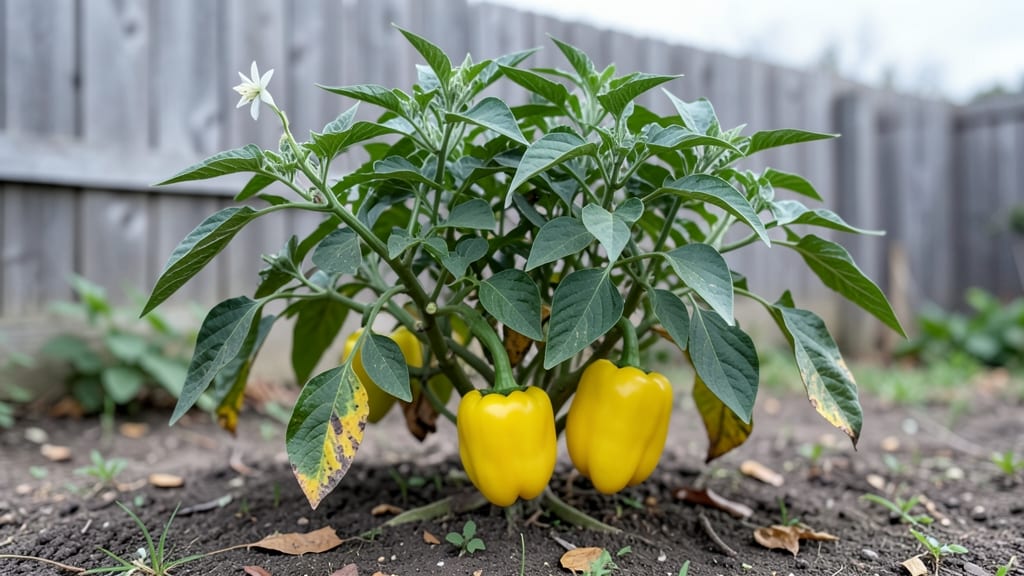
Growing yellow pepper seeds indoors requires a layered chill method that jumpstarts germination and produces bold, vibrant blooms all season. 🌱 I’ve tested this technique with heirloom varieties like ‘Golden Calwonder’ and ‘Lemon Drop,’ and the results—plants that mature 3-4 weeks earlier than store-bought seedlings—speak for themselves.
The secret lies in mimicking natural temperature swings: start seeds at 75°F for warmth, then move them to 50-55°F for 10-14 days to break dormancy. This trick works especially well for yellow varieties, which often need a little extra coaxing to thrive.
You’ll need basic supplies—a seed tray, grow lights or a sunny windowsill, and a way to control temperatures—but the payoff is worth it.
By the time you transplant outdoors, your seedlings will be stocky and ready to handle heat, yielding sweeter, more prolific fruit than typical pepper plants. The first harvests arrive in 70-80 days, and the vibrant yellow fruits add a stunning pop to any garden or kitchen.
Here’s how to get started without common pitfalls.
This method adapts to both short-season climates and extended growing areas, though yellow peppers prefer full sun (6+ hours daily) and well-draining soil. Whether you’re a first-time grower or expanding your pepper collection, the layered chill approach ensures stronger starts and bigger harvests.
Root Causes Of Poor Germination
Understanding why your yellow pepper seeds struggle to sprout—or fail entirely—starts with identifying the hidden factors sabotaging their growth. Below, we break down the most common culprits, explained with science-backed clarity so you can take action.
Seeds need consistent moisture to activate enzymes that break down stored nutrients, kickstarting germination. If the soil is too dry, the seed’s metabolic processes stall—sometimes permanently.
- The Science: Seeds absorb water through their micropyle (a tiny pore), triggering imbibition—the swelling of cells as water rushes in.
Without enough moisture, the seed remains dormant. - Actionable Fix: - Keep soil evenly damp (not soggy) with a sprouting mat or seedling heat mat to maintain warmth and humidity. - Use a fine mist spray bottle to avoid displacing seeds while watering. - Test your soil: Press your finger ½ inch deep—if it feels dry, water immediately.
Yellow pepper seeds thrive in warmth, ideally between 75–90°F (24–32°C). Cold soil slows enzymatic activity, while extreme heat can denature proteins critical for growth.
- The Science: Germination relies on optimal enzyme activity, which peaks at warm temperatures.
Below 60°F (15°C), seeds may rot before sprouting. - Actionable Fix: - Use a seedling heat mat if your home runs cool. - Place trays near a sunny window (south-facing) or under grow lights. - Avoid drafts—cold air from AC or open windows can shock seeds.
Seeds need aeration and nutrient-rich soil to develop roots. Compacted or sterile soil suffocates seeds, while poor drainage leads to anaerobic conditions (lack of oxygen), causing rot.
- The Science: Roots require oxygen for cellular respiration.
Compacted soil creates hypoxic zones, where seeds suffocate instead of sprouting. - Actionable Fix: - Use a lightweight, sterile seed-starting mix (avoid garden soil, which may contain pathogens). - Fluff the soil gently with a fork before planting—never pack it down. - Add perlite or vermiculite (20%) to improve drainage and aeration.
Seeds contain limited energy reserves (cotyledons). Planting too deep forces them to use up energy breaking through dense soil, leaving little for root and shoot growth.
- The Science: Most pepper seeds should be planted ½ inch deep—any deeper, and they may exhaust their food supply before reaching light.
- Actionable Fix:
- Follow the "seed size rule": Plant seeds 2–3 times their width below the surface.
- Use finger-deep furrows for precision (pepper seeds are tiny!).
- Top with a thin layer of vermiculite to mark planting depth without burying them.
Fungi like Pythium or Fusarium thrive in overly wet, cool conditions, attacking seeds before they sprout. Even healthy seeds can succumb if hygiene is poor.
- The Science: Pathogens release enzymes that break down seed coatings, preventing germination.
Symptoms include soft, mushy seeds or mold growth. - Actionable Fix: - Sterilize tools with rubbing alcohol before handling seeds. - Use fungicide-treated soil or add 1 part cinnamon to soil (natural antifungal). - Avoid overwatering—let the top inch dry between waterings.
While seeds germinate below soil, they need light to trigger photomorphogenesis—the process that shifts growth from underground (roots) to above-ground (shoots).
- The Science: Some seeds require light to break dormancy (a trait called photoblasticity).
Even if planted correctly, darkness can delay or prevent sprouting. - Actionable Fix: - Cover trays with plastic wrap (remove after sprouting) to retain moisture and allow indirect light. - Place seeds near a bright window or under LED grow lights (12–16 hours/day). - Rotate trays daily for even light exposure.
Even high-quality seeds lose viability over time. Pepper seeds typically stay viable for 1–2 years, but humidity and storage conditions accelerate degradation.
- The Science: Seeds contain RNA and proteins that degrade over time, reducing germination rates. Moisture and heat speed up this process.
- Actionable Fix:
- Test old seeds: Float them in water—sinkers are viable, floaters are not.
- Store seeds in a cool, dry place (below 40°F/4°C) in an airtight container.
- Buy fresh seeds (packaged within the last year) for best results.
Hard water (high in calcium and magnesium) or chemical fertilizers can alter soil pH or create osmotic stress, preventing water uptake.
- The Science: Excess salts in hard water draw moisture out of seeds via osmosis, dehydrating them before germination.
- Actionable Fix:
- Use filtered or distilled water for watering.
- Flush soil with rainwater if hard water is your only option.
- Avoid fertilizing until after sprouting—wait until true leaves appear.
Most germination failures stem from preventable issues—moisture, temperature, soil quality, or light. By addressing these one at a time, you’ll see dramatic improvements in sprout rates. Start with the basics: warmth, moisture, and a sterile environment.
Once those are locked in, fine-tune with light and soil amendments. 🚀
Fixing Common Pepper Seed Growing Issues
Growing vibrant yellow peppers from seeds can be incredibly rewarding, but even the most experienced gardeners face challenges. Below are practical, step-by-step solutions to the most common issues—from germination problems to poor bloom development—along with prevention tips to keep your plants thriving.
If your yellow pepper seeds aren’t sprouting on time, the issue might be related to moisture, temperature, or seed viability.
🔥 Cause: Seeds Aren’t Moist Enough
Fix:
- Soak seeds overnight in warm water before planting to kickstart hydration.
- Use a seedling heating mat (70–85°F) to maintain consistent warmth—peppers need heat to germinate!
- Mist the soil daily (not soaking) to keep it damp but not soggy.
Prevention: ✔ Test seed viability by floating seeds in water—sinkers are good, floaters may be old. ✔ Use sterile, well-draining soil (50% peat moss, 50% perlite) to prevent mold.
If your seedlings stretch tall and weak or develop yellow stems, they’re likely etiolated (stretched from lack of light) or overcrowded.
💡 Cause: Insufficient Light
Fix:
- Move seedlings within 2–3 inches of grow lights (14–16 hours/day).
- Rotate trays daily for even growth.
- If using natural light, place near a south-facing window or supplement with a full-spectrum LED bulb.
Prevention: ✔ Start seeds indoors 8–10 weeks before last frost (yellow peppers need time to mature). ✔ Thin seedlings to 2–3 inches apart once true leaves appear.
Yellow peppers rely on strong, healthy blooms for fruit production. If flowers aren’t forming or drop off, it’s often due to nutrient imbalances, stress, or environmental factors.
🍅 Cause: Overwatering or Poor Drainage
Fix:
- Let the top 1–2 inches of soil dry out between waterings.
- Use well-draining pots (with drainage holes) or raised beds.
- Flush soil monthly with water to prevent salt buildup from fertilizers.
🌡️ Cause: Temperature or Humidity Swings
Fix:
- Keep daytime temps 70–85°F and nights above 60°F—peppers are sensitive to cold.
- Mist plants early morning (not evening) to boost humidity without fungal risks.
- Avoid drafts (AC vents, open windows) that can shock plants.
💪 Cause: Nutrient Deficiency (Especially Phosphorus & Calcium)
Fix:
- Fertilize at flowering with a balanced 10-10-10 or 5-10-10 formula (high phosphorus).
- Add crushed eggshells (for calcium) to prevent blossom-end rot.
- Avoid high-nitrogen fertilizers (like lawn fertilizer)—they promote leaves, not flowers.
Prevention: ✔ Pollinate by hand if bees are scarce—gently shake plants or use a small brush. ✔ Prune suckers (side shoots) to direct energy to fruit production.
Pests and diseases can stunt growth, wilt leaves, or ruin blooms before they develop into peppers.
🐜 Cause: Aphids or Spider Mites
Fix:
- Spray with neem oil (mix 1 tsp neem oil + 1 tsp mild soap + 1 quart water).
- Introduce beneficial insects (ladybugs or lacewings) for natural control.
- Blast off pests with a strong water spray (early morning).
Prevention: ✔ Inspect plants weekly—catch infestations early! ✔ Use reflective mulch (aluminum foil) to deter pests.
🍄 Cause: Powdery Mildew (White Fuzzy Coating)
Fix:
- Remove infected leaves immediately.
- Apply baking soda spray (1 tsp baking soda + 1 quart water + a drop of soap).
- Improve airflow by spacing plants 18–24 inches apart.
Prevention: ✔ Water at the base (avoid wetting leaves). ✔ Avoid overhead irrigation—use drip systems instead.
If your yellow peppers are taking forever to ripen, it’s usually due to cool temps, lack of sunlight, or overcrowding.
☀️ Cause: Insufficient Sunlight
Fix:
- Move plants to the sunniest spot (6+ hours of direct sun daily).
- Use a cold frame or row cover to extend the growing season in cool climates.
- Harvest green peppers early if frost threatens—they’ll ripen indoors!
Prevention: ✔ Choose fast-maturing varieties (like ‘Lunchbox’ or ‘Lemon Drop’) for shorter seasons. ✔ Plant in black plastic mulch to warm the soil and speed up growth.
Final Pro Tip: 🌟 Keep a gardening journal! Track watering, fertilizing, and pest issues so you can adjust next season for bigger, brighter yellow peppers. Happy growing! 🌶️✨
Frequently asked questions about yellow pepper seeds
How long do yellow pepper seeds stay viable?
Yellow pepper seeds typically remain viable for 1-2 years when stored properly in a cool, dry place (below 40°F/4°C). For best results, use seeds from the current or previous year's harvest. Test old seeds by floating them in water—sinkers are viable, while floaters should be discarded.
Can I save seeds from store-bought yellow peppers?
Store-bought yellow peppers are often hybrid varieties, meaning their seeds won't produce true-to-type plants. For consistent results, purchase heirloom or open-pollinated seeds from reputable seed companies. If you want to save seeds, grow certified organic yellow peppers and let them fully ripen on the plant.
Why are my yellow pepper seedlings stretching toward the light?
This is called etiolation, caused by insufficient light. Move seedlings within 2-3 inches of grow lights (14-16 hours/day) or place them near a south-facing window. Rotate trays daily for even growth. Use full-spectrum LED bulbs if natural light is limited.
Do yellow peppers need special care compared to other pepper varieties?
Yellow peppers thrive in the same conditions as other peppers but may need slightly more warmth (75-90°F) and consistent moisture. They're more prone to blossom-end rot, so add crushed eggshells to soil for extra calcium. Their vibrant color fades when exposed to cold, so protect plants from temperature drops.
How can I test if my yellow pepper seeds are still good?
Fill a glass with water and drop your seeds inside. After 15 minutes, remove any that float—they're likely non-viable. Sinkers should be planted immediately. For a more thorough test, place seeds between damp paper towels in a warm (75°F) location and check for sprouts in 3-5 days.