
How To
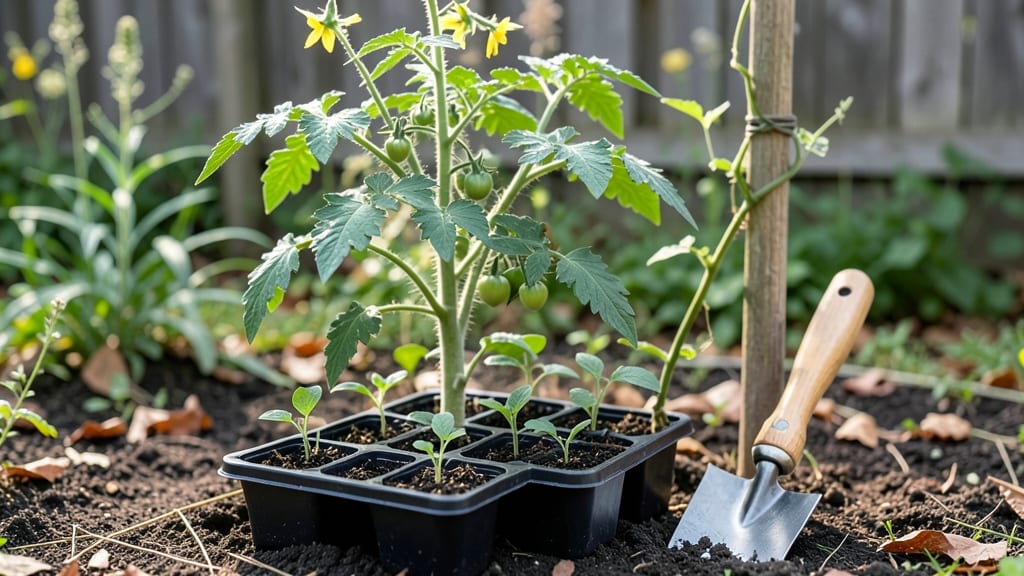
Planting tomato seeds at the right depth is the secret to fast germination and healthy seedlings 🍅 — and most gardeners get it wrong.
Too shallow, and your seeds dry out before sprouting; too deep, and they suffocate underground. The science says ¼-inch is the sweet spot for most varieties, but soil type, seed size, and climate can shift that number. Here’s how to nail it every time for stronger, faster starts.
In Zone 6a, where spring soil lingers cool, a slight adjustment can mean the difference between a thriving garden and a sad tray of seeds. We’ll break down the exact measurements, the tools you’ll need, and why this one detail makes all the difference in your harvest.
Skip the guesswork and learn the proven method for planting tomato seeds—whether you’re starting indoors in March or direct-sowing in May. Your future plants will thank you.
Optimal tomato seed depth by seed type: exact inches for best results
Getting your tomato seed depth right is the difference between robust seedlings and wasted efforts. Most gardeners swear by the 1/4-inch rule, but the truth is more nuanced. Seed size, soil type, and even your local climate can shift that perfect number.
Let’s break down the science so you can plant with confidence—whether you’re starting seeds indoors or direct-sowing in your garden.
The 1/4-inch depth (about the width of a dime) is the gold standard for most tomato seeds because it balances two critical needs: moisture access and light exposure.
Seeds planted too shallow dry out before germinating, while those buried too deep struggle to reach the surface, often rotting in the damp soil. But not all seeds are created equal.
Here’s the key: smaller seeds (like cherry tomato varieties) need less coverage—just 1/8-inch—while larger heirloom seeds can handle up to 1/2-inch if your soil drains poorly. The goal is to keep seeds in a moist, dark environment until they sprout, then expose them to light for photosynthesis.
Soil type plays a huge role too. Sandy soil, which dries out fast, demands shallower planting (1/8-inch) to prevent seeds from drying prematurely. Clay soil, on the other hand, stays damp longer, so you can plant slightly deeper (3/8-inch) without risking rot.
Always loosen the soil before planting to improve aeration and root penetration.
Now, let’s talk about transplants vs. seeds. If you’re starting with seedlings (not seeds), the depth rule changes. Bury them deeper than their current soil line—up to the first set of true leaves—to encourage stronger root systems.
This is called buried-stem planting, and it’s a pro trick for healthier plants.
Here’s a quick cheat sheet to remember: small seeds = shallow depth, large seeds = deeper depth, and always adjust for your soil’s moisture retention. Overwatering after planting can also wash seeds too deep, so water gently with a spray bottle or fine mist.
🌱
| Seed Type | Recommended Depth | Soil Adjustments | Notes |
|---|---|---|---|
| Cherry Tomato Seeds (small) | 1/8-inch | Sandy soil: 1/16-inch | Fast germination; avoid overwatering |
| Standard Tomato Seeds (medium) | 1/4-inch | Clay soil: 3/8-inch | Most common depth; use for heirlooms |
| Large Heirloom Seeds | 1/2-inch | Loamy soil: 1/4-inch | Slower to germinate; keep moist |
| Tomato Transplants | Up to first true leaves | N/A | Encourages deeper root growth |
Temperature matters just as much as depth. Tomato seeds germinate best in soil that’s at least 70°F. If your spring soil is cooler, use a seedling heat mat or start seeds indoors under grow lights.
Cold soil slows germination and can lead to damping-off disease, where seedlings rot at the base.
Pro tip: If you’re direct-sowing in cooler climates, plant seeds in biodegradable pots or peat pellets. This lets you transplant seedlings later without disturbing their roots.
Fill the pots with moist soil, plant seeds at the ideal depth, and place them in a sunny spot until they’re ready to move outdoors.
One of the biggest mistakes I see is packing soil too firmly around seeds. Loosen the soil with your fingers or a small stick to create air pockets.
Compacted soil suffocates roots and traps moisture, leading to rot. Aim for soil that’s light and fluffy—like a sponge—so roots can spread easily.
🌿
Finally, don’t forget to label your seeds with the planting date and variety. This helps track germination times and adjust care as needed. Most tomato seeds sprout in 7–14 days, but some heirlooms can take up to 3 weeks.
If you don’t see sprouts after 2 weeks, gently check for signs of rot or pests.
With the right tomato seed depth, you’re setting your plants up for a lifetime of strong growth. Master this step, and you’ll be well on your way to a bountiful harvest—no guesswork required. Happy planting!
☀️
Common mistakes that kill tomato seeds (and how to avoid them)
Even with the perfect tomato seed depth, many gardeners unknowingly sabotage their seeds with simple oversights. Overcrowding or poor soil contact can starve seedlings before they even sprout.
I’ve seen trays of seeds left to dry out because the soil surface cracked, or others drowned because water pooled around them. The key is balancing moisture, airflow, and depth—and knowing when you’ve gone wrong.
One of the most critical mistakes is planting seeds too shallow in hopes they’ll sprout faster. While sunlight is essential, seeds need darkness and consistent moisture to germinate. A seed planted just 1/8-inch deep may dry out before sprouting, while one buried 1/2-inch too deep risks rotting from trapped moisture.
The ideal depth is a delicate balance, and small errors can mean the difference between a thriving seedling and a failed batch.
⚠️ Tomato Seed Depth Danger Zone
Too shallow (1/16-inch): Seeds dry out, crack, or get washed away. Signs: Empty seed shells, no sprouts after 10 days, or seeds floating in water.
Too deep (1/2-inch): Seeds suffocate, rot, or fail to reach light. Signs: Moldy soil, blackened seeds, or seedlings stretching weakly toward light ("leggy" growth).
Fix: Replant shallow seeds 1/4-inch deep in moist soil. For over-deep seeds, gently loosen soil and cover with 1/8-inch of fresh soil.
Another silent killer is soil compaction around seeds. When you press seeds into place or pack soil too firmly, you create air pockets that prevent roots from anchoring. I once compacted soil while planting cherry tomato seeds and ended up with only 30% germination—the rest stayed dormant.
To avoid this, use a soft, fluffy soil mix (like 60% peat moss and 40% perlite) and gently press seeds in with your fingertip, not a trowel.
Moisture management is equally critical. While seeds need constant dampness to germinate, standing water can suffocate them. I’ve seen trays develop fungal molds because water pooled at the bottom. Use a spray bottle for gentle watering and ensure trays have drainage holes.
If your seeds are planted in clay-heavy soil, mix in compost or coconut coir to improve aeration and prevent waterlogging.
Finally, temperature fluctuations can undo even the perfect planting depth. Tomato seeds germinate best in 70–85°F soil, but if your tray sits near a cold window or drafty spot, germination slows or stops.
Use a seedling heat mat ($15–$25) to maintain warmth, or place trays on top of your fridge (not inside—it’s too cold!). If your seeds take longer than 14 days to sprout, check the soil temperature with a thermometer—it’s likely too cool.
Here’s a quick troubleshooting checklist if your seeds aren’t sprouting: ☑️ No sprouts after 10 days? Check depth—replant at 1/4-inch. ☑️ Seeds rotting? Reduce watering and improve drainage. ☑️ Soil too hard? Loosen gently with a fork or add compost. ☑️ Slow germination? Warm the soil with a heat mat or move to a sunnier spot.
With these fixes, you’ll avoid the most common pitfalls and give your tomato seeds the best shot at success. 🌱