
Vegetables
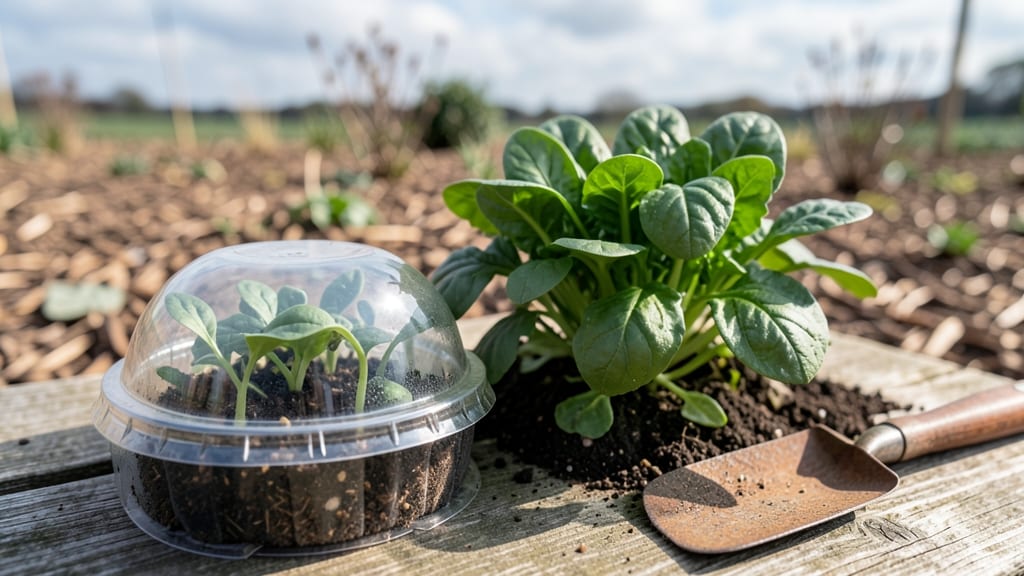
Mastering spinach seedling identification early saves you from pulling up weeds by mistake—and I’ve done it more times than I’d like to admit. 🌱 The key is those first true leaves: spinach seedlings start with smooth, rounded cotyledons, then develop deep green, arrowhead-shaped leaves that are slightly crinkled at the edges.
Weeds like purslane have plump, succulent stems or tiny yellow flowers, while lambsquarters show a milky sap when broken.
Light and soil affect how fast they grow, so check your seed packet for days to germination. True spinach leaves appear within 7-14 days of sprouting, but if your seedlings look pale or stretched, they’re probably reaching for more light.
A quick fix is moving them to a brighter spot or adding a grow light—no fancy equipment needed.
By the time they’re 2-3 inches tall, you’ll spot the classic spinach shape: broad, slightly puckered leaves arranged in a rosette. If you’re still unsure, pinch one leaf gently—spinach feels tender, while weeds often have tougher stems or fuzzy textures.
Confidence grows with practice, and soon you’ll spot them before they’re big enough to confuse.
This works for both outdoor beds and container setups, so whether you’re starting seeds in a flat or direct-sowing in cool weather, these clues keep your spinach thriving. Let’s get those seedlings identified—and growing!
What Triggers Misidentification Issues
Misidentifying spinach seedlings can turn your garden dreams into a guessing game—especially when seedlings look eerily similar to weeds or other plants. Understanding the root causes helps you spot the problem early and take corrective action. Here’s why confusion happens, broken down by the most common culprits:
Spinach seedlings go through distinct stages, but their early leaves can resemble other greens or weeds if you’re not familiar with their progression.
- True leaves vs. cotyledons: The first leaves (cotyledons) are simple and rounded, while true spinach leaves are deeply lobed or serrated.
Many gardeners mistake cotyledons for mature leaves, especially in hybrid varieties like ‘Baby’s Leaf Hybrid’, which can have smoother edges early on. - Slow emergence: If seedlings take longer to sprout (due to cold soil or poor seed quality), their true leaves may appear later, making them harder to distinguish from weeds like purslane or lamb’s quarters. - Actionable fix: Compare seedlings to a spinach leaf identification chart (like the one from University of Minnesota Extension) and note the vein pattern—spinach leaves have prominent, forked veins.
Some weeds mimic spinach’s delicate, rounded cotyledons, leading to accidental culling of your seedlings.
- Common impostors:
- Chickweed (small, oval leaves with smooth edges).
- Henbit (hairy stems, but early leaves can look spinach-like).
- Wild mustard (first leaves are lobed but less jagged than spinach).
- Why it’s tricky: Weeds often sprout faster than spinach in warm conditions, giving them a head start in your garden beds.
- Actionable fix: Pull weeds when soil is damp (they uproot easier) and check for root structure—spinach taproots are thin and white, while weeds like purslane have fibrous roots.
Extreme or inconsistent growing conditions can stunt spinach seedlings, making them harder to identify.
- Cold shock: Spinach thrives at 50–70°F (10–21°C).
Below 40°F (4°C), seedlings grow slowly, and leaves may stay small and less lobed, resembling Swiss chard or beet greens. - Overcrowding: If seedlings are planted too close, they compete for light, producing yellowish, underdeveloped leaves that look weak or diseased. - Actionable fix: - Use row covers to protect seedlings from frost. - Thin seedlings to 4–6 inches apart to prevent shading. - Supplement with grow lights if natural light is insufficient.
Not all spinach seeds are created equal—and some varieties are designed to look different from the classic "savoyed" type.
- Hybrid vs. heirloom: Modern hybrids like ‘Tyee’ or ‘Space’ often have smoother, less crinkled leaves, which can fool gardeners expecting the classic ‘Bloomsdale Long Standing’ type.
- Old or stored seeds: Seeds older than 1 year may germinate poorly or produce irregular seedlings, making identification harder.
- Actionable fix:
- Buy seeds from reputable suppliers (e.g., Johnny’s Selected Seeds, Baker Creek).
- Label trays with variety names and expected leaf shapes.
- Test a few seeds in a seedling flat before full planting to confirm germination.
Chewing insects or fungal infections can alter leaf shape, making seedlings unrecognizable.
- Common culprits:
- Flea beetles (tiny holes in leaves).
- Aphids (curl and distort young leaves).
- Downy mildew (yellow patches on undersides, common in humid climates).
- Why it’s dangerous: Damaged leaves may resemble spinach varieties with natural imperfections, like ‘Giant Winter’, which has slightly wavy edges.
- Actionable fix:
- Use row covers to block pests early.
- Spray seedlings with neem oil (1 tsp per quart of water) if aphids appear.
- Remove infected plants immediately to prevent spread.
Fixing Common Spinach Seedling Issues
Now that you’ve identified what’s going wrong with your spinach seedlings, let’s tackle the solutions—step by step—so you can get back to a thriving, leafy green garden. Below, we’ve mapped out the most common problems and their fixes, plus prevention tips to keep your seedlings strong.
Cause: Too many seedlings competing for sunlight, water, and nutrients. Fix:
- 🔪 Thin Them Out: Use clean scissors or your fingers to snip or gently pull excess seedlings, leaving only the healthiest 2–3 inches apart (or follow spacing guidelines for your variety).
- 🌱 Repot if Needed: If seedlings are root-bound, transplant the strongest ones into larger containers or directly into the garden with 12–18 inches between plants for mature growth.
- 💡 Pro Tip: Save thinned seedlings for cooking (they’re edible!) or replant in a shady spot as microgreens.
Prevent It:
- Start with fewer seeds per pot (6–8 max) or use seedling trays with individual cells.
- Hardening off seedlings before transplanting reduces shock and competition stress.
Cause: Insufficient light or overwatering, leading to weak stems. Fix:
- ☀️ Move to Brighter Light: Place seedlings under grow lights (12–16 hours/day) or in a south-facing window. Avoid drafty areas.
- 💧 Adjust Watering: Let the top inch of soil dry out between waterings—overwatering causes rot and weak stems. Use a spray bottle for gentle moisture.
- 🌡️ Boost Humidity: If air is dry, cover seedlings with a humidity dome or mist leaves lightly in the morning.
Prevent It:
- Use reflective surfaces (like aluminum foil) under trays to maximize light.
- Pre-sprout seeds in damp paper towels under indirect light before transplanting to avoid legginess.
Cause: Lack of nutrients (often nitrogen), fungal issues, or pests like aphids. Fix:
- 📊 Check the Soil:
- Nitrogen deficiency? Feed with a balanced fertilizer (10-10-10) or compost tea.
- Magnesium deficiency? Sprinkle Epsom salt (1 tbsp per gallon of water) every 2 weeks.
- 🧼 Treat Fungal Issues: Spray with neem oil or a baking soda solution (1 tsp baking soda + 1 quart water + a drop of dish soap).
- 🐜 Combat Pests: Blast aphids off with water or introduce ladybugs for natural control.
Prevent It:
- Rotate crops to prevent soil depletion.
- Sterilize tools and containers between uses to avoid fungal spread.
- Interplant with herbs (like basil or dill) to repel pests naturally.
Cause: Too much water, poor drainage, or extreme heat stress. Fix:
- 💧 Drainage First: Ensure pots have drainage holes and use a well-draining mix (50% potting soil, 30% perlite, 20% compost).
- 🌡️ Adjust Temperature: Move seedlings to a cool, shaded area (ideal: 60–70°F). Avoid placing near heaters or direct sunlight.
- 🔄 Revive Root Rot: If roots are mushy, trim the blackened parts, repot in fresh soil, and reduce watering.
Prevent It:
- Water at the base (not overhead) to avoid fungal growth.
- Use a moisture meter to check soil dampness before watering.
- Mulch around seedlings to regulate soil temperature.
Cause: Cold soil, old seeds, or improper planting depth. Fix:
- 🔥 Warm the Soil: Place trays on a seedling heat mat (70–75°F) or in a sunny windowsill.
- 🌱 Check Seed Viability: If seeds are older than 1 year, test a few in a damp paper towel—discard if they don’t sprout in 7–10 days.
- 👨🍳 Plant Correctly: Press seeds ¼ inch deep in moist soil and keep consistently damp (not soggy).
Prevent It:
- Store seeds in a cool, dry place (like the fridge) to extend their shelf life.
- Soak seeds overnight in water before planting for faster germination.
Keep these quick fixes handy for a healthy spinach patch:
- Light: 6+ hours of sunlight daily (supplement with grow lights if needed).
- Water: Bottom-watering (place tray in water for 10 mins) to encourage deep roots.
- Airflow: Gently fan seedlings daily to strengthen stems (prevents damping-off disease).
- Soil: Use light, fertile soil (avoid garden soil—it’s too dense).
Remember: Spinach is fast-growing (30–60 days to harvest), so don’t stress if you hit a snag—adjust and adapt! With these fixes, your seedlings will be strong, vibrant, and ready for the table in no time. 🥬✨
Frequently asked questions
How do I tell the difference between spinach seedlings and weeds?
Look for the classic arrowhead-shaped leaves with slightly crinkled edges—this is the key spinach trait. Weeds like purslane have plump stems and tiny yellow flowers, while lambsquarters show a milky sap when broken. Check the roots too: spinach has a thin white taproot, while weeds often have fibrous roots.
Why do my spinach seedlings look pale or stretched?
This is usually a sign of light deprivation—spinach seedlings need at least 6 hours of sunlight daily. Move them to a brighter spot or use a grow light for 12-16 hours/day. If they’re already leggy, trim the stems just above a leaf node and replant deeper to encourage new growth.
Can I identify spinach seedlings before true leaves appear?
Yes! The first leaves (cotyledons) are simple and rounded, but true spinach leaves develop within 7-14 days and have deep lobes or serrations. Compare your seedlings to a leaf identification chart—spinach cotyledons are smooth and deep green, while weeds often have hairy stems or different shapes early on.
What should I do if I accidentally pulled my spinach seedlings?
Don’t panic! If you’ve removed weeds by mistake, replant your spinach seedlings immediately in moist soil and keep them in a shady, humid spot for 24 hours to recover. Water gently at the base and avoid overhead spraying to prevent fungal issues. Most seedlings bounce back quickly with proper care.
How do hybrid spinach varieties differ in appearance from heirlooms?
Hybrids like ‘Tyee’ or ‘Space’ often have smoother, less crinkled leaves compared to heirlooms like ‘Bloomsdale’, which are deeply savoyed. Check your seed packet for variety descriptions—hybrids may also grow faster or have different leaf shapes, but they’re still identifiable by their arrowhead leaf pattern.