Flowers
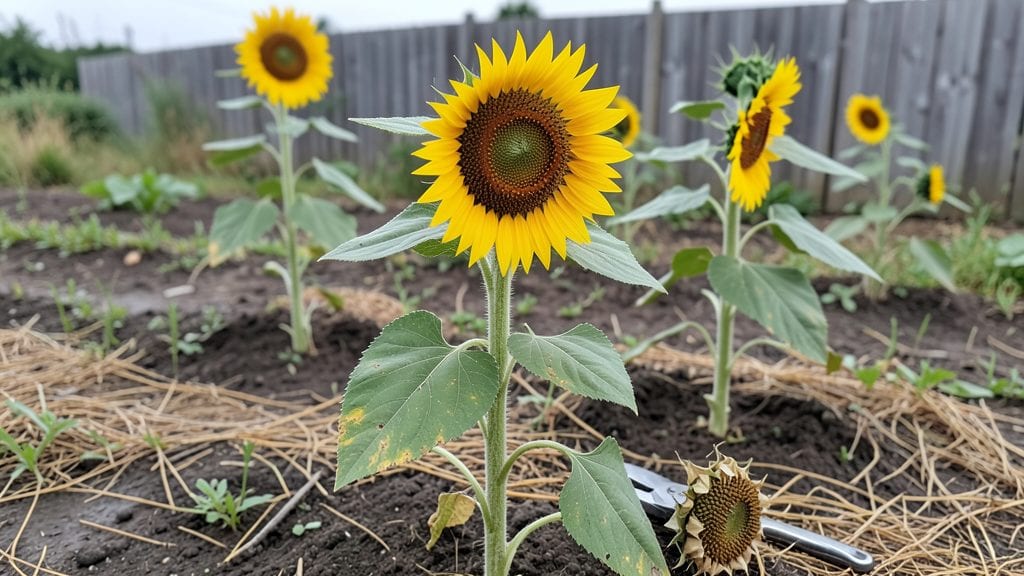
Growing sunflower seeds for cut flowers means stunning bouquets that last weeks—not days—with stems strong enough to hold their own weight. I’ve grown sunflowers for over a decade, and the key to long-lasting blooms lies in choosing the right varieties and giving them the perfect start.
The secret isn’t complicated: it’s about timing, spacing, and a little extra care during those first few weeks.
Start with varieties like ‘Moulin Rouge’ for dramatic, deep-red blooms or ‘Russian Giant’ for towering stems that reach 12 feet tall. Plant seeds just 1 inch deep in well-draining soil, spacing them 6 inches apart in rows 2 feet apart.
Sunflowers thrive in full sun (6+ hours daily) and need consistent watering—about 1 inch per week—to keep stems sturdy and blooms vibrant. Most beginners overwater, so let the soil dry slightly between waterings.
By midsummer, you’ll be harvesting sunflowers with stems so thick they barely wilt, even after a week in a vase. The blooms stay fresh longer when you cut them early in the morning and recut stems every few days.
Plus, the seeds double as bird feed—nature’s bonus. This method works in gardens, containers, or even large pots, making it adaptable for any space.
Troubleshooting floppy stems? Add a bamboo stake at planting time. See aphids? A strong spray of water usually knocks them off. The payoff is bouquets that outshine store-bought flowers, and the process is simpler than you’d think.
Ready to grow sunflowers that turn heads—and last longer than any grocery store bouquet?
📚 In This Guide
- What you need
- Instructions
- Tips and common mistakes
- Wrapping up and next steps
What you need
- ● Sunflower seeds: Choose Helianthus annuus varieties like ‘Moulin Rouge’ or ‘Russian Giant’ (10–20 seeds per plant, depending on desired size). Pro tip: Opt for open-pollinated seeds for consistent blooms!
- ● Well-draining potting mix: 1–2 gallons per seedling (sterile, seed-starting mix or a blend of 60% peat moss, 30% perlite, and 10% compost).
- ● Containers: Biodegradable pots (3–4 inches deep) or seed trays with drainage holes (1–2 per seed).
- ● Grow lights or sunny windowsill: 12–16 hours of light daily (LED grow lights work well for indoor starts).
- ● Watering can or spray bottle: With a fine rose attachment to avoid disturbing seeds.
- ● Fertilizer: Balanced liquid fertilizer (5-5-5 or 10-10-10, diluted to half-strength) for transplanting.
- ● Garden soil or raised bed: Loose, nutrient-rich soil amended with compost (pH 6.0–7.0).
- ● Stakes or cages: 3–5 foot tall (for tall varieties like ‘Russian Giant’).
- ● Pruning shears: Sharp, clean pair for harvesting.
- ● Heat mat: For faster germination (70–75°F).
- ● Seedling heating pad: Keeps soil warm and cozy.
- ● Mycorrhizal fungi: Boosts root health when transplanting.
- ● Floral preservative: Like Floralife for extending vase life.
- ● Decorative vases or buckets: For rustic-chic arrangements!
Step-by-Step instructions for growing sunflowers as cut flowers
Here's the straightforward method I use to grow sunflowers that last for weeks in vases.
Choose the Right Variety and Plant at the Correct Time
Select a cut-flower variety like 'Moulin Rouge' or 'Russian Giant'—these grow tall with sturdy stems perfect for bouquets. Plant seeds 4-6 weeks before your last frost date when soil reaches at least 55°F. Cold soil slows germination, so wait for warmth to ensure strong starts.
Sunflowers thrive in full sun, so pick a location that gets at least 6-8 hours of direct sunlight daily. If your yard has afternoon shade, choose a shorter variety like 'Teddy Bear' to avoid floppy stems. I always mark my planting spots with flags to remember where I've sown seeds.
Prepare the Soil and Plant Seeds Deeply
Loosen the soil to a depth of 12 inches with a garden fork or tiller to help roots penetrate easily. Mix in 2 cups of 10-10-10 fertilizer per 10 feet of row to give your sunflowers a nutrient boost right from the start. Avoid over-fertilizing—too much nitrogen makes stems weak and prone to falling over.
Plant seeds 1 inch deep and 6 inches apart in rows spaced 2 feet apart. Press the soil gently around each seed to ensure good contact, but don’t compact it. Water the area lightly after planting to settle the soil. You’ll see sprouts in 7-14 days, depending on soil warmth.
Thin Seedlings and Support Tall Varieties
Once seedlings reach 4-6 inches tall, thin them to 12-18 inches apart, leaving the strongest, straightest stems. Weak or leggy plants will never produce sturdy cut flowers. Use sharp scissors to snip unwanted seedlings at soil level—pulling can disturb nearby roots.
For tall varieties like 'Russian Giant', install stakes or cages at planting time. Drive a 5-foot stake into the ground 3 inches from each plant and loosely tie stems to it with soft twine as they grow. This prevents stems from bending under the weight of large blooms and ensures straight, vase-worthy stems.
Water Deeply and Deadhead for Longer Blooms
Water sunflowers deeply 1-2 times per week, soaking the soil to 12 inches down. Let the top 2 inches of soil dry out between waterings—consistent moisture prevents hollow stems, which shorten vase life. Early morning is the best time to water, as it reduces fungal risks from damp foliage.
When blooms fade, cut them off just above a set of leaves to encourage more flowers on the same stem. This keeps your plants productive longer. Harvest stems when 10-15% of the petals open—this ensures maximum vase life. Use clean, sharp pruners to make a diagonal cut about 6 inches from the base to promote water uptake.
Harvest and Condition Stems for Maximum Freshness
Cut stems at the base of the plant in the early morning when they’re fully hydrated. Immediately place them in a bucket of lukewarm water to prevent air bubbles from blocking the xylem. Strip lower leaves that will sit below the waterline in your vase—this reduces bacterial growth.
Once home, recut stems at a 45-degree angle under running water to remove any blocked vessels. Change the water every 2-3 days and trim stems again if they begin to wilt. With proper care, your sunflower bouquets will last 7-10 days—longer than most cut flowers.
Tips & tricks for perfect sunflower cut flowers
Here's what I've learned over years of growing sunflowers that stay fresh for weeks in vases—simple tricks that make all the difference.
Soil Temperature Matters: That 55°F soil temperature in Step 1 is non-negotiable for germination. I've planted in slightly cooler soil and waited weeks for sprouts. If your spring is unpredictable, use a soil thermometer or wait until nighttime temperatures stay above 50°F—this gives you the best chance for quick, even germination. Cold soil not only slows growth but can also make stems weak from the start.
Staking Strategy: For tall varieties like 'Russian Giant' in Step 3, I install stakes at planting time rather than waiting until plants are already leaning. The key is positioning the 5-foot stake 3 inches from the plant—this gives you enough room to tie stems without crowding. I use soft twine and make loose loops that won't cut into the stems as they grow. This prevents the classic "falling over" problem that ruins so many sunflower bouquets.
Watering Wisdom: The 1-2 times per week watering in Step 4 works perfectly when you soak deeply to 12 inches down. I've learned to check moisture by sticking my finger 2 inches down—if it feels dry, that's your cue to water. The early morning timing is crucial too; watering later in the day leaves foliage damp overnight, which invites fungal problems. For containers, I use self-watering pots to maintain consistent moisture without overwatering.
Harvesting Timing: Those 10-15% open petals in Step 4 are your sweet spot for maximum vase life. I look for the first few petals just starting to unfurl while most of the bloom is still closed. Harvesting at this stage gives you vibrant color that lasts longer than fully open blooms. And that diagonal cut 6 inches from the base isn't just about aesthetics—it creates a larger surface area for water uptake, which keeps stems hydrated longer in your vase.
Pro Tips for Sunflower Seeds For Cut Flowers
- Here's what I've learned over years of growing sunflowers that stay fresh for weeks in vases—simple tricks that make all the difference.
- Soil Temperature Matters: That 55°F soil temperature in Step 1 is non-negotiable for germination.
- Staking Strategy: For tall varieties like 'Russian Giant' in Step 3, I install stakes at planting time rather than waiting until plants are already leaning.
Frequently asked questions
Got questions about growing sunflowers for cut flowers? You’re not alone! Here are some of the most common queries—plus quick, practical answers to help you grow stunning, long-lasting blooms.
Can I use any sunflower variety for cut flowers?
Not all sunflowers are created equal! Opt for Helianthus annuus varieties like ‘Moulin Rouge’ or ‘Russian Giant’—they’re bred for height, sturdy stems, and vibrant blooms. Dwarf varieties (like ‘Teddy Bear’) work too, but their stems may be too short for standard vases. Always check the seed packet for "cut flower" recommendations!
How long does it take for sunflower seeds to grow into cut-ready blooms?
Patience pays off! From seed to full bloom, expect 8–12 weeks in warm climates (60–70°F) or 10–14 weeks in cooler zones. Start seeds indoors 4–6 weeks before your last frost for a head start. Pro tip: Use a heat mat if your soil is chilly—sunflowers love warmth!
Why are my sunflower stems weak or hollow when I try to cut them?
Weak stems usually mean overcrowding or nutrient deficiency. Space plants 12–24 inches apart (depending on variety) and side-dress with compost or a balanced fertilizer (10-10-10) when they’re 6 inches tall. Troubleshoot: If stems are hollow, harvest earlier—some varieties develop this as they mature.
How do I keep cut sunflowers fresh longer in a vase?
Sunflowers are thirsty! Trim stems at a 45-degree angle and place them in lukewarm water with a commercial flower food (or DIY mix: 1 tsp sugar + 2 drops bleach per quart). Change water every 2–3 days and recut stems to prevent bacterial buildup. Bonus: Remove lower leaves submerged in water to reduce rot.
What can I do if I don’t have space for a full sunflower garden?
No yard? No problem! Try container gardening—sunflowers thrive in 5-gallon buckets or large pots with drainage. For small spaces, choose compact varieties like ‘Autumn Beauty’ (3–4 feet tall). Urban hack: Grow them on balconies or rooftops with at least 6–8 hours of sunlight daily.
Wrapping up and next steps
Transforming sunflower seeds into stunning, long-lasting cut flowers is easier—and more rewarding—than you might think! With just a few simple steps and the right prep, you can enjoy vibrant blooms that brighten up any space.
Whether you're a seasoned gardener or just starting out, your creativity is the only limit—so grab those seeds and get growing!
🌻 Next step: Start with a small batch, experiment with varieties, and share your blooms with friends or your home decor. Happy gardening!