
Propagation
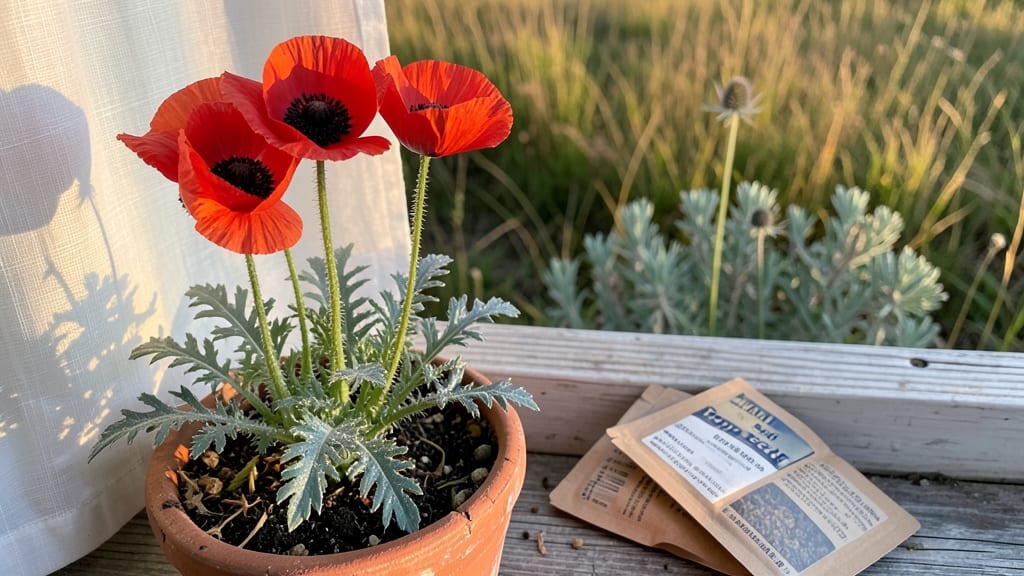
Annual poppy seeds deliver shockingly fast blooms—some varieties pop up in just 60 days from a cold start. I’ve watched these delicate, cup-shaped flowers transform bare soil into a sea of color, and the secret isn’t complicated: timing, patience, and a little frost.
These seeds need cold stratification to break dormancy, so planting them in fall or early spring gives them the head start they crave.
The payoff comes when those first papery petals unfurl, often by late spring or early summer, depending on your zone. You’ll need well-draining soil, full sun, and a spot where they can sprawl without competition.
Most gardeners overwater poppies, but they’re surprisingly drought-tolerant once established—just keep the soil moist until germination, then let nature take over.
By midseason, you’ll have a garden that looks like a painter’s palette, with blooms in every shade from pure white to deep burgundy. The trade-off? Poppies are annuals, so they’ll fade by summer’s end—but the show they put on in their short time is worth every minute of planning.
The key is to sow them early enough to beat the heat.
Works in borders, cottage gardens, or even containers, and they self-seed like crazy, so you’ll get freebies next year. Here’s how to make it happen without the guesswork—no black thumb required.
📚 In This Guide
- What you need
- Instructions
- Tips and common mistakes
- Wrapping up and next steps
What you need
- ● Annual poppy seeds – Choose Papaver somniferum or Papaver rhoeas varieties. Aim for 1–2 grams (about 50–100 seeds) for a small patch or 5–10 grams for a larger display.
- ● Seed-starting mix – A lightweight, well-draining potting soil blend (e.g., 50% peat moss, 30% perlite, 20% vermiculite). Avoid garden soil—it’s too dense!
- ● Shallow containers – Use seed trays (with drainage holes) or small pots (3–4 inches deep). A flat with cell packs works perfectly for precision.
- ● Grow lights or sunny windowsill – Poppies thrive in full sun (6+ hours/day). A LED grow light (12–16 hours/day) bridges gaps in low-light spaces.
- ● Misting spray bottle – Keeps seeds moist without overwatering. Avoid soaking—poppies hate soggy soil!
- ○ Fine-tip tweezers – For gently placing tiny seeds (optional but helpful!).
- ● Plastic wrap or humidity dome – Creates a mini greenhouse to retain moisture until germination (5–10 days).
- ● Fertilizer (low-nitrogen) – A balanced 10-10-10 or fish emulsion (diluted to half-strength) boosts growth after sprouting.
- ● Hardening-off tray – If transplanting outdoors, a mesh screen or shade cloth helps acclimate seedlings to wind/sun.
- ● Stakes or cages – Tall varieties (like Papaver orientale) may need bamboo stakes for support.
Instructions for growing annual poppy seeds: a 60-Day timeline
Here’s how to coax vibrant blooms from tiny seeds in just two months—no waiting through slow germination.
Prepare the Soil and Sow Seeds Early
Annual poppies thrive in poor soil, but they need excellent drainage. Amend your garden bed with 2 inches of coarse sand or perlite if your native soil is heavy or clay-based. Work it into the top 6 inches of soil to prevent waterlogging, which causes rot before seeds even sprout.
Sow seeds 8-10 weeks before your last frost date—this is critical for fast blooms. Scatter seeds ¼ inch deep and 1 inch apart in rows 12 inches apart. Lightly cover with soil and mist the area until damp, but avoid soaking. Poppy seeds germinate best in cool conditions, so don’t disturb the soil after planting.
Maintain Moisture Without Overwatering
Keep the soil consistently moist (not soggy) until germination, which typically occurs in 7-14 days. Once seedlings emerge, reduce watering to once a week unless your region experiences extreme heat. Poppies are drought-tolerant but grow best with 1 inch of water per week—too much moisture leads to leggy, weak stems.
Thin seedlings to 3-4 inches apart when they reach 2 inches tall. Use scissors to snip unwanted plants at soil level to avoid disturbing roots. This step ensures stronger blooms and prevents overcrowding, which slows growth and reduces flower production.
Provide Minimal Care for Fast Growth
Poppies require full sun (6-8 hours daily) but handle light shade in hot climates. They’re low-maintenance plants—no fertilizing is needed unless your soil is extremely poor. If you notice slow growth, apply a light layer of compost around the base in early spring, but avoid heavy feeding, which encourages foliage over flowers.
Watch for first true leaves (the second set after the initial cotyledons) as your signal to stop heavy watering. Once established, poppies store moisture in their roots and thrive on neglect. Mulch with 1 inch of straw to retain soil moisture and suppress weeds without smothering the delicate stems.
Enjoy Blooms in Under Two Months
Annual poppies bloom 60-70 days after sowing, depending on variety and climate. Deadhead spent flowers by pinching them off at the base to encourage more blooms and prevent self-seeding if you don’t want volunteers popping up next year.
Harvest flowers in the morning when petals are fully open for the longest vase life. Cut stems at a 45-degree angle just above a leaf node to promote bushier growth. With minimal effort, you’ll have a cottage-garden-worthy display in record time—no waiting through slow starts or finicky care.
Tips & tricks for growing annual poppy seeds
Fast blooms in 60 days start with these strategic adjustments to the natural growing cycle—no shortcuts, just smart timing and care.
Soil Preparation Secret: The 2 inches of coarse sand or perlite isn't just about drainage—it's about creating an oxygen-rich zone where poppy roots can establish quickly. I've found that mixing in a handful of vermiculite with the sand amplifies this effect, especially in clay-heavy soils. This prevents that dreaded pre-sprout rot that can derail your entire 60-day timeline before it begins.
Timing is Everything: Those 8-10 weeks before last frost aren't arbitrary—they align with poppy seeds' natural dormancy period. If you're in a mild climate where frost isn't a concern, aim for early spring sowing instead. The key is to plant when soil temperatures hover around 50-55°F; this cool window triggers consistent germination within the critical 7-14 day window mentioned in Step 2.
Thinning Technique: When you thin seedlings to 3-4 inches apart at 2 inches tall, resist the urge to pull—always snip at soil level with clean scissors. This prevents root disturbance that could set back your plants by precious days. I've seen gardeners accidentally uproot plants during thinning, which can delay flowering by up to 10 days in some cases.
Sunlight Strategy: While poppies tolerate light shade, they absolutely need those 6-8 hours of direct sun daily for maximum bloom production. If your garden gets less than 6 hours, consider growing them in containers where you can move them to sunnier spots. The difference in bloom quantity between full sun and partial shade can be dramatic—sometimes as much as 30-40% fewer flowers in shadier conditions.
Pro Tips for Annual Poppy Seeds
- Fast blooms in 60 days start with these strategic adjustments to the natural growing cycle—no shortcuts, just smart timing and care.
- Soil Preparation Secret: The 2 inches of coarse sand or perlite isn't just about drainage—it's about creating an oxygen-rich zone where poppy roots can establish quickly.
- Timing is Everything: Those 8-10 weeks before last frost aren't arbitrary—they align with poppy seeds' natural dormancy period.
Frequently asked questions
Got questions about growing annual poppy seeds?
Here are some of the most common ones—plus quick answers to help you avoid pitfalls and maximize those stunning blooms!
When is the best time to plant annual poppy seeds?
Annual poppies thrive in cool weather, so aim to sow seeds 4–6 weeks before your last frost date in spring. For a fall display, plant seeds in late summer (8–10 weeks before frost). Avoid planting when temps exceed 75°F (24°C), as they’ll bolt (go to seed) prematurely.
Why aren’t my poppy seeds germinating?
Poppy seeds need light to germinate—don’t bury them! Scatter them on bare soil and press lightly. They also prefer consistent moisture (not soggy) and cool temps (60–70°F / 15–21°C). If soil is too warm or dry, germination may stall. Try a shady spot until sprouts appear (usually 7–21 days).
Can I grow annual poppies in containers?
Use well-draining pots (at least 6 inches deep) with a mix of potting soil + perlite. Plant 3–5 seeds per pot and place in a sunny spot. Containers dry out faster, so water gently at soil level to avoid disturbing seeds. Dwarf varieties like ‘Flamingo Flowers’ work best for small spaces.
How do I prevent poppies from flopping over?
Poppies are self-supporting, but tall varieties (like ‘Black Bat’) may need stakes or a light trellis in windy areas. For a natural look, interplant with shorter flowers (e.g., snapdragons or lobelia) to provide support. Avoid over-fertilizing—poppies prefer lean soil and may flop if too lush.
What can I plant alongside annual poppies?
Poppies pair beautifully with low-growing companions like:
Avoid planting with heavy feeders (like tomatoes) or tall grasses, which can shade them out.
Wrapping up and next steps
Growing annual poppy seeds is a rewarding experience that brings vibrant color to your garden in just 60 days! With minimal effort and the right conditions, you’ll enjoy fast blooms and stunning results—perfect for adding a touch of whimsy to borders, containers, or wildflower meadows. 🌸
Ready to dive in? Start by gathering your supplies, then follow the simple steps to plant and care for your poppies. Your garden’s next masterpiece is just a seed away! Happy planting! 🌱