Transplanting
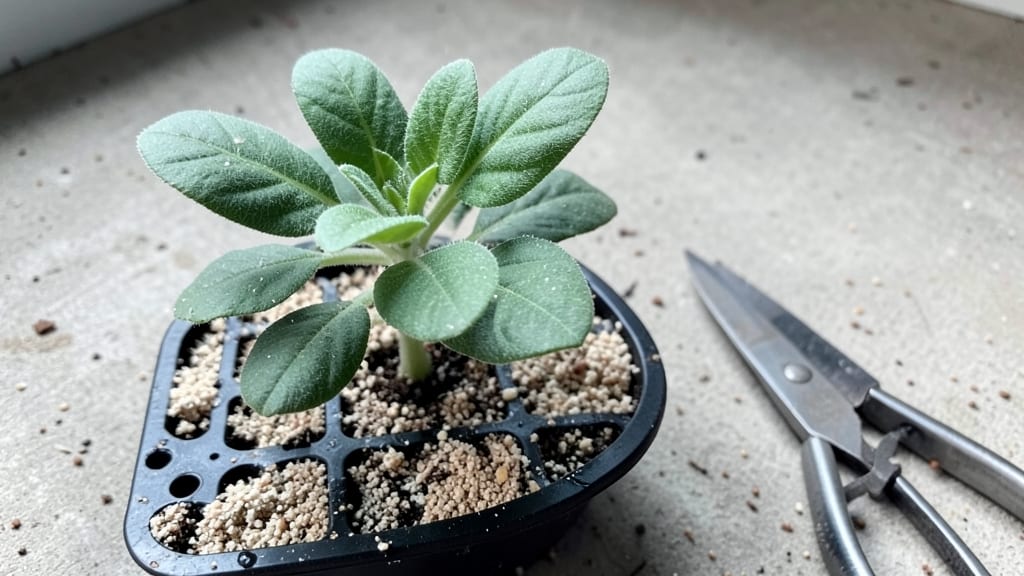
Growing 4 o'clock seedlings 🌸 into vibrant summer blooms starts with the right transplant timing and technique—most gardeners miss the window and end up with leggy, weak plants.
Transform your summer garden into a vibrant display of color with Four O'Clock Flowers—if you time their transplanting right. These hardy annuals thrive when moved at the perfect stage, but many gardeners struggle with the best techniques to ensure lush, blooming plants by summer.
In USDA Zone 6a, the ideal window is April to May after the last frost, when soil temperatures hit 60°F. A little extra care at this stage makes all the difference between thriving plants and wasted effort.
Below, I’ll walk you through the exact steps to transplant your seedlings—from hardening them off to spacing them for maximum bloom power.
Best time and method for transplanting 4 o'clock seedlings
Timing your 4 o'clock seedlings transplant correctly is the key to vibrant summer blooms. These plants thrive when moved outdoors after they've developed 4-6 true leaves and a sturdy root system, typically 6-8 weeks after sowing.
The goal is to transplant when soil temperatures reach at least 60°F (15°C) and nighttime temperatures stay above 50°F (10°C)—usually 2-3 weeks after your last frost date.
Many gardeners also follow moon phase guidelines, transplanting during the waxing moon for stronger root growth. I prefer the root sign (moon in Taurus or Virgo) for maximum success with my Mirabilis jalapa seedlings.
However, the most critical factor remains soil temperature—cold soil can stunt root development and delay blooming.
Before transplanting, you'll need a few essential tools: a trowel, pruning shears, garden gloves, and a watering can. I also recommend having compost or well-rotted manure on hand to enrich the planting area.
These tools help minimize transplant shock and give your seedlings the best start in their new home.
Here's my proven step-by-step transplanting method that ensures strong root establishment and abundant blooms:
Transplanting 4 O'Clock Seedlings in 5 Easy Steps
- Hardening Off (7-10 Days Before): Gradually expose seedlings to outdoor conditions by placing them in partial shade for 2-3 hours daily, increasing time each day. This toughens their cell walls and prepares them for full sun.
- Choose the Right Location: Select a spot with full sun (6+ hours) and well-draining soil. 4 o'clocks tolerate poor soil but bloom best in sandy loam with a pH of 6.0-7.0. Amend heavy clay with compost or perlite.
- Dig Transplant Holes: Space seedlings 12-18 inches apart (closer for dwarf varieties). Dig holes twice as wide as the root ball but only as deep as the container—burying the stem too deep can cause rot.
- Gently Remove and Transplant: Water seedlings 1 hour before transplanting to keep roots moist. Gently squeeze the root ball to loosen it, then place in the hole. Fill gaps with soil and firm gently to remove air pockets.
- Water and Mulch: Give seedlings a deep watering to settle soil and encourage root spread. Apply 2-3 inches of mulch (straw or shredded leaves) to retain moisture and suppress weeds. Avoid mulching too close to stems.
Transplanting at the right time of day also makes a difference. I always move my seedlings in the early morning or late afternoon when temperatures are cooler. This reduces transplant shock and gives roots time to adjust before the heat of the day.
Avoid transplanting on windy days—the stress can further weaken already delicate seedlings.
After transplanting, monitor your seedlings closely for signs of transplant shock, such as wilting leaves or yellowing foliage. This is normal for the first 3-5 days as they adjust.
To help recovery, I spray seedlings with a seaweed extract solution (1 tbsp per gallon of water) to boost root growth and reduce stress hormones.
One common mistake is overwatering immediately after transplanting. While keeping soil moist is important, soggy soil can suffocate roots. Instead, water deeply every 2-3 days until you see new growth. This encourages strong root establishment and prevents fungal diseases like damping off.
For container gardening, use pots at least 12 inches deep with drainage holes. I've had great success with fabric grow bags, which allow roots to breathe while maintaining moisture. Just ensure containers get full sun and are moved indoors before first frost in fall.
With the right timing and care, your 4 o'clock seedlings will reward you with vibrant blooms from midsummer to frost. The key is patience—rushing the transplanting process often leads to leggy, weak plants.
Follow these steps, and you'll enjoy a colorful garden that perfumes the air in the late afternoon. 🌸
Common mistakes that kill 4 o'clock seedlings after transplanting
Transplanting 4 o'clock seedlings is a make-or-break moment for vibrant summer blooms. Even with the best intentions, gardeners often make critical errors that stunt growth or kill seedlings entirely. The most common mistakes revolve around water management, soil conditions, and plant spacing.
Understanding these pitfalls can save your seedlings and ensure a garden bursting with evening-scented flowers by July.
One of the biggest culprits is overwatering right after transplanting. While seedlings need moisture, soggy soil suffocates roots and invites fungal diseases. Another frequent issue is improper spacing, which leads to competition for nutrients and air circulation problems.
Even the soil pH can silently sabotage your seedlings if it's not in the ideal range of 6.0 to 7.0. Let's dive into these mistakes and how to fix them before it's too late.
⚠️ Warning: Transplant Shock Kills More Seedlings Than You Think
4 o'clock seedlings are resilient, but they still suffer from transplant shock when moved too soon or under stress. Look for these warning signs within 3-5 days of transplanting:
- Wilted leaves that don’t perk up after watering
- Yellowing foliage (chlorosis) from root damage
- Stunted growth or no new leaves appearing
- Soft, mushy stems (sign of overwatering or rot)
If you spot these, act fast! Reduce watering, mulch heavily, and provide afternoon shade for a few days to help them recover.
Let’s start with the watering woes that plague so many gardeners. After transplanting, it’s tempting to drench the soil to help roots establish, but overwatering is a silent killer. 4 o'clock seedlings prefer moderate moisture, not soggy conditions.
Instead of daily watering, aim for a deep soak every 3-4 days, ensuring the top 2 inches of soil dry out slightly between waterings. This mimics their natural habitat and prevents root rot, which can turn your seedlings into a sad, mushy mess.
Next, let’s talk spacing, because crowding your seedlings is like inviting a fight for resources. 4 o'clock flowers mature into 2-3 foot tall plants, so give them 12-18 inches of space between each seedling.
If you plant them too closely, they’ll compete for sunlight, water, and nutrients, leading to leggy, weak stems and fewer blooms. Pro tip: Use a small stake or marker to map out your spacing before transplanting to avoid last-minute crowding.
Don’t overlook the soil pH, which can make or break your seedlings’ success. 4 o'clock flowers thrive in slightly acidic to neutral soil, with a pH between 6.0 and 7.0.
If your soil is too alkaline (pH above 7.5), the seedlings won’t absorb essential nutrients like iron or manganese, leading to yellow leaves and poor growth. Test your soil before transplanting and amend it with compost or peat moss if needed.
A simple soil test kit will save you from guessing.
Finally, pests and diseases can sneak in and wreak havoc on your seedlings if you’re not careful. Slugs, aphids, and fungal spores love tender young plants. To protect your seedlings, apply a light mulch around the base to deter slugs and keep soil moist without inviting fungus.
If you notice chewed leaves or sticky residue, blast them off with water or use a neem oil spray for organic pest control. Prevention is key—inspect your seedlings regularly for early signs of trouble.
Recovering struggling seedlings starts with identifying the problem and acting quickly. If your seedlings show signs of transplant shock, like wilting or yellowing, reduce watering immediately and provide partial shade for a few days.
Add a balanced fertilizer (like 5-10-10) to give them a nutrient boost, but avoid heavy doses that can burn delicate roots. With the right care, many seedlings bounce back within 1-2 weeks, ready to grow into the stunning evening-blooming plants you dreamed of.