Picking
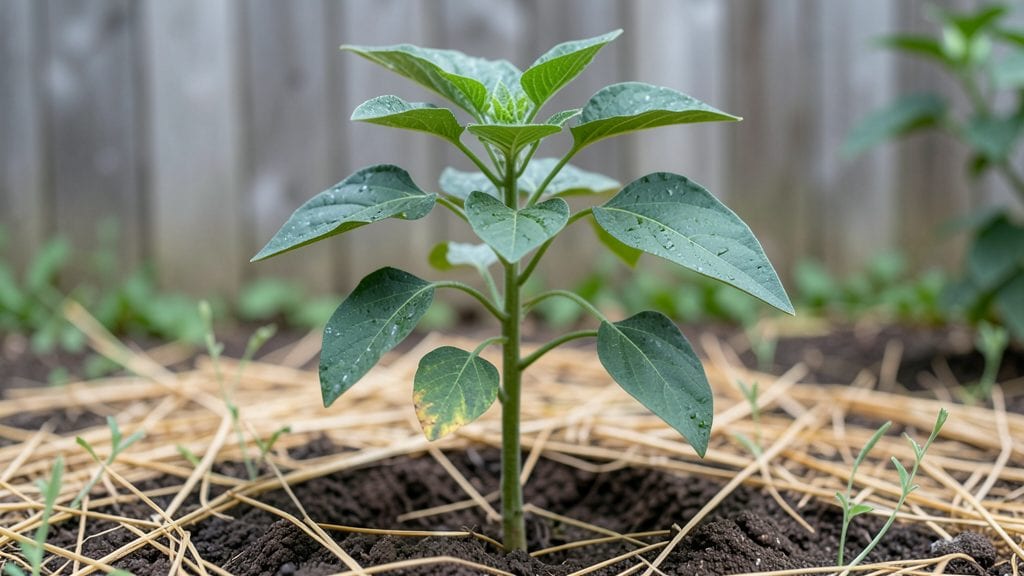
Mastering pepper seedling identification by leaf shape and stem color saves you from growing the wrong plant in your garden—until I learned these simple visual cues that make spotting them foolproof. 🌱 I’ve spent years confusing jalapeño seedlings for bell peppers— The first clue is the leaf shape: bell pepper seedlings have broad, rounded leaves, while jalapeños and habaneros start with narrower, more pointed ones.
Stem color also matters—bell pepper stems tend to be lighter green, while hot peppers often have a slight reddish or purple tint when young.
The real game-changer is comparing them side by side with tomato seedlings, which have jagged, serrated leaves and hairy stems. Herbs like basil or cilantro won’t even come close—their leaves are much smaller and more delicate.
Once you’ve got the hang of it, you’ll spot the difference in seconds, avoiding the heartbreak of pulling up the wrong plants later. My first year, I wasted two raised beds on misidentified seedlings—now I never make that mistake again.
After identification, the next step is giving them the right care: bell peppers need full sun and consistent watering, while hot peppers thrive with a little more heat and well-draining soil.
You’ll know you’re on the right track when seedlings start developing their signature shapes—bell peppers will swell slightly, and hot peppers will show early signs of their spicy potential. The payoff? A garden full of exactly what you planted, no surprises.
This method works for any pepper variety, whether you’re growing in containers or straight in the ground. Beginners especially benefit from these visual tricks—no more guessing games when your seedlings pop up. Let’s get those plants identified so you can focus on growing the harvest you want.
Mistakes That Confuse Seedlings
Identifying pepper seedlings can feel like solving a botanical puzzle—especially when they don’t look like the glossy catalog images. Misidentification often stems from misunderstanding growth stages, environmental stress, or genetic quirks. Let’s break down the most common culprits and why they throw off your expectations.
Pepper seedlings undergo dramatic changes from sprouting to maturity. What you see at the cotyledon stage (the first two leaves) may bear little resemblance to the adult plant. For example:
- Bell peppers might start with jagged, serrated leaves that later smooth into broad, rounded shapes.
- Jalapeños can sprout with tiny, almost heart-shaped leaves before developing the classic lanceolate (lance-shaped) foliage.
- Ghost peppers may look like regular chilis at first—only their stem color (deep purple or black) and leaf texture (thicker, waxier) reveal their true identity later.
Why it happens: Peppers prioritize root and stem development in early stages, leaving leaves underdeveloped. Wait until the true leaves (third set onward) appear before judging shape or color.
💡 Pro Tip: Snap a photo of your seedlings at the 4-6 true-leaf stage and compare them to mature pepper leaf galleries. Use a magnifying glass to spot vein patterns—jalapeños and serranos often have prominent white veins, while bell peppers have finer, green ones.
Pepper seedlings under stress—whether from temperature swings, poor lighting, or overwatering—can develop symptoms that look like pests or diseases. Here’s how to tell the difference:
| Symptom | Stress Cause | Disease/Pest? |
|---|---|---|
| Yellowing lower leaves | Overwatering or cold roots | ❌ No—check soil moisture and root health. |
| Purple stems/leaves | Low phosphorus or cool temps (<50°F) | ❌ Unless fungal spots appear, it’s nutrient-related. |
| Stunted growth | Underwatering or compacted soil | ❌ Rule out root rot or damping-off first. |
| Crinkled or curled leaves | High heat or transplant shock | ⚠️ Could also signal spider mites—inspect undersides. |
Why it happens: Peppers are tropical plants—they thrive in 70–85°F soil temps and 12+ hours of light. Stress triggers anthocyanin production (purple pigments) as a survival mechanism, while poor circulation encourages fungal growth. Fix the environment first before assuming disease.
🔥 Action Step: Use a soil thermometer and grow light to stabilize conditions. If seedlings are leggy, bury them deeper (up to the first true leaves) to encourage root growth.
Not all pepper seeds are created equal. Hybrid varieties (like ‘Carolina Reaper’ or ‘Sweet Banana’) may revert to unexpected traits, while heirloom seeds can cross-pollinate in your garden, leading to unpredictable seedlings. Common red flags:
- Leaf shape inconsistency: A ‘Jalapeño’ seedling with smooth, bell-like leaves might be a cross with a bell pepper.
- Stem color surprises: A ‘Poblano’ (green stems) might sprout with purple streaks if pollinated by a ‘Shishito.’
- Slow growth: Heirloom peppers often take longer to mature than hybrids.
Why it happens: Peppers are self-pollinating but not self-cleaning—pollen can linger on flowers for days. Hybrids also revert to parent traits (e.g., a ‘spicy’ hybrid might produce a mild offspring). Isolate varieties by 50+ feet if you want pure strains.
🎯 Solution: Start with certified organic seeds from reputable sellers (like Baker Creek or Johnny’s Selected Seeds). If you’re saving seeds, hand-pollinate flowers with a paintbrush to control crosses.
Some pepper problems look like normal development but are actually invasive pests or fungal infections. Here’s how to spot the imposters:
- White, cottony growth on stems → Powdery mildew (not downy fuzz from humidity).
- Holes in leaves → Slugs or aphids, not natural leaf margin serrations.
- Black, mushy stems at the base → Damping-off fungus, not just “short seedlings.”
- Sticky residue on leaves → Honeydew from aphids, not dew.
Why it happens: Young seedlings have thin cuticles, making them vulnerable to pathogens like Phytophthora or Alternaria. Pests target tender new growth because it’s high in sugars. Sterilize tools and trays between uses to prevent spread.
🔪 Emergency Fix: For fungal issues, spray seedlings with a 1:10 hydrogen peroxide solution (3%). For pests, use neem oil (mix 1 tsp per quart of water) or introduce beneficial nematodes to the soil.
Quick Fixes for Seedling Struggles
Got confused seedlings? Don’t panic—most issues have simple, actionable solutions. Below, we’ll match common problems with step-by-step fixes, plus prevention tips to keep your pepper plants thriving. 🌱🔍
Cause: Too many seedlings competing for nutrients, light, or space.
Fix It:
- 🔥 Thin Them Out – Use clean scissors or your fingers to snip or gently pull weaker seedlings at soil level. Leave the strongest, healthiest ones (look for vibrant leaves and sturdy stems).
- 🍳 Repot Strategically – Move remaining seedlings into individual pots (3–4 inches wide) with fresh potting mix. Add a slow-release fertilizer to boost growth.
- 🌡️ Optimize Light – Place seedlings under grow lights (12–16 hours/day) or in a sunny window. Rotate pots daily for even growth.
Prevent It: ✅ Sow Sparsely – Follow seed packet spacing guidelines (e.g., 1/4 inch deep, 1 inch apart). ✅ Use Trays with Drainage – Prevents root rot and overcrowding. ✅ Monitor Early – Check seedlings weekly and thin before they get too tall.
Cause: Overwatering, underwatering, or nutrient deficiencies.
Fix It:
- 💧 Check the Soil – Stick your finger 1 inch deep. If damp, reduce watering; if dry, water deeply until it drains from the bottom.
- 🌡️ Adjust Humidity – Place a tray of water near seedlings or use a humidity dome (remove once true leaves appear).
- 🍽️ Fertilize Lightly – Use a balanced, water-soluble fertilizer (5-5-5 or 10-10-10) diluted to half strength every 2 weeks.
Prevent It: ✅ Water at the Base – Avoid wetting leaves to prevent fungal diseases. ✅ Use Well-Draining Mix – Combine potting soil with perlite or vermiculite (50/50 ratio). ✅ Watch for Pests – Inspect leaves for aphids or spider mites (spray with neem oil if needed).
Cause: Phosphorus deficiency or cool temperatures.
Fix It:
- 🍳 Boost Phosphorus – Apply a phosphorus-rich fertilizer (like bone meal or a 10-20-10 blend) or compost tea.
- 🌡️ Warm Them Up – Move seedlings to a warmer spot (70–80°F) or use a heat mat if below 60°F.
- 🔥 Increase Light – Supplement with grow lights if natural light is weak.
Prevent It: ✅ Pre-Warm Seeds – Soak seeds in warm water (80°F) for 24 hours before planting. ✅ Use Warm Soil – Keep seed trays on a heat mat until germination. ✅ Test Soil pH – Aim for 6.0–6.8; adjust with lime (to raise pH) or sulfur (to lower it).
Cause: Weak seedlings attract pests, or damp conditions encourage fungus gnats.
Fix It:
- 🔪 Remove Pests Manually – Spray aphids off with water or wipe mites with a damp cloth.
- 🌡️ Use Natural Repellents – Mix 1 tsp neem oil + 1 tsp dish soap in 1 quart of water; spray seedlings (test on one leaf first).
- 🍳 Trap Fungus Gnats – Place yellow sticky traps near seedlings or use a fan to disrupt their life cycle.
Prevent It: ✅ Keep Soil Dry – Water only when the top inch is dry. ✅ Quarantine New Plants – Inspect any additions before introducing them to seedlings. ✅ Encourage Beneficial Insects – Release ladybugs or lacewings if pests persist.
Cause: Lack of light or over-fertilization.
Fix It:
- 🔥 Move Closer to Light – Place seedlings within 6 inches of grow lights or a south-facing window.
- 🍳 Bury Deeper (Carefully!) – Gently push soil up the stem to encourage root growth (avoid damaging the stem).
- 🌡️ Reduce Fertilizer – Switch to a lower-nitrogen fertilizer (like 5-10-10) or flush with water if over-fertilized.
Prevent It: ✅ Start with Strong Light – Use LED grow lights from day one. ✅ Avoid Crowding – Thin seedlings early to prevent competition. ✅ Use Small Pots – 2–3 inch pots force seedlings to grow roots faster.
Label Everything! Use toothpicks with plant names/dates to avoid mix-ups as seedlings grow. A little organization now saves headaches later. 📝✨
Remember: Most seedling issues are fixable with quick adjustments. Monitor daily, act early, and your peppers will reward you with bold flavors and vibrant growth! 🌶️💚
Frequently asked questions
How can I tell the difference between bell pepper and hot pepper seedlings?
Look at the leaf shape and stem color. Bell pepper seedlings have broad, rounded leaves and lighter green stems, while hot peppers like jalapeños or habaneros develop narrower, pointed leaves with stems that may have reddish or purple tinges.
Why do my pepper seedlings look different from the seed packet picture?
Early seedlings often don't resemble mature plants! Focus on the true leaves (third set onward) for accurate identification. The first two leaves (cotyledons) are similar across varieties and don't help distinguish types.
Can I use a magnifying glass to identify pepper seedlings?
A magnifying glass helps examine leaf vein patterns—jalapeños and serranos often have prominent white veins, while bell peppers have finer, green ones. This is especially helpful when seedlings are very young.
What's the best way to avoid confusing pepper seedlings with tomato seedlings?
Tomato seedlings have jagged, serrated leaves and hairy stems, while pepper seedlings have smooth edges and non-hairy stems. Also, tomato seedlings develop faster and often have a more robust appearance.
How early can I accurately identify pepper seedlings?
Wait until seedlings have developed their 4-6 true leaves (not counting the first two cotyledons). This usually occurs about 2-3 weeks after germination, when the plants are more established and their characteristic traits become visible.