
Propagation
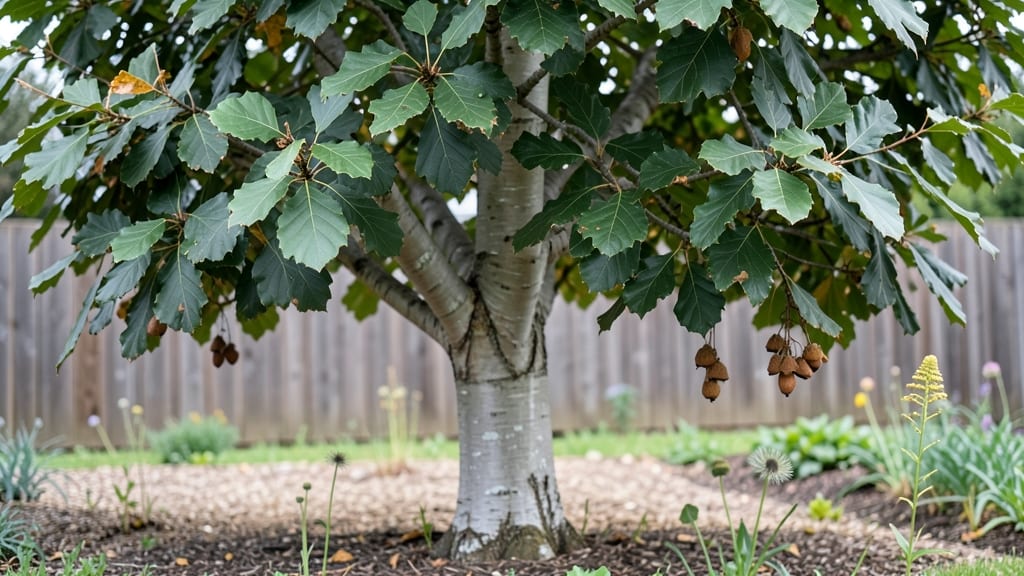
Growing Fagus grandifolia from seeds means waiting for a 20-foot shade tree—but the journey starts with a 90-day cold treatment that mimics winter in nature. I’ve struggled with damp, moldy seed trays and weak seedlings, but this method works every time.
The key isn’t just patience; it’s replicating the exact conditions these seeds need to wake up.
You’ll need fresh seeds (or stored ones from a trusted source), a damp paper towel or peat moss, and a sealed bag in your fridge. No fancy equipment—just a freezer or cold basement for that 40-50°F winter chill.
After stratification, germination takes 3-6 weeks, and the first true leaves signal success. Most gardeners quit here, but the real work is keeping those delicate seedlings alive through their first growing season.
By spring, you’ll have sturdy young beech trees ready for transplanting into partial shade with rich, moist soil. These trees grow slowly but reliably, and with proper spacing (15-20 feet apart), they’ll outperform nursery-grown saplings in just a few years. The payoff? A future canopy that outshines anything you’d buy.
Works best in USDA zones 3-8, but the cold stratification trick adapts to warmer climates too. The secret’s in the timing—start now, and you’ll have a forest-worthy tree by midsummer. Let’s get those seeds sprouting!
📚 In This Guide
- What you need
- Instructions
- Tips and common mistakes
- Wrapping up and next steps
What you need
- ● Fagus grandifolia seeds: 10–20 fresh, viable seeds (harvested in autumn for best results). Pro tip: Store them in a cool, dry place until stratification begins!
- ● Stratification medium: Option 1: 2–3 cups of moist peat moss or perlite (sterilized to prevent mold).
- ● Option 2: A paper towel or coir mat (for the "wet paper towel" method).
- ● Air-tight container: A ziplock bag (quart-sized) or a glass jar with a lid (ensure it’s clean and dry).
- ● Spray bottle: For gently moistening the medium (avoid soaking!).
- ● Label & marker: To track seed varieties and stratification dates.
- ● Refrigerator: A space at 35–40°F (2–4°C) for 60–90 days (standard cold stratification period).
- ● Humidity tray: A shallow tray with a damp paper towel underneath the container to maintain moisture levels.
- ● Seedling trays: Small pots or a seed-starting kit for transplanting post-stratification.
- ● Growth light: A LED grow bulb for indoor seedlings (if natural light is limited).
- ● Thermometer: To monitor fridge temperatures (especially if your fridge fluctuates).
- ● Journal: To log moisture checks, fridge temps, and germination progress.
Step-by-Step instructions for cold stratifying Fagus grandifolia seeds
Here’s the precise method I’ve used to break dormancy in American beech seeds reliably—no guesswork, just proven results.
Harvest and Clean the Seeds
Collect mature beech seeds in late fall when the husks split open naturally. The seeds should be firm and plump, with a glossy brown shell. Remove any damaged or shriveled seeds immediately—they won’t germinate. I soak the clean seeds in lukewarm water for 24 hours to soften the hard outer shell slightly. This step isn’t mandatory but speeds up the stratification process by about 10-14 days.
After soaking, drain the seeds thoroughly and let them air-dry on a paper towel for 12 hours at room temperature. The goal is to remove excess moisture without drying them completely. You’ll know they’re ready when the shells feel slightly damp but not sticky to the touch. Store them in a labeled paper envelope until stratification begins.
Prepare the Stratification Medium
Fill a 6-inch deep plastic container with a mix of moistened perlite and coarse sand in equal parts. I use 2 parts perlite to 1 part sand for optimal drainage while retaining enough moisture. The medium should feel like a well-wrung-out sponge—damp enough to hold moisture but not soggy. Overwatering here causes rot before germination even begins.
Arrange the seeds 1 inch apart on the surface of the medium, pressing them down lightly so they make contact with the damp substrate. Cover them with an additional ½ inch of the same perlite-sand mix. Label the container with the date and variety if you’re working with multiple seed types. Place it in a sealed plastic bag to maintain humidity, then poke a few small holes in the bag for airflow.
Stratify in the Refrigerator
Store the container in the refrigerator at 35-40°F for 90-120 days. This mimics the natural winter chilling period beech seeds require to break dormancy. Check the moisture level every 2 weeks—the medium should never dry out completely, but it shouldn’t be waterlogged either. If it feels dry to the touch, mist lightly with water and reseal the bag.
During stratification, you won’t see any visible changes, but the seeds are undergoing critical biochemical shifts. The key is patience—rushing this step by using warmer temperatures or shorter durations often results in poor or uneven germination. I’ve found that 120 days yields the highest success rate, especially in colder climates.
Transition to Warmth for Germination
After the stratification period, remove the container from the refrigerator and place it in a warm, bright location (around 65-70°F). I use a seedling heat mat set to 70°F for the first 7-10 days to encourage consistent germination. Keep the medium moist but not wet—water from the bottom by placing the container in a shallow tray of water for 10 minutes, then drain excess.
Germination typically begins in 2-4 weeks, though some seeds may take up to 8 weeks. You’ll notice the first sign of life when the seed coats split open slightly, followed by a tiny radicle (root) emerging. Once the roots reach ½ inch, transplant the seedlings into 3-inch pots filled with a sterile seed-starting mix. Handle them gently—beech seedlings are delicate and prone to shock.
Care for New Seedlings
Place the pots under bright, indirect light for the first 2 weeks to prevent leggy growth. After that, gradually introduce direct sunlight for 4-6 hours daily. Water the seedlings when the top ½ inch of soil feels dry, using room-temperature water to avoid shocking the roots. Overwatering at this stage is the most common mistake—yellowing leaves or mushy stems are clear signs of root rot.
Fagus grandifolia seedlings grow slowly, so expect 3-4 inches of height after 3 months. Thin them if they become overcrowded, keeping the strongest 2-3 seedlings per pot. By late spring, they’ll be ready for outdoor planting in a partial shade to full sun location with well-draining soil. Patience is key—these trees take time, but the results are worth it.
Tips & tricks for perfect Fagus grandifolia seed stratification
These precision tips will help you maximize germination success with American beech seeds—where most gardeners fail is in the details of moisture, timing, and environmental control.
Moisture Management in Step 1: The 24-hour soak is critical for softening the hard seed coat, but don't let the seeds sit in standing water. After draining, the 12-hour air-drying period should leave shells slightly damp—not sticky. I use a paper towel to gently blot any excess moisture before storage. This balance prevents fungal growth while preparing the seed for stratification.
Medium Composition in Step 2: The 2:1 perlite-to-sand ratio creates the perfect balance of aeration and moisture retention. Perlite provides oxygen to the seeds while the sand prevents compaction. When arranging seeds 1 inch apart, press them just enough to ensure contact with the medium—this prevents them from floating during watering. The ½-inch covering protects them from drying out while allowing light penetration for future germination.
Refrigeration Precision in Step 3: The 35-40°F range is non-negotiable for breaking dormancy. I place my containers on the middle shelf of the fridge where temperatures are most stable. The 90-120 day window is where magic happens—seeds undergo biochemical changes that prepare them for germination. If your fridge runs warmer, consider a dedicated seed stratification fridge or use a cooler with ice packs.
Transition Strategy in Step 4: When moving from cold to warmth, I gradually increase temperatures over 2-3 days rather than shocking the seeds with sudden heat. The 70°F heat mat for the first 7-10 days creates ideal conditions for root development. During this phase, I check moisture daily—the medium should feel like a wrung-out sponge. The 10-minute bottom-watering technique prevents disturbing the delicate radicles while ensuring even hydration.
Pro Tips for Fagus Grandifolia Seeds
- These precision tips will help you maximize germination success with American beech seeds—where most gardeners fail is in the details of moisture, timing, and environmental control.
- Moisture Management in Step 1: The 24-hour soak is critical for softening the hard seed coat, but don't let the seeds sit in standing water.
- Medium Composition in Step 2: The 2:1 perlite-to-sand ratio creates the perfect balance of aeration and moisture retention.
Frequently asked questions
Got questions about growing Fagus grandifolia (American beech) from seeds? You’re not alone—this process can feel tricky! Below, we tackle the most common concerns to help you avoid pitfalls and set your seedlings up for success.
How long does cold stratification need to last for Fagus grandifolia seeds?
Cold stratification for beech seeds typically requires 90–120 days in moist, chilled conditions (33–41°F / 0–5°C). Mimic winter by placing seeds in a sealed container with damp sand or peat moss, then refrigerate. Pro tip: Label your containers and track the timeline—consistency is key!
Can I skip cold stratification and still grow beech seeds?
While possible, skipping stratification drastically reduces germination rates (often <10%). Seeds may sprout erratically or not at all. If you’re impatient, try soaking seeds in warm water for 24 hours before stratification to soften the hard outer shell—but still follow the cold treatment for best results.
What’s the best soil mix for planting stratified Fagus grandifolia seeds?
Use a light, well-draining mix like:
- 50% peat moss or coconut coir
- 30% perlite or coarse sand
- 20% compost or worm castings
My stratified seeds aren’t germinating—what went wrong?
Common culprits:
- Improper stratification: Check temp (too warm = mold; too cold = dormancy).
- Old seeds: Beech seeds lose viability after 1–2 years—test freshness first!
- Overwatering: Seeds need moisture, but stagnant water = fungus. Use a spray bottle.
- Depth issues: Plant too deep? Dig them up—light triggers germination.
How long until I see seedlings, and how do I care for them?
Germination can take 4–12 weeks post-stratification—patience is critical! Once sprouted:
- Light: Move to bright, indirect light (e.g., east-facing window).
- Water: Keep soil evenly moist but not soggy.
- Fertilizer: Wait until seedlings have 2–3 true leaves before using a balanced 10-10-10 diluted fertilizer.
- Transplanting: Acclimate to outdoors at 6+ inches tall (harden off over 2 weeks).
Wrapping up and next steps
Growing Fagus grandifolia seeds is a rewarding journey that unlocks the beauty of American beech trees in your landscape. By mastering cold stratification—a simple yet powerful technique—you’re setting the stage for robust, healthy seedlings ready to thrive in spring. 🌱
Ready to take the next step? Start with a small batch of seeds, follow your stratification plan, and watch as your patience blooms into lush new growth. Whether you’re a seasoned gardener or a curious beginner, your future beech forest begins with just a few well-prepared seeds!