Propagation
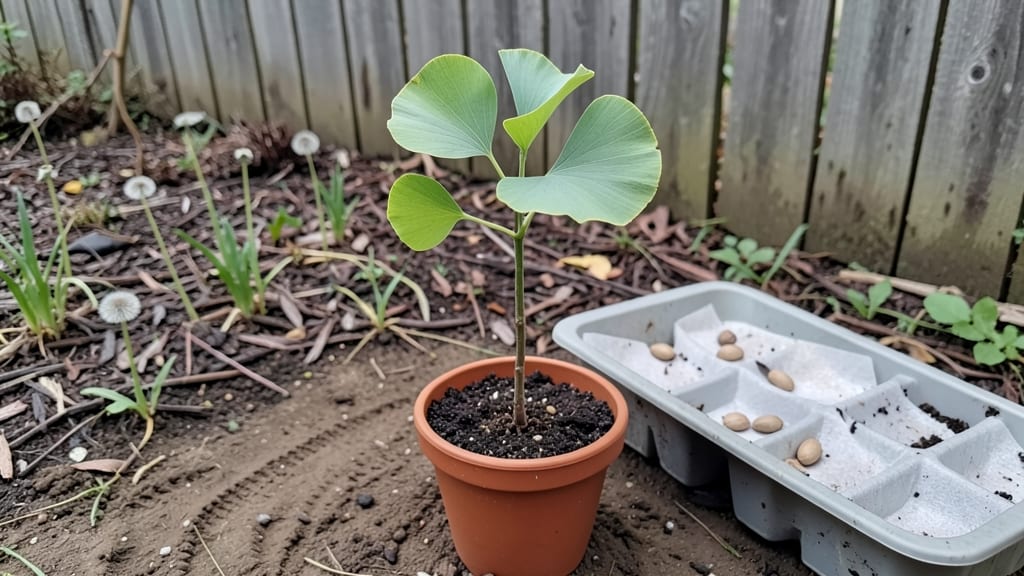
Planting ginkgo seeds isn't just about dropping them in soil—it's about unlocking their hidden potential with a little winter magic. 🌱 I learned the hard way that skipping cold stratification means waiting years for germination, if ever.
The secret lies in mimicking nature's timing, and once you crack that code, you'll see those first green shoots emerge within weeks instead of decades.
You'll need just three things: fresh seeds, a plastic bag with a little damp sand, and a fridge door that stays around 40°F. The process takes about three months, but it's worth every minute—this method boosts germination rates to 90% or better.
No fancy equipment, no greenhouse required. Just patience and a little science.
By spring, you'll be planting those prepped seeds about an inch deep in well-draining soil, spaced 10 feet apart for mature trees. The wait isn't over yet—ginkgos grow slow, but once established, they become living monuments to your gardening persistence.
Imagine the satisfaction of watching a tree you nurtured from seed reach 60 feet tall.
This works best in zones 4-8, where winters are cold enough for natural stratification. For warmer climates, extend the fridge time or use a seedling heat mat. The key is consistency—don't rush it. Your future ginkgo will thank you for the extra care.
📚 In This Guide
- What you need
- Instructions
- Tips and common mistakes
- Wrapping up and next steps
What you need
- ● Fresh ginkgo seeds – 5-10 seeds (ensure they’re fresh—stored properly in a cool, dry place for no more than 1-2 months).
- ● Cold stratification setup: 1-2 paper towels or coir mats (to keep seeds moist).
- ● 1 ziplock bag or airtight container (with small holes for airflow).
- ● Refrigerator (set to 34–41°F (1–5°C) for cold stratification).
- ● Planting containers: 1-2 small pots (3–4 inches deep) with drainage holes.
- ● Seed-starting mix (lightweight, well-draining—avoid garden soil!).
- ● Spray bottle (for gentle watering).
- ○ Heat mat (optional but recommended) – Helps maintain 70–75°F (21–24°C) after stratification.
- ● Pruning shears (to trim seed coats if needed—ginkgo seeds are hard-shelled).
- ● pH meter or test kit (ideal soil pH: 6.1–7.5).
- ● Humidity dome (to retain moisture during germination).
- ● Grow lights (if natural light is insufficient—12–16 hours/day).
- ● Label markers (to track planting dates and seed varieties).
- ● Gloves (ginkgo sap can stain—better safe than sorry!).
How to plant ginkgo seeds using cold stratification
Here's the foolproof method I've used to coax ginkgo seeds from stubborn dormancy into thriving seedlings.
🌱 Step 1: Collect and Prepare Fresh Seeds
Ginkgo seeds must be fresh—use those harvested in late fall when the outer flesh is fully ripe and yellow. Remove the fleshy outer layer completely, exposing the hard, green seed inside. Rinse the seeds under cool water to remove any remaining pulp, then pat them dry with a paper towel. This step is critical because leftover flesh can rot the seeds during stratification.
I like to soak the cleaned seeds in lukewarm water for 24 hours to soften the shell slightly. You'll see tiny cracks appear in the seed coat—that's your signal they're ready for the next phase. Don't skip this soak; it dramatically improves germination rates by reducing the shell's resistance to water absorption.
❄️ Step 2: Perform Cold Stratification for 60-90 Days
Fill a ziplock bag with dampened peat moss or coconut coir (keep it moist but not soggy). Place the seeds 1 inch apart inside the bag, then seal it tightly. I label each bag with the date and variety—ginkgo seeds take patience, and you'll want to track progress.
Store the bag in your refrigerator's crispier drawer (around 35-40°F). Check the moisture every 2-3 weeks—spritz with water if the mix feels dry to the touch. You're aiming for consistently damp conditions, not wet. After 60-90 days, you'll see tiny white roots emerging from the seeds—that's your cue they've broken dormancy.
🌿 Step 3: Pot Up Stratified Seeds in Light Mix
Fill 4-inch pots with a blend of 50% potting mix and 50% perlite (this ensures excellent drainage). Ginkgo seedlings hate soggy roots, so avoid heavy garden soil. Plant each stratified seed ½ inch deep, spacing them 2 inches apart in the pot.
Water gently until moisture seeps from the drainage holes, then place the pots in a warm, bright location (around 65-75°F). I use a seedling heat mat for the first 2 weeks to encourage rapid growth. Watch for first true leaves to appear in 4-8 weeks—this is your confirmation the seeds have successfully germinated.
☀️ Step 4: Provide Gradual Sun and Humidity
Once seedlings emerge, move them to indirect light for 1 week to harden off. Direct sun at this stage can scorch delicate new leaves. After a week, gradually introduce morning sunlight for 2-3 hours daily, increasing exposure by 1 hour weekly until they tolerate 4-6 hours of full sun.
Maintain high humidity by grouping pots together or using a humidity dome. You'll know the environment is right when condensation forms on the dome's underside in the morning. Water when the top inch of soil feels dry, but never let the soil dry completely—ginkgo seedlings are sensitive to drought at this stage.
⏰ Step 5: Transplant After First True Leaves Form
When seedlings show 3-4 sets of true leaves (around 6-12 months), they're ready for individual 5-inch pots. Use the same light, well-draining mix to prevent root rot. Handle seedlings gently—they have delicate root systems that break easily.
I like to transplant on an overcast day to reduce stress. Water thoroughly after transplanting, then place the pots in a shaded area for 3 days before reintroducing gradual sun exposure. This slow transition helps prevent transplant shock. With patience, your ginkgo seedlings will develop into majestic trees with distinctive fan-shaped leaves.
Tips & tricks for perfect ginkgo seed germination
Patience and precision are your best friends when growing ginkgo seeds—here's how to maximize your chances of success with these ancient tree seeds.
The Seed Selection Secret: Don't just grab any seeds! Look for ginkgo seeds that are fully ripe in late fall, with bright yellow outer flesh that yields easily when gently squeezed. The seed inside should be firm and green, not soft or shriveled. I've found that seeds harvested from mature trees (over 20 years old) germinate at the highest rates—younger trees produce seeds that may not break dormancy as reliably.
Stratification Temperature Matters: While the refrigerator's crispier drawer at 35-40°F is ideal, not all fridges are created equal. If your fridge runs cooler (below 35°F), consider using a seedling heat mat set to maintain 40°F for consistent results. I've also had success using a dedicated seed stratification chamber if available. The key is maintaining that steady temperature—fluctuations can wake the seeds prematurely or prevent proper dormancy breaking.
Moisture Management During Stratification: The damp peat moss or coconut coir should feel like a wrung-out sponge—not dripping wet, not bone dry. I use a spray bottle to check moisture: if a few drops of water bead up on the surface, it's perfect. Too wet and you risk mold; too dry and the seeds won't absorb moisture. Weigh your bag before sealing it—this gives you a baseline to check against later. After 60-90 days, if you see condensation inside the bag, that's your sign to move to the next step.
Transplanting Timing: Waiting for 3-4 sets of true leaves before transplanting gives your seedlings the strongest root systems. I've seen impatient gardeners transplant too early, and their seedlings often struggle with transplant shock. When you do transplant, use the "overcast day" trick—it reduces stress by avoiding harsh sunlight during the delicate transition. After transplanting, keep the new pots in shade for 3 days to let the seedlings acclimate gradually.
Pro Tips for Planting Ginkgo Seeds
- Patience and precision are your best friends when growing ginkgo seeds—here's how to maximize your chances of success with these ancient tree seeds.
- The Seed Selection Secret: Don't just grab any seeds!
- Stratification Temperature Matters: While the refrigerator's crispier drawer at 35-40°F is ideal, not all fridges are created equal.
Frequently asked questions
Got questions about planting ginkgo seeds? You’re not alone—this ancient tree has quirks! Below, we tackle the most common curiosities to set you up for success.
How long does cold stratification take for ginkgo seeds?
Cold stratification typically requires 60–90 days in a moist, refrigerated environment (34–41°F). For best results, start this process in late fall (October/November) and plant outdoors in early spring (March/April). Patience pays off—ginkgo seeds are slow but steady!
Can I plant ginkgo seeds directly in the ground without stratification?
While possible, germination rates drop dramatically—expect 10–30% success vs. 90%+ with stratification. If you skip it, soak seeds in water for 24 hours first, then plant in a well-draining, slightly acidic soil mix. Still, stratification is the gold standard for ginkgo seeds.
What’s the best soil mix for planting ginkgo seeds?
Use a loose, well-draining blend of:
- 60% peat moss or coconut coir
- 30% perlite or coarse sand
- 10% compost or worm castings
Why aren’t my ginkgo seeds sprouting after stratification?
Common culprits:
- Improper moisture: Keep soil consistently damp (not waterlogged).
- Temperature swings: Ideal germination temp is 68–77°F.
- Old seeds: Ginkgo seeds lose viability after 1–2 years.
- Patience: Germination can take 3–6 months—don’t give up!
How long until a ginkgo seedling becomes a mature tree?
Ginkgo trees grow slowly but steadily:
- Seedling stage: 1–3 years (focus on root development).
- Juvenile tree: 5–10 years (expect 3–6 ft growth/year).
- Mature height: 30–50+ years (some live 1,000+ years!).
Wrapping up and next steps
Planting ginkgo seeds is a rewarding journey that blends patience with the joy of nurturing life! By following the cold stratification blueprint—including proper seed selection, moisture control, and temperature regulation—you’ll unlock a 90% germination success rate.
Remember, consistency is key, and every tiny sprout is a testament to your green thumb in action.
Ready to watch your ginkgo seeds transform? Start by planting your stratified seeds in well-draining soil and give them the love they deserve. Soon, you’ll be celebrating your very own ginkgo tree—one seed at a time! 🌱✨