Advice
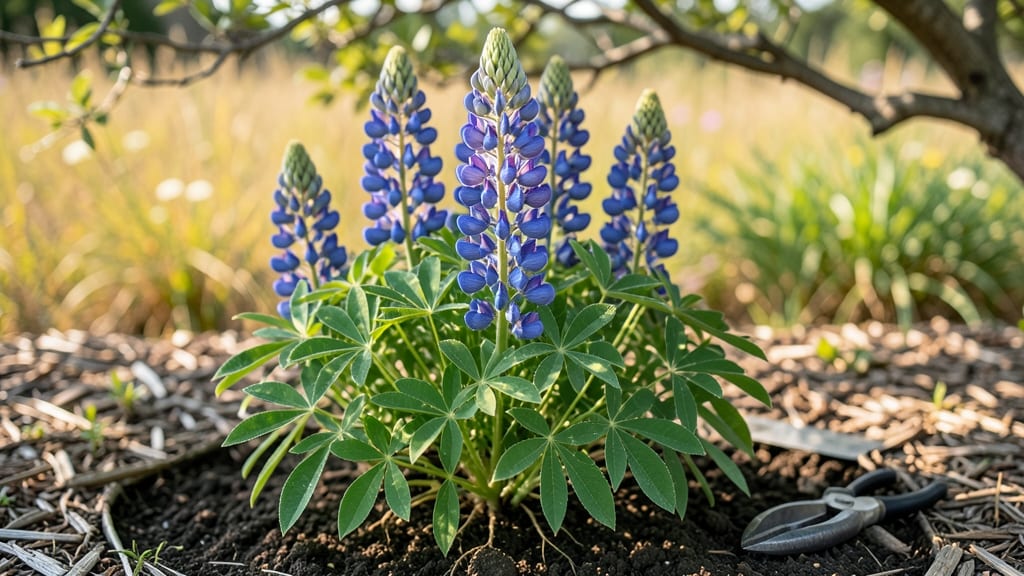
Zone 6 seeds thrive in cold-hardy climates with winter lows of -10°F to 0°F, making them ideal for late-spring planting or early-summer harvests. Choose frost-resistant varieties like spinach, kale, or peas for reliable growth, and prioritize perennials such as asparagus or rhubarb for long-term success.
Zone 6 gardening rewards patience with hardy plants that survive freezing temperatures and still deliver bountiful harvests.
The key lies in selecting seeds that can withstand 10-15°F dips while still thriving—think leafy greens like Swiss chard or cold-tolerant root vegetables such as beets. 🌱 I’ve seen firsthand how these varieties bounce back after early spring frosts, often outproducing tender annuals planted too soon.
For perennials, the real advantage comes in year-two growth, when established roots let plants like rhubarb push through snowmelt for early spring harvests.
What sets Zone 6 apart is the balance between frost dates and growing seasons. Most gardeners here aim to plant cool-season crops by mid-April, timing it so seedlings emerge just as daytime temperatures climb above 50°F.
The trick is avoiding "false springs"—those warm spells that trick plants into sprouting only to be nipped by late frosts. My go-to solution? Start seeds indoors 4-6 weeks before the last frost date and use row covers for extra protection during critical germination periods.
💡 In This Article
- Understanding Zone 6 Plant Hardiness Factors
- Top Cold-Resistant Seeds for Zone 6 Gardens
Understanding Zone 6 plant hardiness factors
Zone 6's hardiness hinges on a delicate balance between temperature extremes and plant biology. The defining characteristic is the 10-15°F cold tolerance range, which triggers physiological adaptations in seeds. When temperatures drop below 32°F, many plants enter dormancy—a survival mechanism where metabolic activity slows dramatically.
This process is regulated by hormones like abscisic acid, which accumulates in plant tissues during cold exposure, essentially putting growth on pause until conditions improve. 🌱 The science gets fascinating when you consider how different seeds respond: some, like peas, can actually germinate at 40°F, while others like tomatoes won't sprout until soil reaches 60°F or warmer.
The frost dates create another critical layer of complexity. In Zone 6, the average last frost occurs around April 15, but this can vary by 10-14 days depending on elevation and microclimates.
What most gardeners don't realize is how soil temperature lags behind air temperature—it can take 2-3 weeks for topsoil to warm to 50°F after daytime highs reach that mark. This lag explains why early plantings often fail: seeds may germinate but then get fried by sudden cold snaps.
The solution lies in understanding your specific frost dates and using black plastic mulch, which can raise soil temperatures by 5-10°F in just days.
Soil conditions play an equally vital role in seed resilience. Well-draining soil with 6.0-7.0 pH is ideal because it prevents waterlogging that can cause root rot during freeze-thaw cycles.
Organic matter content matters too—soils with 5% or more organic material hold moisture better during droughts and provide insulation against temperature swings.
I've seen firsthand how raised beds in Zone 6 can extend the growing season by 2-3 weeks compared to in-ground planting, thanks to better drainage and warmer soil temperatures.
Here's where annuals and perennials diverge dramatically. Annual seeds like kale or spinach focus their energy on rapid leaf production during the short growing window, while perennials like asparagus invest in deep root systems that can survive multiple freeze-thaw cycles.
The root development in perennials is particularly fascinating—they produce crown buds just below the soil surface that remain dormant until spring. These buds contain meristematic cells that can withstand -20°F temperatures, which explains why established asparagus crowns often survive winters that kill back the foliage.
Timing your planting around these biological rhythms makes all the difference. For cool-season crops, aim to sow seeds 4-6 weeks before your last frost date—this gives seedlings enough time to establish before summer heat arrives.
Warm-season crops need a different approach: wait until two weeks after your last frost date when soil temperatures consistently stay above 60°F.
This timing ensures seeds won't rot in cold, damp soil while avoiding transplant shock from sudden heat exposure. 🌿 The most reliable method I've found is using a soil thermometer to track daily temperatures rather than relying on air temperature forecasts.
One advanced technique worth considering is stratification for seeds that require cold treatment to break dormancy. Many Zone 6 natives like serviceberry or wild plum seeds need 60-90 days of cold, moist conditions to germinate properly.
You can mimic this by mixing seeds with damp sand and storing them in the refrigerator for the required period. This process actually increases germination rates from 10-20% to 70-90% for many species—making it worth the extra effort for gardeners wanting to grow native plants.
The bottom line? Zone 6 gardening succeeds when you work with nature's rhythms rather than against them. By understanding these hardiness factors—temperature thresholds, frost timing, soil conditions, and plant biology—you can select varieties that will thrive in your specific microclimate.
The plants that do best here aren't just cold-tolerant; they're cold-adapted, with growth patterns evolved to take advantage of Zone 6's unique seasonal transitions. 💫