
Pruning
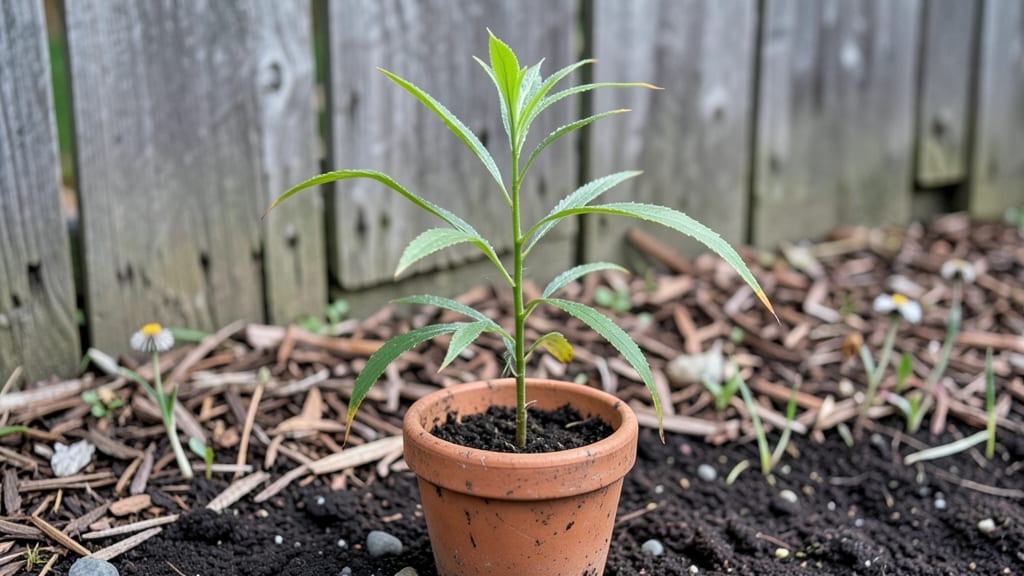
Growing a willow tree seedling starts with keeping its roots moist—too dry and it stalls, too soggy and it rots. I learned that the hard way after my first seedling wilted within weeks, despite my best efforts.
The key isn’t just water; it’s timing and technique that create the perfect balance for those fast-growing roots to establish.
Willows thrive in damp soil but hate standing water—think of a riverbank, not a swamp. You’ll need a spot with 6+ hours of sunlight, well-draining soil mixed with compost, and a way to monitor moisture without overdoing it.
A moisture meter or finger test (stick your finger in 2 inches deep) works better than guessing. The first stage is all about getting those roots down 12-18 inches before they spread like wildfire.
Once established, your seedling will shoot up 3-6 feet in a single season—that’s why containment matters. Without barriers, willows send out roots that can clog drains or overtake neighboring plants.
Prune aggressively in late winter to shape the tree and redirect energy upward. You’ll end up with a striking, fast-growing tree that’s both productive and manageable.
This method works for weeping willows, crack willows, or any fast-growing variety—but skip it if you’re near septic systems or foundations. The secret to success? Consistent moisture and regular pruning to keep it in check. Let’s get those roots growing right from the start.
📚 In This Guide
- What you need
- Instructions
- Tips and common mistakes
- Wrapping up and next steps
What you need
- ● Willow tree seedling: 1–3 (choose Salix babylonica or Salix fragilis for best results; 6–12" tall is ideal).
- ○ Growing container: 1–2 5-gallon buckets or whiskey barrels (with drainage holes) per seedling. Optional: Fabric grow bags (for easier transplanting).
- ● Well-draining soil: 5–10 lbs of a mix: 60% peat moss or coco coir (for moisture retention),
- ● 30% perlite or vermiculite (for aeration),
- ● 10% sand (coarse, to prevent compaction).
- ● Watering supplies: 1 hose with adjustable nozzle (for deep watering),
- ● 1 watering can with a fine rose (for gentle moisture checks),
- ○ 1 moisture meter (optional but helpful for tracking soil dampness).
- ● Pruning tools: 1 pair bypass pruners (for clean cuts),
- ● 1 hand saw (for thicker stems, if needed).
- ● Support system: 1–2 bamboo stakes or tree ties (to secure seedlings in windy areas).
- ● Fertilizer: 1 lb of balanced slow-release fertilizer (10-10-10 ratio) or composted manure (for nutrients).
- ● Location: Full sun (6+ hours/day) and shelter from strong winds (willows love water but hate drying out!).
- ○ Safety gear (optional): Gloves (to protect from sap) and knee pads (for comfort).
Instructions for cultivating willow tree seedlings with precision moisture care
Mastering willow seedling growth comes down to managing moisture—too much or too little ruins the delicate root system.
Prepare the Planting Site for Optimal Moisture Retention
Willow seedlings thrive in consistently damp soil, so choose a location where water naturally pools or where you can easily maintain moisture. Clear the area of weeds and rocks, then loosen the top 6 inches of soil with a garden fork to improve drainage while retaining water. Avoid compacted ground—willow roots need space to spread horizontally.
If your soil drains too quickly, mix in 2 inches of compost to help retain moisture without suffocating roots. Test your site by digging a 1-foot deep hole, filling it with water, and watching how fast it drains. Willow seedlings prefer soil that stays moist but never soggy—aim for drainage that takes 30-60 minutes to fully absorb.
Plant Seedlings at the Right Depth and Spacing
Dig a hole twice as wide as the seedling’s root ball but only 1 inch deeper than the container’s base. Willow roots are shallow and sensitive to burial—planting too deep suffocates them. Gently remove the seedling from its container, loosen any circling roots, and place it in the hole so the top of the root ball sits level with the soil surface. Press the surrounding soil firmly to eliminate air pockets.
Space seedlings 10-12 feet apart to allow their roots to expand freely. Willow trees grow aggressively, and crowding leads to weak stems and competition for moisture. Water deeply immediately after planting to settle the soil and encourage root contact with damp earth. Keep the area moist for the first 2 weeks—you’ll know it’s right when the soil feels like a wrung-out sponge.
Maintain Consistent Moisture Without Overwatering
Willow seedlings demand 1-2 inches of water per week, delivered through deep, infrequent watering rather than light daily sprinkles. Use a hose with a gentle spray nozzle or soaker hose to saturate the top 6 inches of soil. Water in the morning so foliage dries by evening—this prevents fungal diseases that thrive in damp leaves.
Check moisture by sticking your finger 2 inches deep into the soil. If it feels dry, water again; if it’s still cool and damp, wait another day. Mulch the base with 2 inches of organic material (like wood chips) to slow evaporation and keep roots consistently moist. Avoid letting the soil dry out completely—willow seedlings wilt quickly and may not recover.
Monitor Root Development and Adjust Care
After 4-6 weeks, gently scratch the soil surface around the base to check for new root growth. Healthy willow seedlings will show white, fibrous roots spreading outward. If roots appear sparse or the soil dries too fast, increase mulch thickness to 3 inches and water more frequently. Conversely, if the area stays waterlogged, improve drainage by mounding soil slightly around the base.
Prune any leggy or weak stems in early spring to encourage bushier growth. Willow trees respond well to shaping, but avoid heavy pruning in the first year—focus on establishing strong roots first. By the end of the first growing season, your seedlings should stand 3-5 feet tall with a sturdy base, ready for their next stage of growth.
Tips & tricks for willow tree seedling cultivation
Growing willow seedlings successfully hinges on understanding their moisture needs—here’s how to avoid the most common pitfalls while maximizing their potential.
Soil Preparation Matters: When testing your site’s drainage in Step 1, pay close attention to how quickly the water absorbs. If it drains faster than 30 minutes, you’ll need to add that extra 2 inches of compost to create the ideal sponge-like moisture retention. I’ve learned the hard way that willow roots struggle in soil that either drains too fast or stays waterlogged—aim for that perfect balance where water pools just enough to keep roots happy but never sitting in standing water.
Planting Depth is Critical: In Step 2, that 1-inch deeper hole might seem insignificant, but it can make or break your seedlings. Willow roots are shallow and sensitive—burying them too deep suffocates them, while planting too shallow exposes roots to drying out. Press the soil firmly around the base to eliminate air pockets, which helps roots establish contact with moist soil immediately. Trust me on this: proper depth at planting sets the foundation for healthy growth.
Watering Wisdom: The 1-2 inches of water per week in Step 3 might sound like a lot, but it’s essential for willow seedlings. Use a gentle spray or soaker hose to saturate the top 6 inches of soil—this encourages deep root growth rather than shallow, weak roots. I’ve found that watering in the morning gives leaves time to dry, preventing fungal issues that damp foliage invites. And always check moisture 2 inches deep with your finger—this simple test tells you exactly when to water again.
Root Monitoring is Key: When you check for root growth after 4-6 weeks in Step 4, look for those white, fibrous roots spreading outward. If you see sparse roots or the soil dries too quickly, increase your mulch to 3 inches and water more frequently. Conversely, if the area stays soggy, mound soil slightly around the base to improve drainage. This adjustment phase is where you fine-tune care based on what your seedlings actually need.
Pro Tips for Willow Tree Seedling
- Growing willow seedlings successfully hinges on understanding their moisture needs—here’s how to avoid the most common pitfalls while maximizing their potential.
- Soil Preparation Matters: When testing your site’s drainage in Step 1, pay close attention to how quickly the water absorbs.
- Planting Depth is Critical: In Step 2, that 1-inch deeper hole might seem insignificant, but it can make or break your seedlings.
Frequently asked questions
about growing willow tree seedlings—because every gardener deserves clarity!How long does it take for a willow seedling to establish roots?
A willow seedling typically develops a strong root system in 4–8 weeks under ideal conditions (moist, well-drained soil and consistent watering). However, willows are fast growers, so you may see visible root growth or new shoots within 2–3 weeks. Patience is key—especially in cooler climates!
Can I plant a willow seedling in winter?
While willow seedlings are hardy, planting in late fall or winter (before freezing temperatures) requires extra care. Use a thick mulch layer (3–4 inches) to insulate roots, and avoid planting when the ground is frozen. Spring planting (after last frost) is ideal for most regions!
Why is my willow seedling wilting even with regular watering?
Wilting can signal overwatering (root rot) or underwatering. Check soil moisture—willows love consistently damp (not soggy) soil. If roots are mushy, repot in fresh, well-draining soil. Yellowing leaves? It might be nutrient deficiency—try a balanced fertilizer or compost.
Are there faster-growing alternatives to willow seedlings?
If speed is your goal, consider hybrid poplar or silver maple seedlings—they grow 2–3x faster than willows. However, willows excel in erosion control and wetland restoration. For quick shade, leucadendron (a South African shrub) is another rapid grower!
When and how should I prune a young willow seedling?
Prune in late winter or early spring (before new growth) to shape the seedling and encourage strong branching. Remove dead, crossing, or weak branches using clean pruners. Avoid heavy pruning—willows resprout vigorously but may become top-heavy if over-pruned.
How do I transplant a mature willow seedling without killing it?
Transplant on a cloudy day or evening to reduce stress. Dig a hole twice as wide as the root ball, water thoroughly, and stake for support if needed. Prune 1/3 of the foliage to reduce water loss. Mulch heavily and keep soil moist for 4–6 weeks post-transplant.
Wrapping up and next steps
Growing a willow tree seedling is a rewarding journey that blends patience with the joy of nurturing nature. By mastering the three key stages—root establishment, controlled moisture, and gradual acclimation—you’ll set your seedling up for lush, resilient growth.
Remember, willows thrive on consistency, so stay attentive to their needs and adapt as they evolve!
Ready to watch your seedling flourish? Start small—whether it’s planting just one or expanding your green space—then share your progress with fellow gardening enthusiasts. Every sprouted leaf is a step toward a healthier, greener future! 🌱✨