
Diseases
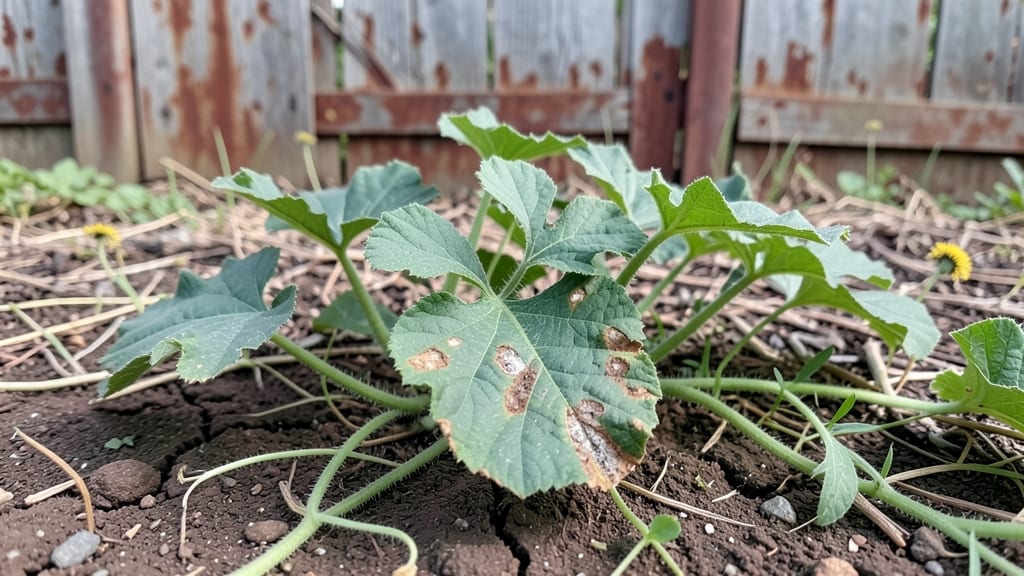
Is your watermelon seedling collapsing before sprouting—could watermelon seedling diseases be the silent culprit? That’s damping-off—and it’s the silent killer of young plants. I’ve lost entire trays to this fungal nightmare, but early detection turns the tide. The key is spotting the warning signs before your seedlings turn to mush.
Damping-off shows up as blackened stems at the soil line, seedlings that topple like dominoes, or a fuzzy gray mold clinging to the roots. Powdery mildew, another common foe, starts as white powder on leaves, stunting growth before you realize it’s there.
Both thrive in crowded, damp conditions, so air circulation and proper spacing are your first line of defense.
With the right mix of sterilized soil, spaced-out seedlings, and organic fungicides like neem oil, you can save your crop before it’s too late. I’ve turned around sick seedlings in just 48 hours by adjusting watering habits and adding a thin layer of mulch to keep stems dry.
The difference between a thriving patch and a failed start comes down to these small, proactive steps.
This works for greenhouse starts, indoor seed trays, or outdoor beds—just tweak the timing for your climate. The goal is simple: healthy seedlings that stand strong from day one. Let’s get those plants fighting back.
Root Causes of Seedling Struggles
Watermelon seedlings don’t just "get sick" for no reason—diseases and poor growth usually stem from specific environmental, biological, or cultural triggers. Understanding these causes is the first step to prevention.
Below, we break down the key reasons watermelon seedlings fall victim to disease, from soil-borne pathogens to human error. Let’s dig in!
Diseases in watermelon seedlings often start with microorganisms lurking in the soil, air, or even on seeds. These pathogens exploit weak seedlings, thriving when conditions are just right.
Fungal Foes: The Most Common Threats
Fungi like Fusarium, Pythium, and Phytophthora are notorious for attacking young watermelon roots and stems. Here’s how they strike:
- Damp Soil Conditions: Fungi spread rapidly in waterlogged or poorly drained soil. Excess moisture softens plant tissues, making them easy targets for fungal hyphae (thread-like structures) to penetrate.
- Warm Temperatures: Most fungal pathogens thrive between 68–86°F (20–30°C). If your seedlings are sprouting in a greenhouse or warm climate, fungi can multiply exponentially in just days.
- Old or Contaminated Soil: Reusing soil from last season without sterilization leaves behind fungal spores. Even compost can harbor Pythium, which causes damping-off—a deadly seedling disease.
- Weak Seedlings: Overcrowded or nutrient-deficient seedlings have thinner cell walls, making them easier for fungi to breach.
Bacterial Bullies: Fast and Fierce
Bacteria like Erwinia (soft rot) and Pseudomonas (leaf spot) don’t just wait—they actively infect seedlings through wounds or natural openings (like stomata). They spread via:
- Water Splashing: Overhead irrigation or rain can splash bacteria from soil onto leaves, creating entry points.
- Contaminated Tools or Hands: Pruners, gloves, or even your fingers can transfer bacteria from diseased plants to healthy seedlings.
- High Humidity: Bacteria thrive in 90%+ humidity. If your seedlings are in a closed greenhouse or shaded area, bacterial growth skyrockets.
Viral Hitchhikers: The Sneaky Stowaways
Viruses like Cucumber Mosaic Virus (CMV) or Watermelon Mosaic Virus (WMV) don’t grow on their own—they hijack plant cells using insects (like aphids) as carriers. Seedlings get infected when:
- Aphids Feed on Infected Plants: These tiny pests inject viruses while sucking sap. A single aphid can transmit CMV to dozens of seedlings in hours.
- Wind or Water Spreads Viruses: Some viruses hitch rides on windborne dust or contaminated irrigation water.
- Grafting or Transplanting Infected Stock: Using virus-infected seedlings as rootstock can permanently contaminate your crop.
Seedlings need a perfect balance of moisture, temperature, and airflow. When these factors go awry, diseases move in like uninvited guests.
💦 Too Much or Too Little Water
Water stress is a top cause of seedling diseases. Here’s how it backfires:
- Overwatering: Soggy soil suffocates roots, cutting off oxygen and inviting Pythium and Phytophthora. Roots rot, stems weaken, and seedlings collapse.
- Underwatering: Drought-stressed seedlings have weakened immune responses, making them 3x more susceptible to fungal attacks.
- Inconsistent Moisture: Alternating between dry and soaked soil cracks seedling tissue, creating entry points for bacteria and fungi.
☀️ Extreme Temperatures: Too Hot or Too Cold
Watermelon seedlings are tropical plants—they hate temperature swings. Diseases exploit these conditions:
- Cold Soil (<50°F/10°C): Slow germination and weak root growth make seedlings vulnerable to damping-off fungi.
- Heat Stress (>95°F/35°C): High temps open stomata wider, letting bacteria and viruses slip in. Plus, heat weakens cell walls, making plants easier prey.
- Nighttime Chills: If daytime is warm but nights drop below 55°F (13°C), seedlings can’t recover, leading to blossom-end rot and fungal infections.
🌬️ Poor Airflow: The Disease Incubator
Stagnant air is a disease magnet. Without circulation:
- Humidity Builds Up: Moist air lingers on leaves, creating the perfect 90%+ humidity fungi and bacteria love.
- Spore Spread Accelerates: Fungal spores float in still air, landing on seedlings and germinating faster.
- Ethylene Gas Traps: Overcrowded seedlings release ethylene gas, which suppresses growth and weakens defenses.
Even the best gardeners make mistakes that invite diseases. Here’s how:
🌿 Reusing Contaminated Soil or Containers
Old potting mix, garden beds, or plastic pots can harbor:
- Fungal Spores: Fusarium and Pythium can survive in soil for years.
- Bacterial Biofilms: Some bacteria form protective slime layers that survive sterilization attempts.
- Weed Seeds: Weeds like nightshade carry diseases that jump to watermelons.
🌱 Planting Too Early or Too Late
Timing matters! Planting seedlings when:
- Soil is Too Cold: Delays root growth, making seedlings easier targets for soil-borne diseases.
- Pests Are Active: Early planting means aphids and whiteflies are already feeding, spreading viruses.
- Heat Waves Strike: Seedlings planted in peak summer wilt quickly, inviting bacterial leaf spot.
🧴 Overuse of Chemicals or Improper Sanitation
Pesticides, fertilizers, and even well-meaning fungicides can disrupt seedling health:
- Chemical Burn: Over-fertilizing (especially with high nitrogen) makes seedlings soft and prone to rot.
- Remove Infected Seedlings 🌱➡️🗑️
- Snip off diseased seedlings at the soil line to prevent spores from spreading. Dispose of them in a sealed bag (not your compost pile!).
- Adjust Watering Habits 💧🚫 - Water only the soil, not the leaves or stems. Use a drip irrigation system or water early in the morning so foliage dries quickly. - Pro Tip: 💡 Let the top 1–2 inches of soil dry out between waterings.
- Apply Fungicide 🛡️🍄
- Prevention: Dust seedlings with copper fungicide or neem oil (1 tsp per gallon of water) every 7–10 days.
- Treatment: For powdery mildew, mix 1 tsp baking soda + 1 tsp dish soap + 1 quart water, then spray on leaves (test on a few plants first).
- Improve Airflow 🌬️🔄
- Thin out seedlings so they’re 6–8 inches apart (if crowded, fungi spread faster).
- Use a small fan on low for 10–15 minutes daily to reduce humidity around seedlings.
- Isolate Infected Plants 🚫🤝
- Move sick seedlings at least 10 feet away from healthy ones. Bacteria spread via sap and water splashes.
- Clean Everything 🧼✨
- Sterilize tools with 70% rubbing alcohol or a 10% bleach solution (1 part bleach to 9 parts water) between uses.
- Disinfect containers by soaking in hot, soapy water for 10 minutes.
- Prune Strategically ⏰✂️
- Cut off only the infected leaves (not the whole plant) if the disease is localized. Dip pruners in hydrogen peroxide (3%) between cuts.
- Boost Plant Immunity 💪🌿
- Fertilize lightly with a balanced organic fertilizer (10-10-10) to strengthen seedlings.
- Spray with compost tea (1:10 ratio) weekly to enhance natural resistance.
- Control Pests Immediately 🐜💨
- Spray with insecticidal soap (1.5 tbsp per gallon) or neem oil to kill aphids/whiteflies.
- Release ladybugs or lacewings (natural predators) for long-term pest control.
- Remove Severely Infected Plants 🗑️🚫
- Viruses don’t have a cure—destroy infected seedlings to stop the spread.
- Quarantine New Plants 🏠🔒
- Keep new seedlings separate for 2 weeks before introducing them to the main garden.
- Adjust Temperature 🌡️🔥
- Ideal range: 70–85°F (21–29°C) during the day, 60–70°F (15–21°C) at night.
- Shade cloth (30–50%) can protect seedlings from heat stress in hot climates.
- Repot if Needed 🏺🌱
- If roots are circling or crowded, transplant to a larger pot with fresh, sterile soil.
- Fertilize Gently 🌿💪
- Use a low-nitrogen fertilizer (like 5-10-10) to avoid burning tender roots.
- Fish emulsion (1 tbsp per gallon) provides quick nutrients without overloading.
Quick Fixes for Sick Seedlings
Watermelon seedlings are delicate, and when diseases strike, acting fast can mean the difference between a thriving crop and a total loss. Below are practical, step-by-step solutions tailored to the most common seedling diseases—plus prevention tips to keep your plants healthy from the start.
Let’s get your seedlings back on track!
Causes: Overwatering, poor drainage, or high humidity create the perfect breeding ground for fungi like damping-off or powdery mildew.
🔥 How to Treat It
Fungi thrive in soggy conditions!
🌱 Prevention Checklist
✅ Sterilize soil with solarization (cover with clear plastic for 4–6 weeks) or baking soda (1 cup per 5 gallons of soil). ✅ Use raised beds with well-draining mix (50% potting soil, 50% perlite/sand). ✅ Rotate crops—never plant watermelons in the same spot two years in a row.
Causes: Contaminated tools, water, or seeds introduce bacteria like bacterial wilt or leaf spot.
🍳 How to Treat It
🔥 Prevention Tips
💡 Start with disease-free seeds from reputable suppliers. 💡 Avoid overhead watering—use a watering wand with a fine mist to prevent splashing bacteria. 💡 Rotate crops and practice 3-year fallow periods in infected beds.
Causes: Viruses (like cucumber mosaic virus) spread via insects (aphids, whiteflies) or contaminated tools.
👨🍳 How to Treat It
🎯 Prevention Strategies
✨ Use row covers to block insects from reaching seedlings. ✨ Rotate crops and avoid planting near cucumbers, squash, or melons (they share viruses). ✨ Keep the garden clean—remove weeds and debris where pests hide.
Causes: Extreme temps, nutrient deficiency, or transplant shock weaken seedlings.
🥘 How to Revive Them
💡 Quick Recovery Tips
🔥 Mist seedlings with cool water on hot days to reduce stress. 🔥 Mulch with straw to keep soil temps stable and retain moisture. 🔥 Avoid transplant shock—harden off seedlings by gradually exposing them to outdoor conditions over 5–7 days.
Final Thought: 🌟 The key to healthy watermelon seedlings is early action + prevention. Once you spot symptoms, isolate, treat, and adjust—then focus on keeping conditions ideal. With these fixes, your seedlings will bounce back stronger than ever! 🚀
Frequently asked questions about watermelon seedling diseases
What are the first signs of damping-off in watermelon seedlings?
Look for seedlings that suddenly collapse at the soil line without wilting first. You may also see gray or white fuzzy mold on stems or roots. This fungal disease thrives in damp, crowded conditions, so check for overly wet soil or overcrowded trays.
Can I save seedlings with powdery mildew, or should I remove them?
You can treat mild cases by spraying a mix of 1 tsp baking soda + 1 tsp dish soap + 1 quart water on leaves. For severe infections, remove affected seedlings immediately to prevent spread. Improve airflow by spacing plants 6-8 inches apart and avoid overhead watering.
Why do my watermelon seedlings get diseases even with organic fungicides?
Fungicides work best as preventative measures, not cures. If diseases persist, check your watering habits (overhead watering spreads spores) and soil conditions (waterlogged soil invites root rot). Sterilize containers and use fresh, disease-free soil each season.
How do I know if my seedlings have a bacterial or viral infection?
Bacterial infections show water-soaked spots that turn yellow/brown, often with oozing. Viral infections cause mosaic patterns on leaves (light/dark green patches) and stunted growth. Viruses spread via insects, while bacteria spread through water or tools.
Is it safe to reuse last year's soil for watermelon seedlings?
No—reuse soil without sterilization risks carrying over fungal spores like Pythium or Fusarium. Solarize soil (cover with plastic for 4-6 weeks) or mix with fresh potting soil. For containers, use new or thoroughly cleaned pots to prevent disease transfer.