
Flowers
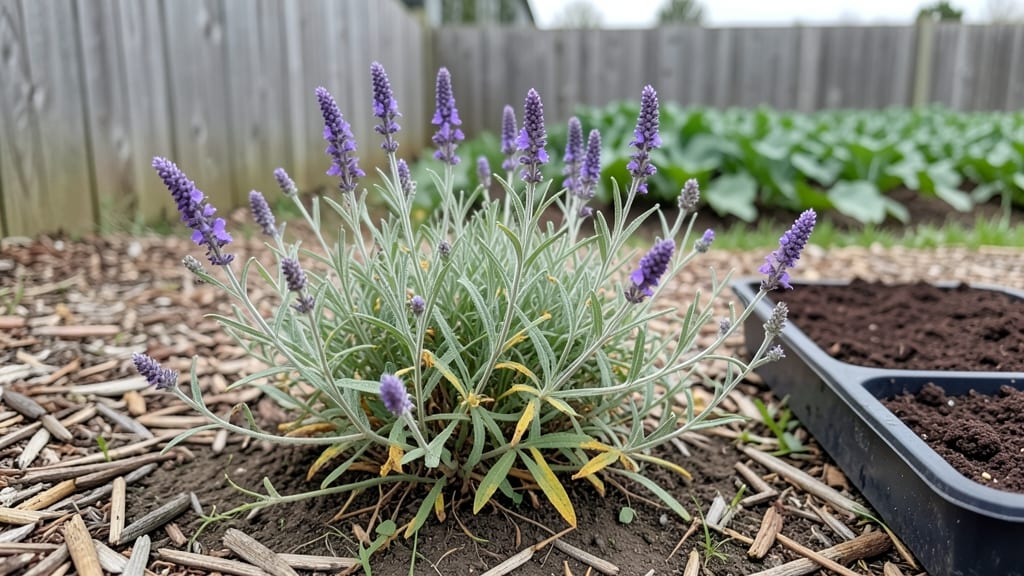
Growing verbena rigida seeds unlocks those dreamy lavender-like blooms that perfume summer air. 🌿 I’ve grown this tough little plant for years, and it’s become my go-to for sunny borders where nothing else thrives.
The secret lies in starting them right—these seeds need warmth, patience, and just the right touch of moisture to wake up.
The trick is keeping them cozy under grow lights until they sprout, which can take 2-3 weeks if you’re consistent.
I use a simple mix of potting soil and perlite to prevent damping off, and plant them just 1/8-inch deep—no deeper, or they’ll rot before they even think about germinating. Once they pop up, thin them to 6 inches apart so they don’t compete for sunlight.
By midsummer, you’ll have a cloud of fragrant purple blooms that hummingbirds adore. The plant spreads gently over time, filling gaps naturally, and it handles drought like a champ once established. Even my black thumb can’t kill these—just give them sun, space, and occasional deadheading for nonstop blooms.
Works in zones 5-10, whether you’re tucking them into rock gardens, spilling them over slopes, or lining a hot, dry walkway. Here’s how to get them started without the guesswork—no lavender’s fussiness, just reliable beauty every season.
📚 In This Guide
- What you need
- Instructions
- Tips and common mistakes
- Wrapping up and next steps
What you need
- ● Verbena rigida seeds: 10-20 seeds (or a small packet for a fuller display). Look for organic or heirloom varieties for best results!
- ● Well-draining potting mix: 2-3 gallons (or enough to fill your chosen containers). A blend of cactus/succulent mix or regular potting soil with perlite works perfectly.
- ● Containers or garden beds: For seedlings: 4-6 small pots (3-4 inches wide) with drainage holes.
- ● For mature plants: 1-2 larger pots (10+ inches wide) or a sunny garden bed with at least 6 hours of sunlight daily.
- ● Drainage trays or saucers: 1-2 (to catch excess water and prevent root rot).
- ● Watering can or spray bottle: With a fine rose nozzle for gentle hydration.
- ● Gloves: A pair (to protect your hands from prickly stems or soil).
- ● Trowel or small shovel: For transplanting seedlings.
- ○ Pruning shears: (Optional) To trim spent blooms and encourage bushier growth.
- ○ Fertilizer: (Optional) A balanced 10-10-10 or low-nitrogen fertilizer (like 5-10-5) for established plants. Use sparingly—Verbena rigida prefers lean soil!
- ○ Mulch: (Optional) A light layer of gravel or organic mulch (like straw) to retain moisture and deter weeds.
- ○ Sunlight meter or app: (Optional) To track your garden’s sunlight exposure if unsure.
Step-by-Step instructions for growing verbena rigida from seeds
Here's how to coax those fragrant lavender-like blooms from tiny seeds—simple steps that work even for beginners.
🌱 Step 1: Prepare Containers and Seed Starting Mix
Fill small 2-3 inch deep pots with a light, sterile seed-starting mix. I like to use a blend of 50% peat moss and 50% perlite for excellent drainage—verbena hates soggy roots. Moisten the mix until it's damp like a wrung-out sponge, but not dripping.
Press the soil down gently so it's firm but not compacted. The surface should feel slightly resistant when touched. Planting verbena seeds too deep delays germination, so keep them shallow. I use a toothpick to make tiny holes about ⅛ inch deep—just enough to cradle each seed.
🌱 Step 2: Sow Seeds and Maintain Warmth
Place 1-2 seeds per pot in your shallow holes, spacing them ¼ inch apart. Cover them with a thin layer of the same mix—just enough to hide the seeds but no deeper. Mist the surface lightly with water until evenly moist.
Verbena seeds need warmth to germinate, so place the pots in a spot where the soil stays between 70-75°F. A seedling heat mat works wonders here. Keep the soil consistently moist but never soggy—use a spray bottle to avoid disturbing the seeds. Germination takes 10-21 days, so patience is key.
☀️ Step 3: Provide Bright Light for Seedlings
Once sprouts appear, move them to the brightest window you have. South-facing windows are ideal, but if your seedlings stretch toward the light, they're not getting enough. I use a grow light on a timer for 14-16 hours daily to prevent leggy growth.
You'll notice strong seedlings have deep green leaves and short, sturdy stems. If leaves look pale and stems stretch, the light is too far away. Keep the pots 2-3 inches below the light source until seedlings have 2-3 sets of true leaves.
🪴 Step 4: Transplant to Larger Pots
When seedlings are 3-4 inches tall, transplant them to 4-inch pots with fresh potting mix. Gently loosen the roots before placing them in the new pots to encourage spreading. Water thoroughly after transplanting to help them settle in.
Verbena thrives in well-draining soil, so I mix 60% potting mix with 40% coarse sand or perlite for the larger pots. Keep them in bright light but avoid direct afternoon sun until they're fully hardened off—you'll see new growth within a week.
⏰ Step 5: Harden Off and Plant Outdoors
Two weeks before your last frost date, start hardening off your verbena by placing them outside in a sheltered spot for 1-2 hours the first day. Gradually increase their outdoor time over 7-10 days, until they can spend the full day outside.
Once hardened off, plant them outdoors in full sun with 6+ hours of direct light daily. Space them 12-18 inches apart to allow for bushy growth. Watch for the first blooms in 8-10 weeks—those fragrant lavender-like flowers will reward your patience!
Tips & tricks for perfect verbena rigida seed starting
Here's what I've learned to help you grow fragrant verbena from seeds without the common pitfalls.
Soil Temperature Secret: The 70-75°F soil temperature range in Step 2 is critical—any cooler and germination slows dramatically. I place my seed trays on a seedling heat mat set to 75°F for consistent results. If you don't have a heat mat, try placing pots on top of your refrigerator during the day (the heat from the motor helps maintain warmth).
Lighting Hack: When using grow lights for the 14-16 hours daily in Step 3, position them 2-3 inches above the seedlings and adjust the height as they grow. I set my timer for 16 hours of light and 8 hours of darkness to mimic natural daylight cycles. This prevents leggy growth and keeps stems sturdy.
Transplanting Timing: Don't rush the transplant in Step 4—wait until you see 2-3 sets of true leaves (not just the initial seed leaves). I transplant when seedlings reach 3-4 inches tall, which usually takes about 6-8 weeks from sowing. The extra time ensures stronger root systems that handle transplant shock better.
Hardening Off Strategy: For the 1-2 hour outdoor acclimation in Step 5, I place my seedlings in a spot with morning sun and afternoon shade. Gradually move them to sunnier locations as they toughen up. This slow transition prevents sunburn on tender new growth while building resilience.
Pro Tips for Verbena Rigida Seeds
- Here's what I've learned to help you grow fragrant verbena from seeds without the common pitfalls.
- Soil Temperature Secret: The 70-75°F soil temperature range in Step 2 is critical—any cooler and germination slows dramatically.
- Lighting Hack: When using grow lights for the 14-16 hours daily in Step 3, position them 2-3 inches above the seedlings and adjust the height as they grow.
Frequently asked questions
about growing Verbena rigida seeds—because every gardener deserves a fragrant, hassle-free experience!How long does it take for Verbena rigida seeds to germinate?
Patience is key! Verbena rigida seeds typically germinate within 14–30 days when kept in consistent warmth (around 70–75°F) and moisture. Keep soil lightly damp but not soggy—think of it like a cozy blanket for tiny seedlings. Pro tip: A seed heating mat can speed up germination if your home runs cool.
When is the best time to plant Verbena rigida seeds?
Timing matters! Start seeds indoors 8–10 weeks before your last frost date (or direct-sow after all frost risk has passed in spring). These seeds hate cold—wait until soil temps hit at least 60°F to avoid disappointment. For fall blooms, you can try a second planting in early summer (if your climate allows).
Why aren’t my Verbena rigida seeds sprouting?
Don’t panic! Common culprits include too-cold soil, dampness (leading to rot), or old seeds (viability drops after 1–2 years). Double-check your setup:
- Warmth: Use a heat mat or place pots near a sunny window.
- Moisture: Mist seeds lightly daily (not a flood!).
- Light: Seeds need bright, indirect light—no dark closets!
Can I grow Verbena rigida from cuttings instead of seeds?
Verbena rigida propagates easily from softwood cuttings in spring or early summer. Snip 4–6 inch stems just below a leaf node, strip lower leaves, and dip in rooting hormone. Plant in moist potting mix, cover with a plastic bag, and keep bright (but not scorching). Roots form in 2–4 weeks—faster than seeds!
Are Verbena rigida seeds deer- or pest-resistant?
Good news: Deer and rabbits usually ignore Verbena rigida—its fragrant foliage and tough stems deter most critters. However, aphids and spider mites may visit. Spray with neem oil or introduce ladybugs for natural pest control. Aphids hate the scent almost as much as deer do!
Wrapping up and next steps
Growing verbena rigida seeds is a rewarding journey that brings fragrant, lavender-like blooms to your sunny garden with minimal effort! Whether you’re a seasoned gardener or just starting, these hardy plants thrive with basic care and a little patience. Ready to transform your outdoor space? 🌸
Your next step? Grab those seeds, pick a sunny spot, and let nature do the rest—soon, you’ll be enjoying the sweet scent and vibrant colors of verbena rigida in full bloom! Happy gardening! 🌞