
Planting
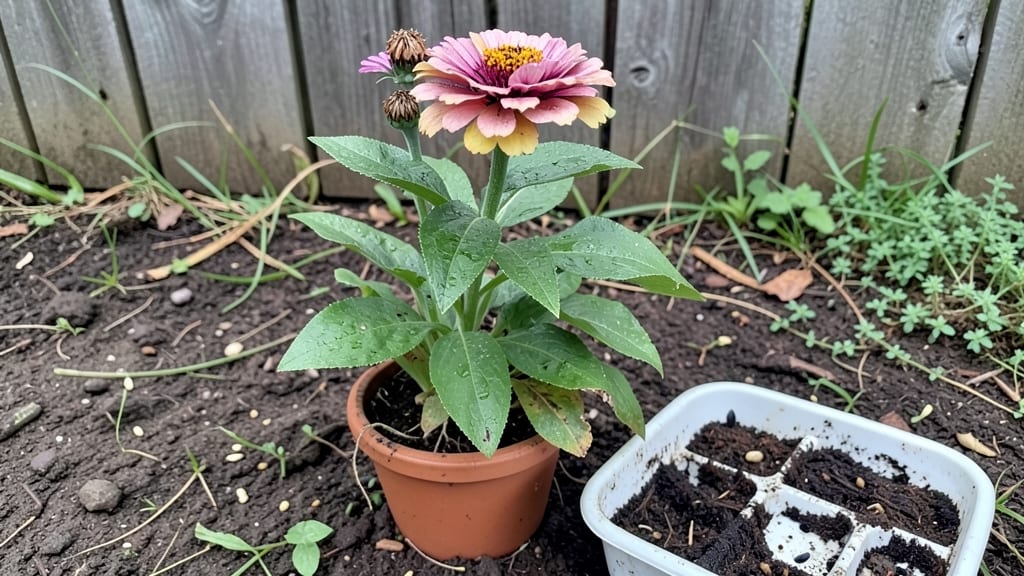
Sowing zinnia seeds is how I get a summer garden that looks like a burst of confetti. 🌻 The secret to those bold blooms isn’t just patience—it’s knowing exactly when to plant, how deep to tuck those tiny seeds, and how to coax them through the first tricky week.
I’ve ruined more zinnia starts than I’ll admit by either drowning them or letting them dry out, but this method has me growing neat rows of vibrant seedlings every time.
You’ll need a sunny spot with well-draining soil, seeds spaced just ¼ inch apart, and a light cover of soil no deeper than ⅛ inch. The real magic happens when you keep the soil consistently moist but not soggy—think damp sponge, not swamp.
Most people overthink it, but zinnia seeds are surprisingly forgiving once you nail the basics. In 3 weeks, you’ll see those first true leaves pushing through the soil, and by midsummer, your garden will be a riot of color.
What I love most is how zinnia seedlings thrive in heat once they’re established—unlike many flowers that wilt by July. The key is spacing them 6-12 inches apart as they grow, so they don’t compete for sunlight. And if you’re worried about slow germination?
A bottom heat mat or placing the tray in a warm spot (like on top of the fridge) can cut that waiting time in half. The payoff? Flowers that last from early summer until frost, with minimal fuss.
This method works for direct sowing in gardens or containers, and the same principles apply whether you’re planting in Zone 5 or Zone 10. The only real mistake I’ve made is planting too early—zinnias hate cold soil.
Stick with me, and by late spring, you’ll have a garden that turns heads without the high-maintenance drama of other annuals.
📚 In This Guide
- What you need
- Instructions
- Tips and common mistakes
- Wrapping up and next steps
What you need
- ● Zinnia seeds: Choose heirloom or hybrid varieties (e.g., 'Benary’s Giant,' 'Profusion'). Buy 1 packet (50–100 seeds) for a small garden or 2–3 packets for a full border.
- ● Seed-starting soil: 1–2 cubic feet of sterile, well-draining potting mix (avoid garden soil—it’s too dense!). Look for brands like Miracle-Gro Seed Starting Potting Mix.
- ● Containers: Seed trays or cell packs: 50–100 cells (for individual seedlings) or 1–2 shallow trays (10"x20") for direct sowing.
- ● OR Biodegradable pots (e.g., Jiffy-7s) for easy transplanting.
- ● Grow lights or sunny windowsill: 12–16 hours of light daily (a LED grow light like Spider Farmer works great for indoor starts).
- ● Spray bottle: 8–16 oz with fine mist for gentle watering.
- ○ Plastic wrap or humidity dome: 1 sheet to retain moisture (optional but helpful for germination).
- ● Seedling heat mat: Makes germination faster (e.g., Vivosun mat, 7"x19").
- ● Fertilizer: Balanced liquid fertilizer (e.g., Dyna-Gro Grow, 5-5-5) for post-germination feeding.
- ● Garden twine & stakes: 6–12" for supporting taller varieties (e.g., 'State Fair').
- ● Label markers: Waterproof labels to track varieties and planting dates.
Step-by-Step instructions for sowing zinnia seeds
Here’s how I get zinnias blooming in just three weeks—no fancy tools, just smart timing.
🌱 Step 1: Prepare the Soil and Planting Site
Zinnias thrive in well-draining soil, so start by loosening the top 6 inches of soil with a garden fork or tiller. Remove any rocks or debris that could block root growth. If your soil feels heavy or compacted, mix in 1 inch of compost to improve drainage and fertility. Zinnias hate soggy roots, so this step is critical for preventing rot.
Choose a spot with full sun exposure—at least 6 hours daily. If your garden gets afternoon shade, pick a location where the plants receive morning sun instead. I always test the spot by placing a ruler vertically at noon—if the shadow is shorter than 6 inches, it’s too shady for zinnias. Mark the area with stakes or a garden hose to avoid planting in the wrong spot later.
🌱 Step 2: Sow the Seeds at the Right Depth and Spacing
Scatter the seeds ¼ inch deep—any deeper and they’ll struggle to push through the soil. I tap the seed packet gently to release one seed at a time, spacing them 12-18 inches apart in rows 18 inches apart. Crowding seeds leads to weak, leggy plants later, so don’t rush this step. Lightly cover them with soil and pat down gently to ensure good seed-to-soil contact.
Water the area immediately after sowing with a fine mist or gentle stream—enough to moisten the soil but not soak it. You’ll see tiny green sprouts in 7-14 days, depending on your climate. If germination takes longer, keep the soil consistently moist (not soggy) and check for seeds that might have been buried too deep or missed during sowing.
☀️ Step 3: Provide Consistent Light and Water
Once seedlings emerge, move them to a sunny spot right away—zinnias won’t tolerate shade after sprouting. If your garden doesn’t get enough sun, supplement with a grow light for 12-14 hours daily. You’ll notice leggy, pale stems if light is insufficient; this is a red flag to adjust immediately. Keep the light 4-6 inches above the plants and raise it as they grow.
Water the seedlings at the base, avoiding the leaves to prevent fungal diseases. Aim for 1 inch of water per week, either from rainfall or manual watering. Let the top inch of soil dry out between waterings—zinnias are drought-tolerant once established, but young plants need steady moisture. Mulch around the base with 1 inch of straw or shredded leaves to retain moisture and suppress weeds.
✂️ Step 4: Thin Seedlings and Encourage Bushy Growth
When seedlings reach 2-3 inches tall, thin them to 12 inches apart to give each plant room to grow. Use scissors to snip excess seedlings at soil level—pulling can disturb roots. This step might feel wasteful, but it ensures stronger, healthier blooms. After thinning, water deeply to help remaining plants recover.
Pinch off the tips of the main stems when they’re 6-8 inches tall to encourage bushier growth. This trick forces the plant to branch out instead of growing tall and spindly. You’ll see new side shoots forming within 1-2 weeks. Deadhead spent blooms regularly by snipping just above a set of leaves—this redirects energy to new flowers and keeps your zinnias blooming all season.
🌿 Step 5: Maintain Through the Growing Season
Fertilize zinnias lightly every 4-6 weeks with a balanced, water-soluble fertilizer (like 10-10-10) to support steady growth. Over-fertilizing leads to lush foliage but fewer blooms, so follow the package instructions closely. Water at the base in the morning to allow foliage to dry quickly—this prevents fungal issues like powdery mildew, which loves damp leaves.
Watch for pests like aphids or spider mites, especially on new growth. Spray affected areas with a mix of 1 tablespoon dish soap per gallon of water if needed. Zinnias are generally low-maintenance, but consistent care here ensures vibrant, long-lasting blooms. By following these steps, you’ll have a burst of color in just three weeks—no waiting around required!
Tips & tricks for perfect zinnia blooms
These simple tricks will help you skip the common pitfalls and grow zinnias that burst with color in just three weeks.
Soil Prep Secret: Don't skip the compost step in Step 1—zinnias are surprisingly sensitive to soggy roots. If your soil feels dense, mix in an extra ½ inch of compost around each planting hole. I've seen zinnias fail completely in heavy clay soil, but adding compost makes all the difference. The key is improving drainage without making the soil too loose, which can cause roots to dry out too quickly.
Seed Spacing Hack: When spacing seeds in Step 2, use a simple ruler trick: place the ruler vertically at the planting site and mark every 12 inches along the edge. This creates perfect spacing without guessing. I also recommend planting a few extra seeds—zinnias have a germination rate of about 70%, so you'll likely need replacements for seeds that don't sprout within the 7-14 day window.
Lighting Troubleshooting: If your zinnias develop leggy stems in Step 3, it's almost always a light issue. Move the grow light closer—start with 4 inches above the plants and adjust as they grow. I've seen seedlings stretch toward weak light sources, but proper positioning prevents this. Also, rotate the plants daily so they grow straight rather than leaning toward one side.
Pinching Timing: The 6-8 inch height guideline in Step 4 is flexible—pinch when you see the first set of true leaves (not the initial seed leaves). I've found that pinching too early can stunt growth, while waiting too long makes the plant too tall to support. After pinching, water deeply to help the plant recover and encourage new side shoots to form within that 1-2 week window.
Pro Tips for Sowing Zinnia Seeds
- These simple tricks will help you skip the common pitfalls and grow zinnias that burst with color in just three weeks.
- Soil Prep Secret: Don't skip the compost step in Step 1—zinnias are surprisingly sensitive to soggy roots.
- Seed Spacing Hack: When spacing seeds in Step 2, use a simple ruler trick: place the ruler vertically at the planting site and mark every 12 inches along the edge.
Frequently asked questions
Got questions about sowing zinnia seeds? You’re not alone! Here are answers to the most common queries—from timing to troubleshooting—to help you grow vibrant zinnias with confidence.
When is the best time to plant zinnia seeds?
Zinnias thrive in warm soil, so wait until after the last frost when nighttime temperatures stay above 50°F (10°C). For a longer bloom season, start seeds indoors 6–8 weeks before the last frost or sow directly outdoors in spring or early summer. Late summer sowings can also yield fall blooms!
How long does it take for zinnia seeds to germinate?
Germination is fast—usually 5–10 days in warm, moist soil (70–75°F or 21–24°C). Keep seeds consistently damp (not soggy) and in bright light. If germination takes longer, check seed viability or adjust moisture/temperature. Pro tip: A heat mat can speed up sluggish seeds!
Can I plant zinnia seeds too close together?
Yes! Zinnias are self-thinning, meaning weaker seedlings naturally fall away. Sow seeds ¼ inch deep and 12–18 inches apart for full-grown plants. If overcrowded, thin seedlings to 6–12 inches apart once they’re 2–3 inches tall. Bonus: Overcrowding can actually improve germination rates!
Why aren’t my zinnia seeds sprouting?
Common culprits include old seeds (zinnias lose viability after 1–2 years), cold soil (wait for warmth), or dampness issues (too dry or waterlogged). Try pressing seeds lightly into soil (they need light to germinate!) or test a few in a damp paper towel—if they sprout in 7–10 days, the issue is environmental.
Are there easy alternatives to zinnias for beginners?
Try marigolds (fast-growing, pest-repellent), cosmos (drought-tolerant, self-seeding), or sunflowers (bold blooms, quick germination). All three share zinnias’ love for full sun and well-drained soil. Fun fact: Cosmos seeds can even sprout in 3–5 days!
Wrapping up and next steps
Sowing zinnia seeds is a rewarding journey that brings vibrant color to your garden in just three weeks—and with these pro tips, you’re already ahead of the game! 🌸 Whether you’re a beginner or a seasoned gardener, the key is patience, proper spacing, and a little TLC to coax those bold blooms to life.
Now that you’re armed with the right knowledge, there’s nothing stopping you from transforming your outdoor space into a dazzling zinnia paradise.
Ready to watch your garden flourish? Grab those seeds, follow your plan, and check out our guide on nurturing seedlings to keep the magic going! 🌱✨