
Propagation
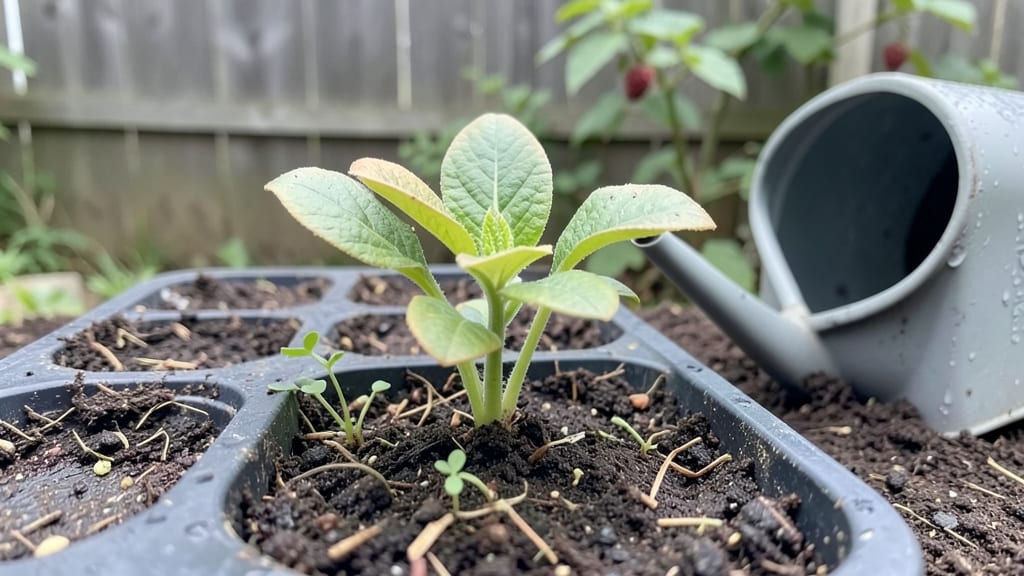
Seeds not sprouting can feel like a gardening mystery—until you know the five fast fixes that turn dead soil into thriving starts. I’ve lost count of the packets I’ve tossed out thinking they were duds, only to realize it was the moisture, temperature, or even how deep I planted them.
The good news? Most seed failures come down to just a few avoidable mistakes.
The biggest culprits are overwatering (which drowns seeds) or underwatering (which dries them out), along with soil that’s too cold or too hot. Even fresh seeds can fail if they’re buried too deep or planted in compacted soil.
The fix? Start with a simple soil temperature check—most seeds need warmth between 65-85°F—and adjust your watering to keep things consistently damp, not soggy. A spray bottle often works better than a watering can for precision.
Once you identify the issue, you’ll see sprouts within 3-10 days—sometimes even overnight if conditions are perfect. I’ve had trays of basil and marigolds pop up like magic after tweaking just one factor.
The key is testing one thing at a time: swap out old soil, use a heat mat for cool seasons, or try a different planting depth. Small changes make a huge difference.
This works for vegetables, flowers, and herbs alike, whether you’re starting indoors or direct-sowing in the garden. The same principles apply to heirlooms, hybrids, and even tricky seeds like peppers. Let’s get those seeds germinating—fast.
Hidden Barriers to Seed Growth
When your seeds refuse to sprout, the culprit is often invisible—hidden in the soil, environment, or even the seed itself. Understanding these silent roadblocks is the first step to unlocking successful germination. Let’s break down the most common reasons why seeds stay stubbornly dormant, along with the science behind them.
Not all seeds are created equal—and some may already be past their prime. Seed viability refers to a seed’s ability to germinate, and it declines over time due to natural aging, improper storage, or exposure to moisture or temperature extremes.
- How it happens: Seeds lose viability at different rates depending on the species. For example:
- Most vegetable seeds (like tomatoes, peppers, or beans) stay viable for 2–5 years if stored properly.
- Herb seeds (such as basil or cilantro) often last 1–3 years.
- Flowers (like marigolds or zinnias) may only remain viable for 1–2 years.
- Signs of old seeds:
- Hard, shriveled, or discolored seed coats.
- Seeds that float in water (a quick test—healthy seeds sink).
- Slow or inconsistent germination even under ideal conditions.
- Actionable fix:
- Test viability by soaking a few seeds in water overnight. If 50% or fewer swell, they may not be worth planting.
- Store seeds in a cool (35–40°F), dry (below 50% humidity), and dark environment (like a sealed container with silica gel).
- Buy fresh seeds from reputable suppliers, especially for heirloom or rare varieties.
Seeds need consistent moisture to activate enzymes that break down stored nutrients, but too much or too little water can halt germination. The balance is delicate—think of it like a sponge: not enough water, and the seed stays dry; too much, and it drowns in anaerobic conditions.
- Why it fails:
- Underwatering: Seeds need moisture to imbibe (absorb water), which triggers metabolic activity. Without it, the embryo remains dormant.
- Overwatering: Excess water displaces oxygen, creating a suffocating environment that prevents cellular respiration—the process that fuels growth.
- Poor drainage: Compacted or clay-heavy soil traps water, leading to root rot before sprouts even emerge.
- Science behind it:
- Germination requires 40–70% soil moisture (by weight) and oxygen levels above 10%.
- Seeds like lettuce or spinach need near-constant moisture, while tomatoes or peppers prefer slightly drier conditions once sprouted.
- How to fix it:
- Use a well-draining mix (e.g., 50% peat/coir, 30% perlite, 20% vermiculite) for starting seeds.
- Water bottom-up: Place trays in a shallow dish of water for 10–15 minutes, then drain excess. Avoid top-watering until sprouts appear.
- Keep humidity high (70–90%) with a clear plastic dome or humidity tent, but ventilate daily to prevent mold.
Seeds are picky about warmth—too hot or too cold, and they’ll sit idle like a hibernating bear. Each species has an optimal germination temperature range, and straying outside it can delay or prevent sprouting entirely.
| Seed Type | Ideal Temp Range (°F) | What Happens Outside Range |
|---|---|---|
| Cool-season crops (lettuce, spinach, peas) | 60–75°F (day) / 50–65°F (night) | Stunted growth or no germination if soil exceeds 80°F. |
| Warm-season crops (tomatoes, peppers, cucumbers) | 75–90°F (consistent) | Seeds rot if soil is below 60°F or stay dormant if too cool. |
| Herbs (basil, dill, parsley) | 70–80°F | Parsley may take 3+ weeks to sprout below 65°F. |
Pro tip: Use a seedling heat mat (set to 70–85°F) for warm-season seeds in cool climates. For cold-sensitive seeds, avoid placing trays near radiators or in direct sunlight.
Some seeds need darkness to germinate, while others require light—and planting them wrong can leave them confused (and unsprouted). This is tied to their natural habitat: seeds from shaded forests (like beans) often need darkness, while those from open fields (like carrots) need light to trigger growth.
- Seeds that need darkness:
- Beans, peas, tomatoes, peppers, eggplants.
- Plant 1/4–1/2 inch deep; covering them blocks light and mimics soil conditions.
- Seeds that need light:
- Lettuce, spinach, carrots, parsley, basil.
- Sow on the soil surface or press lightly into the top layer (no covering).
- What happens if you get it wrong:
- Darkness-loving seeds may rot if exposed to light (they think it’s time to grow, but their energy reserves aren’t ready).
- Light-dependent seeds may linger for weeks, waiting for the “signal” that never comes.
Unseen microbes can turn your seed-starting mix into a battleground. Fungal pathogens like Pythium or Fusarium thrive in moist, warm conditions, attacking seeds before they even break the surface. These infections cause damping-off, where seedlings collapse at the soil line—or worse, seeds never sprout at all.
- Red flags:
- Seeds rot in the soil without sprouting.
- Moldy, slimy, or foul-smelling soil.
- Healthy seeds planted in the same mix fail repeatedly.
Quick Fixes for Stubborn Seeds
When your seeds refuse to sprout, don’t toss them just yet! The right adjustments can turn things around—often faster than you think. Below, we’ve mapped the most common causes to practical, step-by-step fixes, plus pro tips to keep your seeds happy long-term.
Think of this as your troubleshooting cheat sheet for germination success.
Problem: Seeds need consistent moisture to "wake up," but too much or too little can stall germination. Solution:
- 💧 Step 1: Check moisture levels – Stick your finger 1 inch into the soil. If it feels dry, it’s time to water.
- 🍽️ Step 2: Water gently but thoroughly – Use a spray bottle or a fine-mist setting on your hose to avoid displacing seeds. Aim for damp (not soggy) soil.
- 🌡️ Step 3: Cover to retain humidity – Place a clear plastic dome, plastic wrap, or a humidity tray over your seed tray. Remove it daily for 10 minutes to prevent mold.
- 💡 Pro Tip: Bottom-watering (placing the tray in a shallow dish of water) can help without over-saturating the soil.
Prevention:
- Use a moisture meter or a mix of peat moss and perlite to balance drainage.
- Water at the same time daily (morning is ideal) to create predictability.
Problem: Most seeds germinate best in a cozy, stable environment—usually between 65–75°F (18–24°C). Extreme temps shock them into dormancy. Solution:
- 🌡️ Step 1: Move to the right spot –
- Too cold? Place seeds near a seedling heat mat (set to 70–75°F) or on top of your fridge.
- Too hot? Shift them to a shadier, cooler windowsill or basement (if humidity is controlled).
- 🍳 Step 2: Use a DIY heat source – Fill a plastic bottle with warm (not hot) water, cap it, and nestle it near your seeds. Replace every 12 hours.
- ⏰ Step 3: Monitor with a thermometer – A cheap digital probe ($10) can save you guesswork.
Prevention:
- Label seeds by temperature needs – Cool-loving veggies (like lettuce) thrive at 60–65°F, while peppers and tomatoes prefer 75–85°F.
- Avoid drafts – Keep seeds away from AC vents, open windows, or radiators.
Problem: Compacted, nutrient-poor, or improperly layered soil can suffocate seeds or bury them too deep. Solution:
- 🔪 Step 1: Refresh the growing medium –
- For small seeds (flowers, herbs): Use a sterile seed-starting mix (avoid garden soil—it’s too dense).
- For larger seeds (beans, peas): Mix in perlite or vermiculite (20%) to improve aeration.
- 📏 Step 2: Plant at the right depth –
- Rule of thumb: Depth = seed width × 2–3 times. Tiny seeds (like basil) go in lightly; big seeds (like beans) need 1 inch.
- Exception: Some seeds (e.g., poppies) need light to germinate—press them just into the soil surface.
- 💡 Pro Tip: If seeds are stuck in old, hard soil, soak the tray in warm water for 10 minutes to loosen it before replanting.
Prevention:
- Sterilize soil – Bake garden soil at 200°F for 30 minutes to kill fungi/bacteria.
- Use seed trays with drainage holes – Prevents waterlogging and root rot.
Problem: Seeds need indirect light to germinate, but direct sun or darkness can halt progress. Solution:
- ☀️ Step 1: Adjust light exposure –
- Not enough light? Move seeds to a south-facing window or under grow lights (12–16 hours/day).
- Too much direct sun? Use a sheer curtain or place them 2 feet back from the glass.
- 🔦 Step 2: Use a DIY light setup –
- Hang a fluorescent bulb (cool white or full-spectrum) 2–3 inches above seeds.
- LED grow lights ($20–$50) are energy-efficient and adjustable.
- 💡 Pro Tip: If seedlings are leggy (stretching toward light), they’re hungry—raise the light source gradually.
Prevention:
- Rotate trays daily – Ensures even light distribution.
- Avoid fluorescent bulbs with UV – They can "cook" seeds if too close.
Problem: Mold, damping-off, or tiny pests (like fungus gnats) can kill seeds before they sprout. Solution:
- 🚫 Step 1: Inspect for signs –
- Mold? White/fuzzy growth on soil = overwatering + poor airflow. Discard the soil and replant.
- Black stems? Damping-off fungus. Remove affected seedlings immediately.
- Tiny flies? Fungus gnats. They’re harmless but annoying.
- 🧼 Step 2: Clean and treat –
- For mold/fungus: Sprinkle cinco seed fungicide (follow label) or mix 1 tsp hydrogen peroxide per cup of water to water soil.
- For gnats: Let the topsoil dry between waterings or add sand to the surface (gnats lay eggs in moist soil).
- 💡 Pro Tip: Prevent pests by using sterilized tools and avoiding overcrowded trays.
Prevention:
- Water only the soil – Avoid wetting seed leaves to prevent fungal spores from clinging.
- Use a fan – A gentle breeze (from a small USB fan on low) reduces humidity and deters pests.
🎯 Final Reminder: Most seeds won’t sprout forever—if they’re still dry after 2–3 weeks (or 4–6 weeks for tough ones like parsley), they’re likely non-viable. But with these fixes, 90% of your seeds should break through in 7–14 days! 🌱✨
Frequently asked questions
1Why are my seeds sitting in damp soil but still not sprouting?
Even with moisture, seeds need the right conditions to break dormancy. Check your soil temperature—most seeds require 65-85°F to germinate. If it's too cold, try a heat mat or move them to a warmer spot. Also verify seed viability by testing a few in warm water overnight—if they don't swell, they may be too old.
2Can I speed up germination for stubborn seeds like parsley?
Yes! For slow germinators, try soaking seeds in warm water for 12-24 hours before planting, then use a heat mat (75-85°F) and keep soil consistently moist. Some seeds (like parsley) may take 3-4 weeks, but they'll eventually emerge if conditions are ideal. Patience is key!
3What's the fastest way to test if my seeds are still viable?
Do the "paper towel test": Place 10 seeds between damp paper towels in a sealed container. Keep them in a warm spot (70°F) and check daily. If 50% or more sprout within 7-14 days, your seeds are good. If fewer than half sprout, they're likely past their prime.
4Is it better to plant seeds too shallow or too deep?
Too deep suffocates seeds (they can't reach light), while too shallow dries them out. Follow the "seed width rule": Plant most seeds 2-3 times their width deep. Tiny seeds (like lettuce) need just 1/4 inch cover, while larger seeds (like beans) can go 1 inch deep. Always check the seed packet!
5Why do some seeds sprout in days while others take weeks?
Germination speed depends on the plant species, seed age, and conditions. Fast growers (like radishes) sprout in 3-5 days under ideal warmth and moisture, while slow starters (like parsley) may take 3-4 weeks. Warm-season crops (peppers, tomatoes) also need consistent 75-85°F soil to avoid delays.