
Vegetables
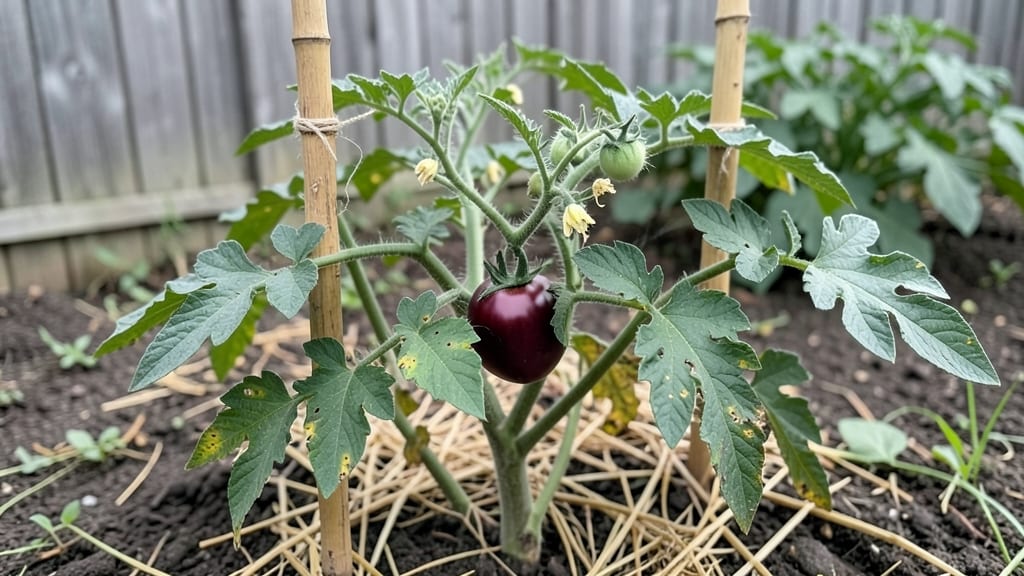
Growing Ananas Noire tomato seeds unlocks tiny black cherry tomatoes that taste like sun-ripened sweetness with a hint of tropical tang. I’ve grown this heirloom for three seasons, and every bite reminds me why heirlooms are worth the extra care—these aren’t your average cherry tomatoes.
They’re glossy, deep purple-black when ripe, and pack a complex flavor that turns heads at farmers' markets.
The secret to success starts with patience—these seeds need 75-85°F soil to germinate, and they take 10-14 days to sprout. Use a seed-starting mix with perlite for drainage, and keep humidity high until those first leaves unfurl.
Once planted outdoors after frost, they thrive in full sun (6-8 hours daily) and well-draining soil with a pH of 6.0-6.8. The key? Consistent moisture—never soggy soil, but never let them dry out either.
By midsummer, you’ll be snipping clusters of 1-inch black jewels that burst with flavor. These tomatoes don’t travel well, so eat them fresh or preserve them quickly. The vines are compact (3-4 feet tall), making them perfect for containers or small gardens.
Just watch for cracking if rains follow dry spells—mulch heavily to prevent this common issue.
Here’s the best part: these tomatoes keep producing until frost. One plant fed my family dozens of servings over two months, and the seeds saved from this year’s harvest will give you next season’s crop. Start yours now, and you’ll be tasting the exotic in your own backyard by July.
📚 In This Guide
- What you need
- Instructions
- Tips and common mistakes
- Wrapping up and next steps
What you need
- ● Ananas Noire tomato seeds – 5–10 seeds (or a small packet for multiple plants)
- ● Seed-starting mix – 1–2 gallons of sterile, well-draining potting soil (avoid garden soil)
- ● Seed trays or small pots – 2–4 (3–4 inches deep) with drainage holes
- ● Grow lights or sunny windowsill – 6–8 hours of light daily (south-facing window or LED grow lights work best)
- ● Misting bottle or spray nozzle – For gentle watering
- ● Plastic wrap or humidity dome – To retain moisture while seeds germinate
- ○ Fertilizer (optional but helpful) – Balanced liquid fertilizer (e.g., 10-10-10) or compost tea for seedlings
- ● Transplant containers or garden space – 5-gallon pots or a well-prepared garden bed (after last frost)
- ● Heating mat ($10–$20) – Speeds up germination (70–80°F ideal)
- ● pH test kit ($5–$10) – Ensures soil pH is 6.0–6.8 for optimal growth
- ● Cage or trellis – Supports vining plants (Ananas Noire can grow 4–6 ft tall!)
- ● Epsom salt (magnesium sulfate) – A pinch in water every 2 weeks boosts flower/fruit production
- ● Compost or worm castings – Adds nutrients to soil for healthier plants
Step-by-step instructions for growing Ananas Noire tomato seeds
Here's how I transform tiny Ananas Noire seeds into vibrant, heirloom tomato plants ready for your garden.
Prepare the Seed Starting Environment
Ananas Noire seeds require warmth and consistent moisture to germinate successfully. Begin by filling your seed-starting trays with the seed-starting mix to within ¼ inch of the rim. Gently press the mix down to eliminate air pockets but avoid compacting it—this ensures even moisture distribution and root penetration.
Place the trays on a seedling heat mat set to 75-85°F. This temperature range accelerates germination, which typically occurs within 7-14 days. If you don’t have a heat mat, position the trays in the warmest part of your home, such as near a south-facing window or on top of the refrigerator. Consistency is key—fluctuating temperatures delay or prevent germination entirely.
Sow the Seeds at the Correct Depth
Ananas Noire seeds are small but potent, so handle them with care. Using a toothpick or your fingertip, create a ¼-inch-deep indentation in the soil for each seed. Place 1-2 seeds per cell—this accounts for potential germination failures and ensures you have at least one strong seedling per cell. Cover the seeds lightly with a fine layer of additional seed-starting mix, just enough to obscure them from view.
Mist the soil surface with a spray bottle until evenly moist but not saturated. Overwatering at this stage can dislodge seeds or create anaerobic conditions that inhibit germination. Once sown, cover the tray with a clear plastic dome or plastic wrap to retain humidity. Check daily for condensation on the dome—this indicates the ideal moisture level. Remove the dome as soon as you see the first signs of sprouts to prevent fungal growth.
Provide Optimal Light and Airflow
As soon as the seedlings emerge, remove the dome and position them under a grow light or in a south-facing window where they’ll receive 14-16 hours of light daily. Ananas Noire seedlings are prone to legginess—those elongated, weak stems—if they don’t get enough light. You’ll notice this when stems stretch toward the light source, and leaves grow sparse and pale. To prevent this, keep the grow light 2-3 inches above the seedlings and adjust the height as they grow.
Ensure good airflow by placing a small fan on a low setting near the seedlings. This strengthens stems and reduces the risk of damping-off, a fungal disease that causes seedlings to collapse suddenly. Aim for a gentle breeze—you should see the seedlings sway slightly but not be blown over. Monitor their progress closely; within 3-4 weeks, you’ll see the first true leaves (the second set of leaves after the initial cotyledons) emerge, signaling it’s time to consider transplanting.
Harden Off and Transplant Seedlings
Two weeks before your last frost date, begin the hardening-off process. Start by placing the seedlings outside in a sheltered, shaded area for 1-2 hours on the first day. Gradually increase their outdoor time by 1 hour daily, moving them to a sunnier location as they acclimate. This process mimics natural conditions and prepares the seedlings for life in the garden. By the end of the two weeks, they should be able to tolerate a full day outside without wilting.
When transplanting, choose a sunny spot in your garden that receives at least 6-8 hours of direct sunlight daily. Ananas Noire thrives in well-draining soil with a pH of 6.0-6.8. Dig a hole slightly larger than the seedling’s root ball and place the plant in, ensuring the soil line on the stem is level with the surrounding soil. Gently firm the soil around the base and water deeply to eliminate air pockets. Space seedlings 18-24 inches apart to allow for adequate airflow and growth.
Tips & tricks for perfect Ananas Noire seedlings
Growing Ananas Noire from tiny seeds reveals the secret to cultivating these exotic black cherry tomatoes—here's how to maximize your success at every stage.
Heat Mat Precision: The 75-85°F temperature range on your seedling heat mat is non-negotiable for germination. I've found that placing a thermometer directly on the heat mat surface gives more accurate readings than relying on the mat's built-in gauge. If your home's warmest spot (like on top of the refrigerator) can't maintain this range consistently, consider using a small portable heat lamp instead. The goal is to keep soil temperatures stable within this window—fluctuations of just 5°F can delay germination by several days.
Seed Depth Technique: That ¼-inch depth for sowing isn't just arbitrary—it's the perfect balance between light exposure and moisture retention for Ananas Noire seeds. I use a fine-tip marker to trace the ¼-inch depth around each cell before sowing, which helps maintain consistency across multiple trays. For extra precision, you can also use a toothpick marked with a permanent marker at the ¼-inch point. Remember, these seeds need darkness to germinate but won't tolerate being buried too deeply.
Light Management Strategy: The 14-16 hours of daily light is crucial for preventing legginess, but don't assume all grow lights are equal. I've had best results with full-spectrum LED grow lights positioned 2-3 inches above the seedlings. If using natural light from a south-facing window, rotate your trays daily to ensure even growth—windowsills often create "hot spots" where one side gets significantly more light than the other. Watch for that telltale stretching toward the light source; it's your first warning sign that adjustments are needed.
Harden-Off Gradually: The two-week hardening-off process might seem tedious, but it's the difference between resilient plants and fragile seedlings. I start with just 1-2 hours in partial shade on the first day, then increase time incrementally. Pro tip: Use small plant clips or stakes to support seedlings during this transition—they'll be more vulnerable to wind as they acclimate. By the final day when they're outside all day, your seedlings should be standing tall without wilting, ready to face the elements.
Pro Tips for Ananas Noire Tomato Seeds
- Growing Ananas Noire from tiny seeds reveals the secret to cultivating these exotic black cherry tomatoes—here's how to maximize your success at every stage.
- Heat Mat Precision: The 75-85°F temperature range on your seedling heat mat is non-negotiable for germination.
- Seed Depth Technique: That ¼-inch depth for sowing isn't just arbitrary—it's the perfect balance between light exposure and moisture retention for Ananas Noire seeds.
Frequently asked questions
How long does it take for Ananas Noire tomato seeds to germinate?
Germination usually takes 7–14 days at 70–85°F (21–29°C). Keep soil consistently moist (not soggy) and in a warm, bright spot—no direct sunlight yet!. If seeds don’t sprout in 3 weeks, try gently pressing them into fresh, damp soil or checking for rot.
When can I transplant Ananas Noire seedlings outdoors?
Wait until nighttime temps stay above 50°F (10°C) and all frost risk has passed. Seedlings should have 2–3 sets of true leaves and be hardened off (acclimated to outdoor conditions) for 7–10 days first. Plant in well-draining soil with support (cages or stakes)—these vines get heavy!
Why aren’t my Ananas Noire tomatoes turning black?
These tomatoes ripen to deep purple-black, but color depends on sunlight, heat, and maturity. If they’re staying red-orange, check for:
Yes! Use a 5-gallon+ pot with drainage holes and balanced fertilizer. Choose a determinate variety (if available) or prune heavily to control size. Ensure pots get full sun and water consistently—container soil dries faster. Add tomato cages early to support the weight!
Let a few tomatoes fully ripen and overripen on the vine (they’ll get mushy). Scoop out the gel and seeds, ferment them in water for 2–3 days (this removes pulp), then rinse and dry on a paper towel. Store seeds in a cool, dark place for up to 2 years. Fun fact: These seeds are non-GMO and true to type!
Pro tip: Harvest when they’re dark purple—they’ll deepen after picking!
Can I grow Ananas Noire tomatoes in containers?
What’s the best way to save seeds from Ananas Noire tomatoes?
Wrapping up and next steps
Growing Ananas Noire tomatoes from tiny seeds is a rewarding journey that blends exotic flavors with the joy of nurturing life. These striking black cherry tomatoes aren’t just visually stunning—they’re packed with bold, fruity sweetness that’ll make your garden (and your plate!) stand out.
Whether you’re a seasoned gardener or a curious beginner, these seeds offer a fun, flavorful challenge worth taking on.
Ready to dive in? Start by gathering your supplies—seeds, soil, and a little patience—and let your green thumb shine! Plant those seeds today and get ready to harvest a taste of the extraordinary. 🌱✨