Leaf Blower
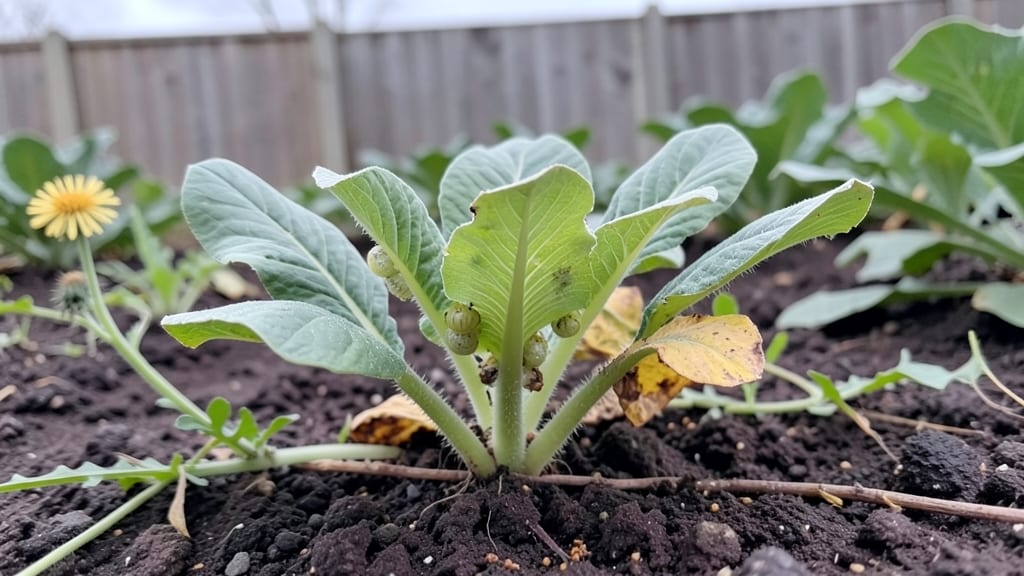
Seedling leaf curl can turn your hopeful little sprouts into sad, twisted messes before they even get a chance to grow. 🌱 I’ve watched this happen to my own seedlings more times than I’d like to admit, but I’ve also learned how to spot it early and fix it before it’s too late.
The good news? Most cases aren’t fatal if you catch them in time—and the solutions are simpler than you might think.
Leaf curl usually shows up as puckered, rolled, or distorted leaves, often paired with stunted growth or yellowing. The culprits are usually pests like aphids or spider mites, environmental stress from uneven watering or temperature swings, or even fungal infections if the seedlings are crowded and damp.
I’ve seen it start as early as two weeks after germination, so keeping an eye on your tray is key.
Once you identify the problem, the fix depends on the cause. For pests, a strong spray of water or neem oil usually does the trick. If it’s fungal, improve airflow and reduce watering.
The goal is to get those leaves flattening out and growing straight again—because healthy seedlings mean stronger plants down the road.
Prevention is where the real magic happens: use well-draining soil, avoid overcrowding, and keep an eye out for early signs. Trust me, a little vigilance now saves hours of heartache later. Let’s get those seedlings back on track!
Root Causes of Young Leaf Distortion
Understanding why seedlings develop curled leaves is the first step to preventing and treating the issue. The problem often stems from a mix of environmental stressors, pest activity, or underlying plant health issues.
Below, we break down the most common culprits—each with a clear scientific explanation and actionable insights to help you address them effectively.
Seedlings are delicate, and extreme or fluctuating temperatures can cause leaf curl as a survival mechanism. When exposed to heat stress (above 85°F or 29°C), young plants may curl their leaves to reduce water loss through transpiration.
Conversely, cold stress (below 50°F or 10°C) can disrupt cell metabolism, leading to stunted growth and curling.
- Why it happens: High temperatures cause ethylene gas buildup, a plant hormone that triggers curling as a stress response.
Low humidity exacerbates the issue by drying out leaves faster. - Actionable fix: - Provide shade cloth (30-50% coverage) to protect seedlings from direct sunlight. - Use row covers or greenhouses to maintain stable humidity (aim for 40-60%). - Water seedlings early in the morning to allow excess moisture to evaporate before evening. - Avoid planting in low-lying areas where cold air pools overnight.
Pests like aphids, spider mites, and whiteflies are notorious for curling leaves as they feed on sap. Their saliva contains toxins that distort leaf tissue, while fungal infections (e.g., powdery mildew) can cause curling as the plant tries to limit pathogen exposure.
- Why it happens:
- Aphids inject saliva that alters plant growth hormones, leading to puckering and curling.
- Spider mites suck cell contents, causing necrotic (dead) spots and curling along leaf edges.
- Fungal pathogens (e.g., Erysiphe spp.) create a protective layer that restricts gas exchange, forcing leaves to curl inward.
- Actionable fix:
- Inspect leaves daily under a magnifying glass for tiny pests or webbing.
- Spray with neem oil (1 tsp per quart of water) or insecticidal soap for mild infestations.
- Introduce beneficial insects like ladybugs or lacewings to control aphids naturally.
- Remove infected seedlings immediately to prevent spread—do not compost them.
Improper watering is a leading cause of seedling leaf curl. Both overwatering (leading to root rot) and underwatering (causing dehydration) disrupt nutrient uptake and cellular function.
- Why it happens: - Overwatering: Soggy soil cuts off oxygen to roots, triggering anaerobic stress.
The plant curls leaves to conserve energy. - Underwatering: Leaves lose turgor pressure (rigidity) as cells collapse from dehydration, causing them to curl upward. - Actionable fix: - Check soil moisture by sticking your finger 1 inch deep—water only if it’s dry. - Use well-draining soil mixes (e.g., 60% potting soil, 30% perlite, 10% compost). - Water at the base (not overhead) to prevent fungal growth and evaporation. - Mulch lightly with straw or coconut coir to retain moisture without suffocating roots.
Seedlings require a balanced NPK ratio (Nitrogen-Phosphorus-Potassium) and micronutrients like magnesium, calcium, and boron. Deficiencies or excesses in these nutrients can cause curling as the plant struggles to function normally.
- Why it happens: - Nitrogen deficiency: Leaves may curl and turn yellow (chlorosis) as the plant prioritizes root growth over foliage. - Potassium deficiency: Leaves curl and develop necrotic edges due to poor water regulation. - Boron toxicity: Excess boron (common in tap water) causes leaf cupping and stunting. - Actionable fix: - Test soil pH (ideal: 6.0–7.0 for most seedlings).
Adjust with lime (to raise pH) or sulfur (to lower pH). - Use a balanced fertilizer (e.g., 10-10-10) at half-strength to avoid burning young roots. - Flush soil every 4–6 weeks with water to prevent salt buildup from fertilizers. - Avoid hard water for watering—use rainwater or distilled water if boron levels are high.
Seedlings with delicate stems can curl leaves due to mechanical stress, such as rough handling, wind, or hail. Even overcrowding forces leaves to compete for light, leading to distortion.
- Why it happens:
- Wind damage: Whipping leaves can cause abrasions and curling as cells rupture.
- Overcrowding: Shaded leaves stretch and curl to reach sunlight, a condition called etiolation.
- Transplant shock: Disturbing roots during repotting can disrupt water and nutrient flow, causing temporary curling.
- Actionable fix:
- Stake or cage tall seedlings (e.g., tomatoes, peppers) to prevent wind damage.
- Thin seedlings to 12–18 inches apart for adequate airflow and light.
- Hardening off seedlings gradually before transplanting to reduce shock.
- Use a fan on low setting (24/7) to strengthen stems and prevent lodging.
Fixing Young Plant Leaf Issues
Once you’ve identified the cause behind your seedlings’ leaf curl, the next step is taking action—whether that’s treating the problem or preventing it from returning. Below, we’ve broken down practical solutions tailored to each root cause, along with tips to keep your seedlings thriving.
If your seedlings are drowning in soggy soil, their leaves curl as a distress signal. Here’s how to correct it:
- 🔥 Stop Watering Immediately Let the top 1–2 inches of soil dry out before watering again. Stick your finger in the soil—if it’s damp past your first knuckle, wait.
- 🍳 Improve Soil Drainage Mix in perlite, vermiculite, or coarse sand (10–20% of the potting mix) to help water flow through. For container plants, ensure pots have drainage holes.
- 👨🍳 Repot if Necessary If the soil is compacted or waterlogged, transfer seedlings to a well-draining mix (like a 50/50 blend of potting soil and perlite).
- ⏰ Adjust Your Watering Routine Water early in the day (6–9 AM) so excess moisture evaporates. Avoid overhead watering—use a watering can with a narrow spout or drip irrigation.
💡 Pro Tip: Group seedlings together to create a microclimate—this reduces evaporation and keeps roots consistently moist without overwatering.
Extreme temperatures cause leaves to curl as a protective response. Here’s how to stabilize their environment:
- 🌡️ Shield from Direct Sun Move seedlings to a shadier spot (e.g., under 30–50% shade cloth) if they’re wilting or curling in hot sun. South-facing windows or midday sun are often too intense.
- 🏡 Use Row Covers or Cloche For cold stress, drape lightweight row covers or place clear plastic domes over seedlings to trap heat. Remove them during the day if temps rise above 70°F (21°C).
- 💧 Boost Humidity Place a shallow tray of water near seedlings or use a humidifier to combat dry air. Grouping plants together also helps retain moisture.
- ✨ Acclimate Gradually If hardening off seedlings, do it slowly—expose them to outdoor conditions for 10–15 minutes daily, increasing time over 1–2 weeks.
If insects or pathogens are to blame, act fast to prevent spread:
🐜 For Spider Mites or Aphids
- 🔥 Blast Off Pests Spray seedlings with a strong stream of water to knock off pests. Repeat every 2–3 days.
- 🍳 Apply Neem Oil or Insecticidal Soap Mix 1 tsp neem oil + 1 tsp mild soap per quart of water, spray under leaves, and reapply every 5–7 days.
- 🌿 Introduce Beneficial Insects Release ladybugs or lacewings (available at garden centers) to prey on mites and aphids naturally.
🍄 For Fungal Issues (Powdery Mildew, etc.)
- 🔪 Prune Infected Leaves Snip off curl-edged or white-coated leaves with clean scissors, then dispose of them (don’t compost).
- 💧 Space Plants for Airflow Thin out seedlings so they’re 2–3 inches apart to reduce humidity buildup.
- 🌡️ Use Fungicide Sprays Apply baking soda spray (1 tsp baking soda + 1 quart water + a drop of soap) or copper fungicide weekly until the issue clears.
💡 Pro Tip: Always spray early in the morning so leaves dry quickly, preventing fungal growth.
Yellowing or curling leaves may signal a hunger for key nutrients. Here’s how to feed them right:
- 📊 Test Your Soil Use a DIY soil test kit (or send a sample to a lab) to check pH and nutrient levels. Ideal pH for seedlings: 6.0–7.0.
- 💪 Fertilize Lightly Use a balanced, water-soluble fertilizer (like 10-10-10) at half-strength every 2–3 weeks. Over-fertilizing burns roots!
- 🥗 Boost Specific Nutrients
- For nitrogen deficiency (pale yellow leaves): Add compost tea or a fish emulsion.
- For magnesium deficiency (yellow edges): Sprinkle Epsom salt (1 tbsp per gallon of water) every 2 weeks.
- 🍎 Avoid Synthetic Fertilizers Early On Seedlings thrive on gentle feeding. Stick to organic options (like worm castings) for the first 4–6 weeks.
The best cure? Stop issues before they start. Try these long-term fixes:
- 🌡️ Monitor Weather Conditions Use a small thermometer/hygrometer near seedlings to track temperature and humidity. Aim for 65–75°F (18–24°C) and 40–60% humidity.
- 💧 Water Consistently Stick to a schedule (e.g., every 2–3 days) rather than guessing. Drip irrigation or self-watering pots help maintain steady moisture.
- 🍄 Practice Crop Rotation If replanting in the same spot, rotate seedling varieties yearly to prevent soil-borne diseases from lingering.
- 🌱 Choose Resistant Varieties Opt for disease-resistant seed strains (check seed packets) if your area has recurring pest/disease issues.
By tackling the root cause and adjusting care routines, your seedlings should uncurl and grow strong within days. Keep an eye on them, and don’t hesitate to tweak your approach—healthy plants are worth the effort!
Frequently asked questions
Why do my seedlings develop curled leaves so quickly?
Seedlings often curl leaves within days due to their delicate nature. Common triggers include temperature swings (above 85°F or below 50°F), pest infestations like aphids or spider mites, or watering issues (either overwatering or underwatering). Their small size makes them highly sensitive to stress, so even minor environmental changes can cause curling within 24–48 hours.
Can seedling leaf curl spread to other plants?
Yes, if the cause is pests or fungal diseases, it can spread quickly. Aphids and spider mites crawl between plants, while fungal spores travel through water or air. To prevent this, isolate affected seedlings immediately and treat them separately. Remove any severely infected plants and avoid composting them to stop the spread.
How do I tell if leaf curl is from pests or environmental stress?
Check the undersides of leaves for tiny pests, webbing, or sticky residue (honeydew). Environmental stress usually causes uniform curling across all leaves, while pests often create irregular distortion and may leave visible damage. Also, pests often appear first on the youngest leaves, while environmental stress affects older leaves too.
Will my seedlings recover if I fix the problem early?
Seedlings are resilient, and if you address the issue within 3–5 days, they’ll often uncurl and grow straight again. Focus on correcting the root cause—whether it’s adjusting watering, improving airflow, or treating pests—and monitor progress. New growth should appear healthy within 1–2 weeks if the environment stabilizes.
Can I use household items to treat seedling leaf curl?
Yes! For pests, try a spray of water or a mix of 1 tsp neem oil + 1 tsp mild soap per quart of water. For fungal issues, a baking soda spray (1 tsp baking soda + 1 quart water + a drop of soap) works well. Avoid harsh chemicals—seedlings are sensitive, so always test solutions on a small area first.