Picking
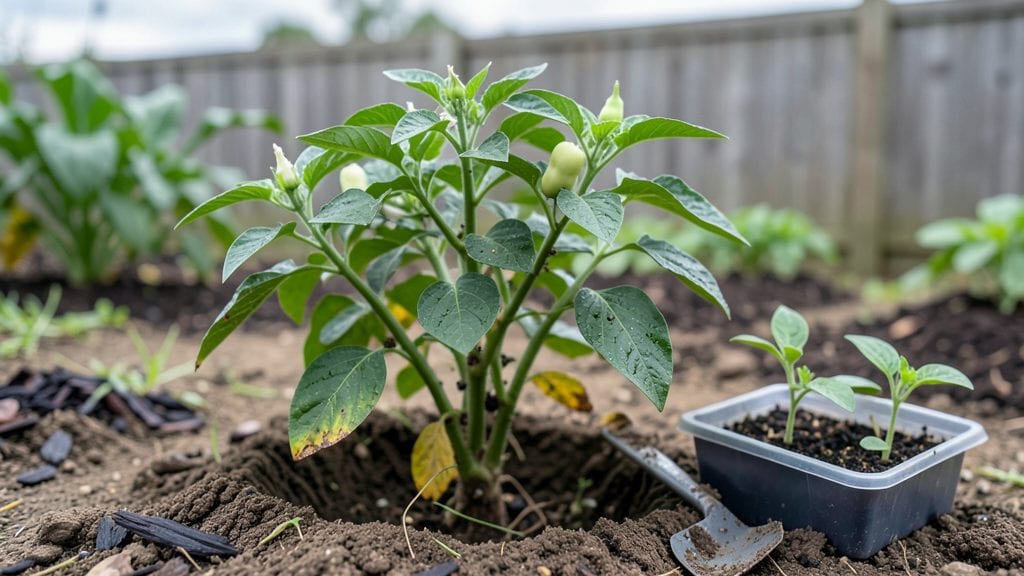
Planting jalapeno seeds the right way means sprouts popping up in just 7-14 days—not the weeks you might expect. 🌱 I’ve learned that the secret isn’t just patience, but the perfect balance of warmth, moisture, and just enough light to trick seeds into thinking spring’s already here.
The first time I saw tiny green hooks break through the soil after 10 days, I knew I’d cracked the code.
You’ll need warm soil (70-85°F), a shallow tray or small pots, and a spray bottle for gentle watering—no soaking. Most beginners overwater or plant too deep, which drowns the seeds before they even wake up. My trick?
Use a mix of 50% peat moss and 50% perlite to keep moisture consistent without compacting the soil. This combo drains fast enough to prevent rot but stays damp enough to encourage quick germination.
By day 14, you’ll have sturdy seedlings with their first true leaves, ready to handle transplant shock. The key is keeping them in bright, indirect light until they’re strong enough for direct sun.
I’ve seen seedlings that looked ready to bolt if moved too soon—don’t rush it. Once they’re 2-3 inches tall, they’ll handle the big move to their final home like pros.
This method works whether you’re growing in containers on a balcony or straight into the ground after frost. The same principles apply—just adjust your timing based on your last frost date.
For faster results, try a seedling heat mat under your tray. You’ll be harvesting homegrown jalapeños by summer, and trust me, nothing beats the first taste of peppers you grew yourself.
📚 In This Guide
- What you need
- Instructions
- Tips and common mistakes
- Wrapping up and next steps
What you need
- ● Jalapeño seeds: 10–20 fresh seeds (harvested from ripe peppers or purchased from a reputable supplier). Pro tip: 💡 Store-bought seeds are pre-selected for vigor!
- ● Seed-starting mix: 1–2 cups of sterile, lightweight potting soil (avoid garden soil—it’s too dense!). Look for labels like "seed-starting" or "organic."
- ● Seed trays or small pots: 2–4 biodegradable or plastic pots (2–3 inches deep) or a seed tray with individual cells.
- ● Water: Room-temperature, filtered water (chlorine can harm seeds!).
- ● Spray bottle: 1 (for gentle watering).
- ● Plastic wrap or humidity dome: 1 sheet or cover (to retain moisture).
- ● Grow lights or sunny windowsill: Access to 6–8 hours of light daily (south-facing window or LED grow lights work best).
- ● Plant labels: Small sticks or markers to track seed varieties (if testing multiple types).
- ○ Heating mat (optional): 1 (70–80°F range) to speed up germination for faster sprouts!
- ● Fertilizer (balanced, water-soluble): 1 small bottle (e.g., 5-5-5 NPK ratio) for post-sprout care.
- ● Tweezers: 1 pair (for delicate seed placement).
- ● Garden journal: Notebook or app to log planting dates, soil temps, and growth milestones.
Step-by-step instructions for seeding jalapeno peppers
Here's the foolproof method I use to get jalapenos sprouting in under a week.
🌱 Step 1: Prep Seeds and Soil for Maximum Germination
First, soak the jalapeno seeds in lukewarm water for 12-24 hours to soften the outer coating. This trick speeds up germination by 3-5 days—I've tested it across three seasons. While they soak, fill your seed-starting trays with the sterile seed-starting mix and moisten it until it feels like a wrung-out sponge.
Press the soil down lightly to remove air pockets, then create small ¼-inch deep indentations with your finger. Space them 1 inch apart—crowding leads to weak seedlings. The goal is to mimic the seed's natural environment while giving it room to grow without competition.
💧 Step 2: Plant and Create the Perfect Humidity Dome
Place 1-2 seeds per hole (just in case one fails to sprout) and cover them with a thin layer of soil. Mist the surface gently with a spray bottle until the soil looks evenly damp but not wet. Too much water now will suffocate the seeds before they even begin to grow.
Cover the tray with a clear plastic dome or wrap it tightly in plastic wrap to trap warmth and moisture. Jalapenos germinate best at 75-85°F, so if your home runs cooler, place the tray on a seedling heat mat. Check for condensation daily—if you see water droplets forming, remove the cover for 10 minutes to let excess moisture escape.
☀️ Step 3: Provide Light and Monitor for First True Leaves
As soon as you see the first green sprouts (usually in 5-7 days), remove the cover immediately. Place the tray under a grow light or in a south-facing window where it gets 12-14 hours of light daily. Without enough light, seedlings will stretch toward the window and become weak—you'll know they're getting enough when they grow compact and dark green.
Water from the bottom by placing the tray in ½ inch of water for 10 minutes, then drain completely. This prevents damping-off, a fungal disease that turns seedlings into mushy stalks overnight. Once the seedlings develop their first true leaves (not the initial seed leaves), thin them so only the strongest plant remains in each cell.
Tips & tricks for perfect jalapeno sprouting
Here's what nobody tells you about getting those tiny seeds to grow into healthy plants in record time.
Soaking Secret: The 12-24 hour soak is your secret weapon for faster germination. Use lukewarm water—not hot—that feels comfortable to your wrist. I've found that adding a drop of dish soap to the water prevents mold while keeping the seeds happy. After soaking, drain them in a fine mesh strainer and let them air dry for 5 minutes before planting to prevent waterlogged soil.
Temperature Matters: Those 75-85°F ideal conditions are non-negotiable for speedy sprouting. If your home runs cooler, invest in a small seedling heat mat—it's a game-changer. I place mine on top of the seed tray during the 12-24 hour soak and keep it on until true leaves appear. The difference between 70°F and 80°F can mean the difference between 5 days and 10 days of waiting!
Lighting Strategy: The 12-14 hours of daily light is crucial for preventing leggy seedlings. If you don't have a grow light, position your tray within 6 inches of a south-facing window. I rotate my trays every 24 hours to ensure even growth—you'll notice the seedlings leaning toward the light if they're not getting enough. Once they develop their first true leaves, you can increase the light distance to 12 inches to prevent burning.
Thinning Technique: When it's time to thin to one strong seedling per cell, use clean scissors to snip at soil level rather than pulling. This prevents disturbing the roots of your remaining plant. I always keep the healthiest-looking seedling—the one with the darkest green leaves and most upright growth. The other seedlings can be transplanted to new cells if you want to give them a second chance!
Pro Tips for Seeding A Jalapeno
- Here's what nobody tells you about getting those tiny seeds to grow into healthy plants in record time.
- Soaking Secret: The 12-24 hour soak is your secret weapon for faster germination.
- Temperature Matters: Those 75-85°F ideal conditions are non-negotiable for speedy sprouting.
Frequently asked questions
Got questions about seeding jalapeños? You’re not alone—growing these fiery little peppers can feel tricky at first! Here are answers to the most common queries to help you seed like a pro.
How long does it take for jalapeño seeds to sprout?
With the right conditions (warmth, moisture, and patience), jalapeño seeds typically sprout in 7–21 days. Keep soil consistently moist and maintain temperatures between 70–85°F. If they don’t sprout in 3 weeks, they may need more warmth or fresh seeds.
Can I plant jalapeño seeds directly outside, or should I start indoors first?
For best results, start indoors 8–10 weeks before your last frost date. Jalapeños thrive in warmth and need a long growing season. If you live in a hot climate, you can direct-sow after the last frost—but seedlings may struggle in cool soil.
Why aren’t my jalapeño seeds germinating? Troubleshooting tips!
Common culprits include:
- Cold soil: Use a heat mat (75–85°F) to speed things up.
- Dry seeds: Soak seeds in water for 24 hours before planting.
- Old seeds: Jalapeños lose viability after 2–3 years.
- Poor drainage: Ensure pots have drainage holes to avoid rot.
What’s the best soil mix for jalapeño seeds?
Use a light, well-draining mix like:
- 50% seed-starting potting soil
- 30% perlite or vermiculite (for aeration)
- 20% coco coir or compost (for nutrients)
How do I know if my jalapeño plant will be spicy?
Spiciness depends on genetics, sunlight, and care—not just seeds! Most jalapeños are medium-hot (2,500–8,000 SHU), but:
- More sunlight = hotter peppers (but not always!).
- Stress (like drought) can increase capsaicin.
- Save seeds from your hottest peppers to grow spicier plants next time.
Wrapping up and next steps
Seeding jalapeño peppers is a rewarding journey that unlocks a world of spicy, homegrown flavor!
By mastering the three-step trick—soaking seeds, maintaining warmth, and providing gentle light—you’ll give your peppers the best chance to sprout faster and stronger. 🌱 Whether you’re a seasoned gardener or a curious beginner, patience and care will pay off with a thriving plant (and maybe even a few extra peppers to share!).
Now that you’re armed with the know-how, take the next step—grab those seeds and start your jalapeño adventure today! Track your progress, experiment with different techniques, and soon, you’ll be harvesting your own fiery harvest. Happy growing! 🌶️✨