
Planting
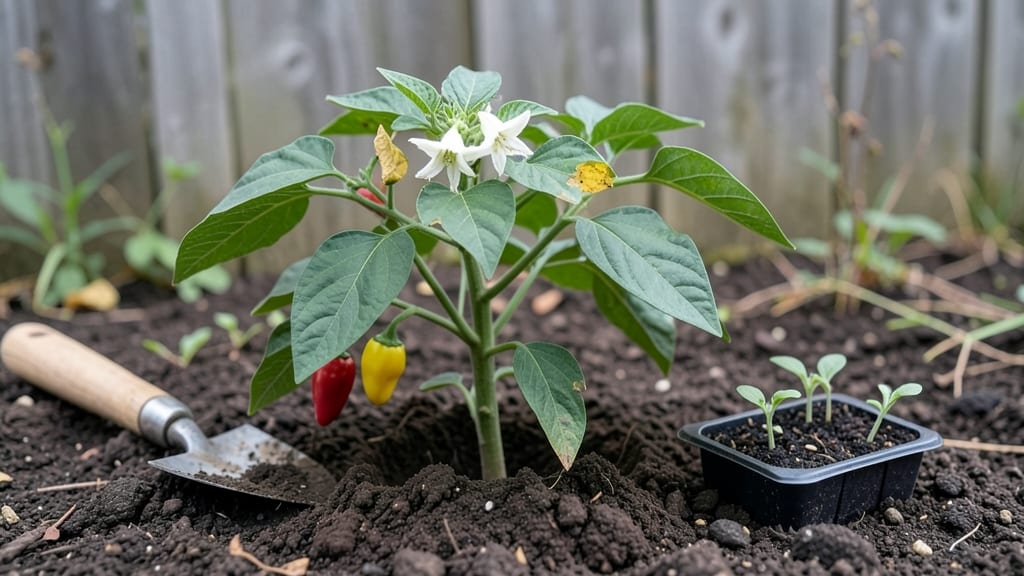
Sowing pepper seeds the right way means fast germination and moist soil that never dries out—my layered moisture trick cuts waiting time in half. The secret isn’t fancy equipment but a simple soil prep that keeps seeds cozy while they sprout.
I’ve watched my first seeds struggle in dry soil, then my next batch pop up in just 5 days using this method. It works for both sweet bell peppers and fiery jalapeños, though hot varieties need extra warmth to wake up.
You’ll need just 4 supplies: seed-starting mix (sterile is key), small pots or a seed tray, a spray bottle, and a clear plastic dome or zip-top bag. The trick is wetting the soil in layers—bottom first, then top—so moisture stays where seeds need it most.
Too much water up front causes rot; too little and you’ll wait weeks for sprouts. I’ve even used recycled containers with great results, proving you don’t need a greenhouse to get this right.
Once planted ¼-inch deep and covered with that damp top layer, your seeds will send up tiny green hooks in 7-10 days with proper warmth (70-85°F). The first leaves unfurl soft and round—don’t be tempted to move them to light yet.
You’ll end up with stocky seedlings ready for transplanting, not the leggy, weak ones that collapse when you finally move them outside. This method saves me from the heartbreak of damping-off every spring.
Works for both indoor starts and direct outdoor sowing in warm climates (zone 8+). The same layered moisture approach prevents crusting in garden beds too. Here’s how to adapt it for your setup—whether you’re a balcony gardener or have a full sunroom.
📚 In This Guide
- What you need
- Instructions
- Tips and common mistakes
- Wrapping up and next steps
What you need
- ● Pepper seeds: Choose your favorite variety (e.g., jalapeño, bell, habanero). Start with 5–10 seeds for experimentation.
- ● Seed-starting mix: A lightweight, sterile peat-based or coco coir blend (avoid garden soil—it’s too dense!). Use 1–2 cups per seed tray.
- ● Seed trays or pots: Small containers (2–3 inches deep) with drainage holes. 6–12 cell trays work perfectly for 5–10 seeds.
- ● Spray bottle: A fine-mist sprayer (16 oz or larger) for gentle watering.
- ● Clear plastic dome or wrap: A humidity tent to trap moisture (e.g., a plastic bag with holes or a store-bought propagator lid).
- ○ Heat mat (optional but recommended): Peppers love warmth! A seedling heat mat (70–85°F) speeds up germination.
- ○ Gloves: Protect your hands from soil and seeds (optional but handy!).
- ● Plant labels: Small sticks or tags to mark seed varieties (write with a permanent marker).
- ● Grow lights or sunny windowsill: Peppers need 12–16 hours of light/day. A LED grow light is ideal for indoor setups.
- ● Fertilizer (post-sprouting): A balanced liquid fertilizer (5-5-5 or 10-10-10) diluted to half-strength once seedlings have 2–3 true leaves.
- ○ Tweezers: For delicate seed placement (optional but helpful for tiny seeds).
- ● Soil temperature: Keep it 70–90°F for optimal germination—peppers hate cold soil! 🌡️
- ● Layered moisture trick: Water the soil thoroughly before sowing, then mist seeds daily to maintain humidity without drowning them.
- ● Patience pays off: Germination can take 7–21 days depending on the variety—stay consistent with warmth and moisture!
How to sow pepper seeds using a layered moisture method
This approach speeds up germination by keeping seeds consistently moist without drowning them.
Prepare Your Containers and Soil Mix
Use small seed-starting trays or individual pots with drainage holes. Fill them with a lightweight seed-starting mix—never garden soil, as it compacts too much. I like to add a handful of perlite to the mix to improve drainage while keeping moisture retention. Fill each cell or pot to about 1 inch below the rim, leaving space for seeds and topsoil.
Gently press the mix down to remove air pockets, then mist it with water until it feels damp but not soggy. You want it to hold together when squeezed lightly but not drip. This ensures the seeds have the right balance of moisture without being waterlogged, which can cause rot before they even sprout.
Sow the Seeds at the Correct Depth
Plant pepper seeds about ¼ inch deep, which is roughly twice their diameter. Use a toothpick or pencil to make a small hole in the soil, then drop one seed into each spot. I tap the seed packet gently to release one seed at a time—planting too many in one hole leads to weak, crowded seedlings later.
Cover the seeds lightly with a thin layer of the same soil mix, just enough to shield them from light but not bury them too deep. Pepper seeds need darkness to germinate, so avoid pressing them into the soil. Once planted, give the soil a light mist with water again to settle everything in place.
Apply the Layered Moisture Trick
Here’s the key to faster sprouting: place the trays or pots inside a clear plastic bag or under a humidity dome. This creates a mini greenhouse effect, trapping moisture and warmth around the seeds. I like to seal the bag loosely—just enough to keep humidity high but not so tight that condensation builds up and drowns the seeds.
Set the containers in a warm spot, ideally between 70-80°F. A seedling heat mat works wonders if you’re in a cooler climate. Check the soil every 2-3 days—mist lightly if the top layer feels dry to the touch. You’ll see tiny sprouts in as little as 7-10 days, depending on the variety and warmth.
Provide Light and Maintain Moisture
Once the first true leaves appear—those are the second set after the initial seed leaves—remove the plastic bag or dome immediately. Pepper seedlings need bright, indirect light to prevent them from stretching leggy. Place them under a grow light or in a south-facing window where they’ll get at least 6 hours of light daily. If the seedlings lean toward the light, rotate the trays every few days to keep them growing straight.
Water gently from the bottom by placing the trays in an inch of water for 10-15 minutes, then letting them drain. This keeps the soil evenly moist without disturbing the delicate seedlings. You’ll know the moisture is right when the soil surface looks slightly damp but not glistening. Overwatering now can lead to damping-off, a fungal disease that collapses stems overnight.
Thin and Harden Off Seedlings
When seedlings are about 2 inches tall and have 2-3 true leaves, thin them so only the strongest one remains in each pot. Use scissors to snip the weaker stems at the soil line—this prevents disturbing the roots of the remaining plant. Pepper seedlings are sensitive, so handle them carefully to avoid stress.
About 2 weeks before transplanting outdoors, start hardening them off. Place the seedlings outside in a sheltered spot for 1-2 hours the first day, gradually increasing their time outside over 7-10 days. This helps them adjust to wind, sun, and temperature changes. Once they’re hardened off, they’re ready to move into the garden or larger pots.
Tips & tricks for perfect pepper seed germination
Here's how to maximize your pepper seeds' success using the layered moisture method.
Soil Preparation Matters: When mixing your seed-starting soil in Step 1, aim for a texture that holds together when squeezed but doesn't drip. I find using about 1 part perlite to 4 parts seed mix creates the perfect balance. This prevents both waterlogging and drying out during those critical first 7-10 days of germination. The soil should feel like a damp sponge—never clump together when pressed firmly.
Temperature Control is Key: Maintaining that 70-80°F range in Step 3 makes all the difference. If your home runs cooler, consider using a seedling heat mat underneath your trays. I've found that even a 5°F drop below 70°F can delay germination by 3-5 days. Place your setup near a warm spot—like above your fridge or near a sunny window—but avoid direct sunlight during this stage, as it can overheat the seeds.
Light Transition Strategy: In Step 4, when removing the humidity dome after true leaves appear, gradually introduce light over 2-3 days. Start with 2 hours of bright, indirect light daily and increase by 1 hour each day. This prevents the seedlings from getting sunburned or stretching too quickly. I use a simple LED grow light on a timer for consistent results without the risk of over-exposure.
Watering Wisdom: The 10-15 minute bottom-watering method in Step 4 works wonders, but timing matters. Always water in the morning so excess moisture has time to evaporate before nightfall. I've learned this the hard way—overwatering at night leads to condensation buildup under the humidity dome, which can cause damping-off disease within 24 hours. Keep the soil surface just barely damp to the touch, never wet.
Pro Tips for Sowing Pepper Seeds
- Here's how to maximize your pepper seeds' success using the layered moisture method.
- Soil Preparation Matters: When mixing your seed-starting soil in Step 1, aim for a texture that holds together when squeezed but doesn't drip.
- Temperature Control is Key: Maintaining that 70-80°F range in Step 3 makes all the difference.
Frequently asked questions
Got questions about sowing pepper seeds? You’re not alone—growing peppers from scratch can feel tricky at first! Below, we’ve rounded up the most common queries to help you avoid pitfalls and boost your success rate.
When is the best time to sow pepper seeds indoors?
Start sowing pepper seeds 8–10 weeks before your last frost date (typically late winter or early spring). Peppers thrive in warmth, so wait until soil temps reach 70°F+ (21°C+) before transplanting outdoors. Use a heat mat if your home is chilly—peppers hate cold drafts! →
Why aren’t my pepper seeds sprouting? Troubleshooting tips?
Slow or no sprouts? Check these fixes:
- Moisture: Keep soil consistently damp (not soggy). The "layered moisture trick" (from our article) helps!
- Temperature: Peppers need 75–85°F (24–29°C) to germinate. A seedling heat mat solves this.
- Depth: Plant seeds ¼ inch deep—too deep = delayed sprouting.
- Freshness: Old seeds (<2 years) may fail. Test viability by soaking in water (floaters = dead).
Patience is key—some varieties take 2–3 weeks to sprout!
Can I sow pepper seeds directly outside instead of indoors?
Yes, but only in warm climates (zones 9–11) after the last frost. Direct-sow in well-draining soil at ½-inch depth, spacing seeds 12–18 inches apart. Use row covers to protect young seedlings from pests and cold snaps. Warning: Transplanting shock is less likely, but slower growth may occur in cooler weather.
What’s the fastest way to germinate pepper seeds?
Boost germination with these pro tips:
- Pre-soak seeds in warm water for 24 hours (speeds up sprouting).
- Use a paper towel method: Sandwich seeds between damp towels in a sealed bag until sprouts appear (3–7 days).
- Add a pinch of cinnamon to soil (natural antifungal) to prevent mold.
- Keep lights 1–2 inches above seedlings (14–16 hours/day) to prevent legginess.
Combine these with the layered moisture trick, and you’ll see sprouts in 7–10 days!
What can I do if my pepper seedlings look weak or leggy?
Leggy seedlings = too little light or overcrowding. Fix it fast:
- Light: Move seedlings closer to grow lights (or upgrade to full-spectrum LEDs).
- Thinning: Snip off weaker stems, leaving the strongest 2–3 inches of each plant.
- Fertilizer: Use a balanced, diluted fertilizer (5-5-5) to encourage sturdy growth.
- Support: Bury stems deeper when transplanting to stabilize roots.
With these tweaks, your peppers will bulk up and reward you with plenty of heat!
Wrapping up and next steps
Sowing pepper seeds with the layered moisture trick is a game-changer—it boosts germination rates, saves time, and sets your plants up for a thriving life! 🌱 Whether you’re a seasoned gardener or just starting, this simple method removes the guesswork and adds confidence to your green thumb journey.
Now that you’re armed with the right techniques, grab those seeds and get planting—your future pepper harvest is just sprouts away!
Next step? Mark your calendar for transplanting in 6-8 weeks (or when seedlings have 2-3 true leaves) and watch your garden flourish! 🌿