
Planting
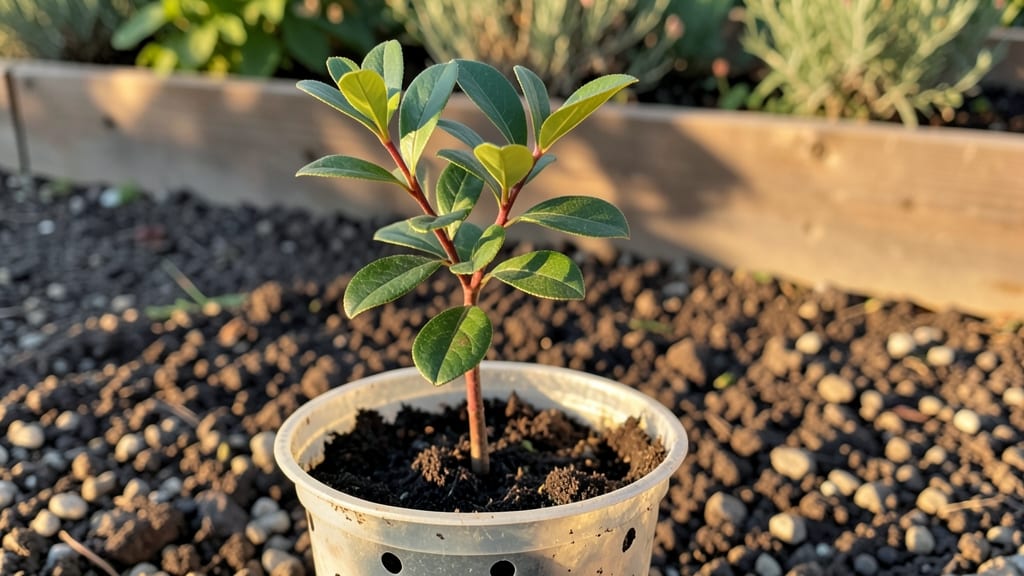
Growing a pomegranate seedling plant from seed is simpler than you’d think—no fancy tools or greenhouses required. I’ve turned kitchen scraps into sturdy saplings just by mimicking the plant’s natural rhythm, and you can too. The key is patience and a few smart tricks that skip the guesswork.
Start with a pomegranate seed from store-bought fruit, a small pot, and well-draining soil mix. You’ll need a sunny windowsill or grow light, a spray bottle for watering, and about 10 minutes a week to check on progress.
Most people overwater at first, but pomegranates hate soggy roots—let the top inch dry between waterings.
By month three, you’ll have a 4-6 inch sapling with glossy leaves, ready for its first outdoor adventure.
The real magic happens when you transplant it: choose a warm spot with 6+ hours of sun, and watch it grow into a bush that produces fruit in just 2-3 years.
Works in zones 7-11, though container growing extends the range. Here’s how to avoid the common pitfalls that stall growth—like leggy seedlings or yellowing leaves—so you skip the frustration and get straight to the rewarding part.
📚 In This Guide
- What you need
- Instructions
- Tips and common mistakes
- Wrapping up and next steps
What you need
- ● Pomegranate seeds: 3–5 fresh, plump seeds (harvested from a ripe pomegranate).
- ● Well-draining potting mix: 1–2 gallons of a blend of cactus/succulent mix (60%) and perlite or coarse sand (40%).
- ● Small pots or seed trays: 2–4 biodegradable pots (3–4 inches wide) or a seed tray with drainage holes.
- ● Drainage materials: Small pebbles or broken pottery shards (for pots without drainage).
- ● Spray bottle: For gentle watering (avoid over-saturating seeds).
- ● Clear plastic wrap or humidity dome: To maintain moisture during germination.
- ○ Pruning shears or scissors: For trimming seed coats (optional, speeds up germination).
- ○ Heat mat (optional): Set to 75–85°F to encourage faster germination.
- ● Grow lights or sunny windowsill: A south-facing window or LED grow light (12–14 hours/day).
- ● Fertilizer (balanced, 10-10-10 or organic): Diluted to half-strength for seedlings (after 4–6 weeks).
- ● Larger container (6–8 inches): For transplanting once seedlings sprout 2–3 true leaves.
Simple instructions for growing a pomegranate from seed
Here's the straightforward method I've used to grow sturdy pomegranate seedlings ready for transplanting.
Extract and Prepare the Seeds
Start by carefully removing seeds from a fresh, organic pomegranate—avoid seeds from store-bought fruit, as they're often treated to prevent sprouting. Rinse them thoroughly under cool water to remove any remaining fruit pulp, then spread them on a clean paper towel to air-dry completely for 24 hours. This prevents mold and ensures even germination.
Once dry, place the seeds between two layers of damp paper towels in a sealed plastic bag. Store them in a warm spot (70-75°F) where they'll stay consistently moist but not soggy. Check daily and mist with water if the towels dry out. You'll see tiny white roots emerge within 7-14 days—this signals it's time to plant.
Choose Containers and Fill with Growing Medium
Use 4-inch diameter pots with drainage holes to give each seedling enough room to develop strong roots without becoming root-bound. Fill each pot with 1 gallon of well-draining potting mix—I blend standard mix with 20% perlite to prevent compaction. Press the medium down lightly to remove air pockets, then water it until moisture runs freely from the drainage holes.
Let the excess water drain completely before planting. The soil should feel evenly damp but not saturated when you squeeze a handful—it should hold its shape without dripping. This moisture level mimics the seed's natural environment and encourages healthy root growth.
Plant Germinated Seeds Properly
Gently place each germinated seed ½ inch deep into its own pot, with the root pointing downward. Cover lightly with additional potting mix, pressing down just enough to secure the seed without compacting the soil. Planting too deep can delay sprouting, while too shallow may expose roots to drying out.
Water lightly after planting to settle the soil around the seeds. Place the pots in a warm, bright location with indirect light—direct sun at this stage can scorch tender new shoots. You'll notice the first true leaves (not the initial seed leaves) appear within 3-4 weeks, signaling successful establishment.
Provide Optimal Light and Temperature
Once seedlings emerge, move them to a spot with 6-8 hours of morning sun and afternoon shade. Pomegranates thrive in full sun later, but young seedlings need gradual acclimation. If growing indoors, supplement with a grow light kept 6 inches above the plants for 12-14 hours daily.
Maintain temperatures between 65-75°F—pomegranates are sensitive to cold drafts or heat above 85°F. You'll see leggy growth if light is insufficient, or yellowing leaves if temperatures fluctuate too much. Adjust light distance or ventilation as needed to keep seedlings compact and vibrant.
Water and Fertilize for Strong Growth
Water seedlings when the top inch of soil feels dry to the touch—typically every 3-4 days, but adjust based on your environment. Overwatering causes root rot, while underwatering stunts growth. Use room-temperature water to avoid shocking the plants, and water at the base to prevent fungal issues on leaves.
After 6 weeks, begin fertilizing with a balanced 10-10-10 liquid fertilizer diluted to half-strength. Apply every 4 weeks during the growing season to provide steady nutrients. You'll notice darker green leaves and thicker stems within 2-3 weeks of starting fertilization.
Harden Off and Transplant Saplings
When seedlings reach 12-18 inches tall with 5-7 leaves, they're ready for hardening off. Place them outdoors in a sheltered spot for 1 hour the first day, gradually increasing exposure over 2 weeks until they tolerate full sun and wind. This prepares them for outdoor planting.
Transplant saplings to their permanent location after the last frost date, spacing them 8-10 feet apart in well-draining soil. Water deeply after planting to encourage root establishment. With patience, your pomegranate seedlings will mature into fruit-bearing trees in 3-5 years.
Tips & tricks for perfect pomegranate seedlings
Growing pomegranate seedlings from seed is simpler than you might think—once you know these key strategies to avoid common pitfalls and accelerate success.
The Germination Environment: The 24-hour drying period for seeds is critical, but don't rush it. Spread seeds on paper towels in a single layer to prevent clumping, which can trap moisture and create mold. I place mine on a wire cooling rack over a tray to ensure airflow on all sides. During the 7-14 day germination window, maintain consistent moisture by misting the paper towels instead of soaking them—you want damp, not wet. A clear plastic bag creates a mini greenhouse effect while allowing you to monitor root development without disturbing the seeds.
Container Selection Strategy: While 4-inch pots are ideal, you can use any container with drainage that's at least 3 inches deep. I've successfully used yogurt cups with drainage holes punched in the bottom—just be sure to wash them thoroughly first. The key is providing enough room for root development without overcrowding. If using larger containers, reduce the number of seeds per pot to prevent competition. Remember, pomegranate roots are sensitive to waterlogging, so proper drainage is more important than container size.
Light Transition Technique: The shift from indirect light to 6-8 hours of morning sun requires careful monitoring. I recommend using a simple shade cloth (30-50% shade) during the transition period to gradually increase sunlight exposure. Watch for leaf color changes—healthy leaves should be deep green, while yellowing indicates too much direct sun. If growing indoors, position your grow light 6 inches above the seedlings and adjust the height as they grow to maintain consistent light intensity. The 12-14 hour daily light requirement is crucial for preventing leggy growth.
Fertilizer Application Timing: Beginning fertilization at 6 weeks is perfect, but timing is everything. Always apply fertilizer to moist soil to prevent root burn, and water thoroughly afterward. I find it helpful to mark the pot with a water-soluble pen to track the 4-week intervals between applications. The diluted half-strength 10-10-10 fertilizer provides balanced nutrition without overwhelming young seedlings. You'll notice the most dramatic improvement in leaf color and stem thickness within 2-3 weeks of starting this regimen.
Pro Tips for Pomegranate Seedling Plant
- Growing pomegranate seedlings from seed is simpler than you might think—once you know these key strategies to avoid common pitfalls and accelerate success.
- The Germination Environment: The 24-hour drying period for seeds is critical, but don't rush it.
- Container Selection Strategy: While 4-inch pots are ideal, you can use any container with drainage that's at least 3 inches deep.
Frequently asked questions
Got questions about growing your own pomegranate seedling plant? You’re not alone! Here are some of the most common queries—plus quick, practical answers to help you succeed.
How long does it take for a pomegranate seed to sprout?
A pomegranate seed typically sprouts within 2–4 weeks if kept in warm, moist conditions (70–80°F). Patience is key—some seeds may take longer, especially if they’re fresh or stored improperly. Pro tip: Soak seeds overnight before planting to speed up germination!
When is the best time to plant pomegranate seedlings outdoors?
Wait until after the last frost (spring) when soil temperatures reach at least 60°F. Pomegranates thrive in heat but hate cold—planting too early risks frost damage. If you’re in a hot climate, fall planting (September–October) can also work, giving roots time to establish before winter.
Can I grow a pomegranate tree from a grocery store seed?
Yes, but expect variability—store-bought seeds may not produce fruit identical to the parent plant. For consistent results, opt for nursery-grown seedlings or grafted trees. If using grocery seeds, save the largest, plumpest seeds for the best germination rates!
Why is my pomegranate seedling turning yellow or wilting?
Yellowing leaves often signal overwatering or poor drainage. Pomegranates prefer well-draining soil and hate soggy roots. Check for pests (like aphids) or fungal issues if wilting persists. Fix it: Reduce watering, improve soil aeration, and trim damaged leaves.
Do pomegranate seedlings need full sun?
Seedlings require 6–8 hours of direct sunlight daily. Without enough light, they’ll grow leggy or weak. Start with partial shade if acclimating to outdoor conditions, then gradually increase sun exposure. Bonus: A south-facing window or grow light works for indoor starters!
Wrapping up and next steps
Growing a pomegranate seedling plant from seed is a rewarding journey that connects you to nature’s bounty—one juicy fruit at a time! 🌱 With patience, the right care, and these six simple steps, you’ll soon be nurturing a thriving sapling ready to flourish.
Whether you’re a beginner or a seasoned gardener, every seed planted today is a sweet harvest for tomorrow.
Ready to take the next step? Start by selecting a healthy seed and a sunny spot in your garden—your future pomegranate tree is waiting! 🌞