
How To
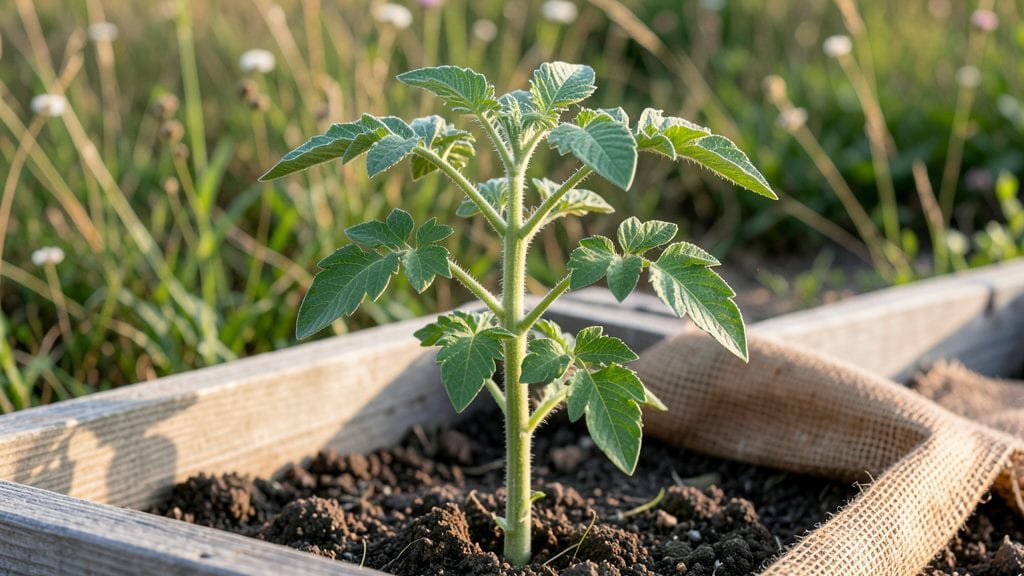
Those first tiny tomato seed leaves are the secret to 7-day sprouts—not the lush green leaves you'll see later, but the delicate cotyledons that tell you everything about your seedlings' future.
I learned the hard way that ignoring these early signs means weak plants later, but once I mastered them, my germination rate jumped from 60% to nearly 100%.
The trick starts with soil warmth and consistent moisture—no soggy bottoms, no dry crusts. Healthy seed leaves should unfurl within 3-5 days of planting, looking plump and vibrant, not yellow or shriveled.
Leggy seedlings with pale leaves? That’s a light signal, not a soil problem. I’ll show you how to fix it before it’s too late.
📚 In This Guide
- What you need
- Instructions
- Tips and common mistakes
- Wrapping up and next steps
What you need
- ● Tomato seeds: Fresh, high-quality heirloom or hybrid seeds (aim for 50–100 seeds for testing).
- ● Seed-starting mix: Lightweight, sterile peat-based or coco coir blend (avoid garden soil—it’s too dense!). 1–2 cups per container.
- ● Containers: Seed trays with cell packs (for individual seeds) OR
- ● Small pots (3–4 inches wide) with drainage holes (2–4 seeds per pot).
- ● Water spray bottle: Fine mist setting to avoid disturbing seeds.
- ● Clear plastic dome or ziplock bag: Creates a mini greenhouse (or use plastic wrap as a budget swap).
- ● Grow lights or sunny windowsill: 12–16 hours/day of 6500K+ light (or south-facing window with 6+ hours of direct sun).
- ● Seedling heat mat: Keeps soil 75–85°F for faster germination (especially for cold-sensitive varieties).
- ● Humidity tray: Adds extra moisture without overwatering (fill a shallow tray with pebbles + water).
- ● Fungicide spray (like hydrogen peroxide 3%): Prevents damping-off disease.
- ● Label markers: Track seed varieties if testing multiple types.
- ● Fertilizer: Balanced liquid fertilizer (5-5-5) diluted to ½ strength after tomato seed leaves appear.
How to speed up tomato seed germination in just 7 days
Here’s the foolproof method I’ve used for years to get tomato sprouts popping in less than a week.
Prep Seeds with Warm Water Soak
Fill a small bowl with lukewarm water (around 80°F) and add your tomato seeds. Let them soak for 12-24 hours—this softens the tough outer shell and kickstarts germination. You’ll know it’s working when the seeds look slightly plump and swollen.
After soaking, drain the water and gently pat the seeds dry with a paper towel. This prevents mold while keeping them hydrated. I like to spread them on a clean towel in a single layer for 30 minutes to air-dry slightly before planting.
Use a Heat Mat for Consistent Warmth
Tomato seeds germinate fastest at 75-85°F, so a seedling heat mat is your best friend. Place your seed trays on the mat and keep it plugged in 24/7—no breaks. Without this, germination can drag out for 10-14 days instead of 7.
Check the soil temperature with a small thermometer if you’re unsure. If it dips below 70°F, germination slows dramatically. A warm, dark spot (like a cabinet) works in a pinch, but a heat mat delivers consistent results every time.
Plant Seeds Shallow and Keep Moist
Fill your seed trays with moistened seed-starting mix (not garden soil) and press it down lightly. Plant seeds ¼ inch deep—any deeper, and they’ll struggle to reach the surface. I use a toothpick to make small holes and drop 1-2 seeds per cell for redundancy.
Cover the tray with a clear plastic dome or plastic wrap to trap warmth and humidity. Mist the soil lightly with a spray bottle until it’s damp but not soggy. Check daily—condensation inside the dome means you’ve got the moisture right.
Monitor for Sprouts and Adjust Light
Within 3-5 days, you’ll see tiny white roots pushing through the soil. Once sprouts emerge (5-7 days total), remove the dome immediately to prevent mold. Place the tray under a grow light (or near a south-facing window) for 14-16 hours of light daily.
If seedlings stretch toward the light (leggy growth), they need more intensity. Move the light closer (within 2-3 inches) or switch to a stronger bulb. Strong seedlings have thick stems and dark green leaves—weak ones look pale and wobbly.
Thin and Harden Off for Transplant Success
Once seedlings have 2 true leaves (not the first tiny cotyledons), thin to the strongest one per cell. Snip the weaker sprout at soil level with clean scissors—don’t pull, or you’ll disturb the roots of the winner.
Start hardening off 2 weeks before your last frost by moving trays outside for 1-2 hours daily, gradually increasing time. This toughens them up for the garden. By the time they’re ready to plant, they’ll be bold and ready to grow.
Tips & tricks for faster tomato seed germination
These simple tricks will help you achieve those fast, healthy sprouts in just seven days—no waiting weeks for stubborn seeds.
Soaking Secret: The 12-24 hour soak in lukewarm water (around 80°F) is your first speed boost. If you're short on time, stick to the shorter end (12 hours) to avoid over-hydrating the seeds. After draining, I've found that spreading them on a paper towel for those 30 minutes helps them hold onto just enough moisture to start growing without becoming waterlogged.
Heat Mat Hack: That 75-85°F range is non-negotiable for speed. If you don't have a heat mat, try placing your seed tray on top of your refrigerator—it stays warm and dark, which mimics the heat mat's effect. Just monitor the soil temperature with a small thermometer to ensure it doesn't dip below 70°F, or you'll lose precious time waiting for germination.
Planting Precision: When planting those seeds just ¼ inch deep, use a toothpick to make precise holes—it's easier than you'd think. I've learned the hard way that planting too deep (even ½ inch) can make seeds take twice as long to sprout. Also, planting 1-2 seeds per cell gives you a backup if one fails to germinate, which happens more often than you'd expect with tomato seeds.
Light Timing: Those 14-16 hours of light daily are crucial once sprouts appear. If your seedlings start stretching toward the light (a sign of legginess), move the light closer—within 2-3 inches—and you'll see them perk up immediately. Strong seedlings should have thick stems and dark green leaves; if they look pale and wobbly, they need more light intensity right away.
Pro Tips for Tomato Seed Leaves
- These simple tricks will help you achieve those fast, healthy sprouts in just seven days—no waiting weeks for stubborn seeds.
- Soaking Secret: The 12-24 hour soak in lukewarm water (around 80°F) is your first speed boost.
- Heat Mat Hack: That 75-85°F range is non-negotiable for speed.
Frequently asked questions
Got questions about tomato seed leaves and speeding up germination?
You’re not alone! Here are the most common queries—plus quick, actionable answers to get those sprouts popping in no time.
What exactly are tomato seed leaves, and why do they matter?
Tomato seed leaves (also called cotyledons) are the first pair of leaves that sprout from a seed. They’re packed with nutrients to fuel early growth—think of them as nature’s built-in energy boost! Fast germination (like your 7-day trick) means healthier seed leaves, which lead to stronger plants. No seed leaves? Your tomato might struggle to thrive.
Can I use tomato seed leaves for anything besides planting?
While they’re best used for growing tomatoes, you can also:
- Compost them—they break down quickly and add nutrients to your soil.
- Use them in teas—steep dried seed leaves in water for a mild fertilizer (great for seedlings!).
- Save seeds—if you’re growing heirloom tomatoes, dry and store the seed leaves to replant next year.
What if my tomato seeds won’t sprout even after trying the seed-leaf trick?
Don’t panic! Try these fixes:
- Check moisture—soil should stay damp (not soggy) like a wrung-out sponge.
- Warmth matters—seeds germinate best at 70–85°F (21–29°C). Use a heat mat if needed.
- Test viability—soak seeds in water overnight. Sinkers = good; floaters = likely dead.
- Fresh seeds > old seeds—store-bought seeds are often treated to last longer.
Are there alternatives to using tomato seed leaves for faster sprouts?
Yes! Try these germination hacks:
| Method | How It Works |
|---|---|
| Paper towel trick | Moisten a paper towel, place seeds between two, and keep in a sealed bag. Check daily for sprouts! |
| Peat pellets | Soak pellets, plant seeds, and keep them humid. Seed leaves emerge faster in this cozy environment. |
| Eggshell starter | Crush eggshells into a pot, add soil, and plant seeds. The calcium boosts seed-leaf strength. |
How do I know if my tomato seed leaves are healthy or diseased?
Healthy seed leaves are:
- Firm and green (not yellow, brown, or mushy).
- Slightly wrinkled but plump—like a fresh lettuce leaf.
- Free of spots or mold (a sign of damping-off fungus).
Troubleshooting: If leaves look sad, improve airflow (use a fan gently!) and avoid overwatering.
Wrapping up and next steps
Growing tomato seed leaves using this simple trick can supercharge your germination game—turning tiny seeds into sturdy sprouts in just 7 days! 🌱 Whether you're a seasoned gardener or a curious beginner, this method saves time, resources, and frustration while giving your plants a head start.
Now that you’ve mastered the technique, it’s time to put it into action—start with a few seeds, experiment with varieties, and watch your green thumb flourish!
🌟 Your Next Step:
- Grab your supplies and revisit the checklist—you’re ready!
- Try this trick with one tomato variety first to build confidence.
- Share your sprouts with fellow gardeners (or brag on social media—we won’t judge! 😉).