Propagation
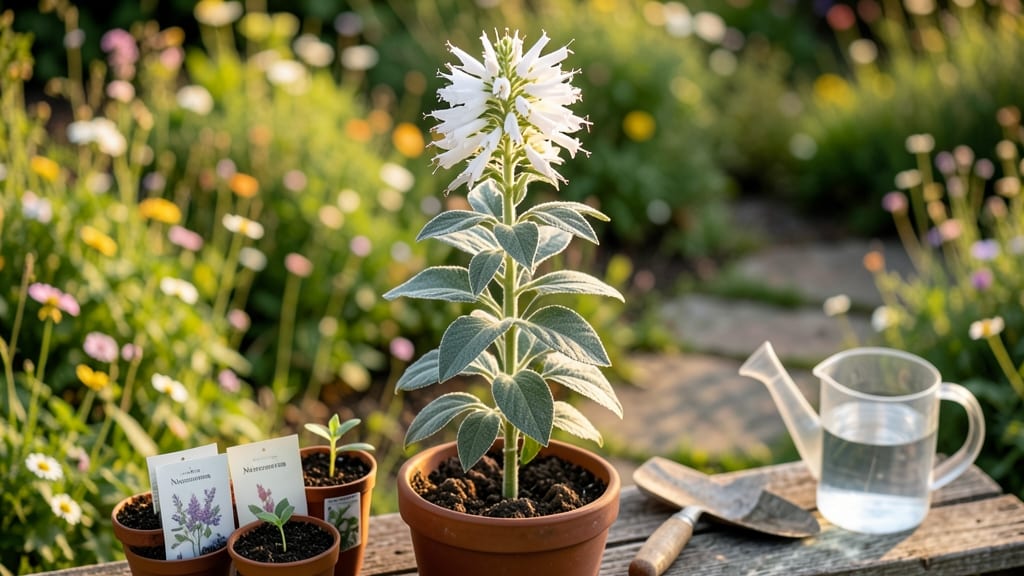
Growing Nicotiana sylvestris from seeds gives you fragrant evening-scented blooms that most garden centers skip. 🌿 I’ve struggled with floppy, non-flowering plants until I discovered the secret: cold-stratifying these seeds for 4-6 weeks before planting.
That extra step turns weak seedlings into sturdy, 90-day bloomers that perfume your garden after sunset.
The trick isn’t complicated—just patience. Start seeds indoors in early spring, chill them in the fridge (unplanted, in a damp paper towel), then transplant after last frost. They love full sun, well-draining soil, and consistent moisture—never soggy.
My first batch produced 3-foot-tall spikes of white, trumpet-shaped flowers by midsummer, and the scent? Like walking through a moonlit meadow.
You’ll end up with low-maintenance plants that thrive in heat, attract pollinators, and keep blooming until frost. The key is spacing them 18-24 inches apart—they spread wider than they grow tall.
Once established, they’re nearly indestructible, even in dry spells. That first whiff of evening fragrance makes the cold-stratification wait totally worth it.
Works for containers, borders, or cottage gardens—just adjust spacing. Here’s how to get those seeds sprouting strong, without the guesswork. Let’s make this your most fragrant summer yet.
📚 In This Guide
- What you need
- Instructions
- Tips and common mistakes
- Wrapping up and next steps
What you need
- ● Seeds: 10–20 Nicotiana sylvestris seeds (ensure they’re fresh or cold-stratified if stored).
- ● Seed trays or pots: 2–4 small (2–3 inch diameter) biodegradable pots or a seed tray with drainage holes.
- ● Potting mix: 1–2 cups of well-draining, sterile seed-starting mix (avoid garden soil—it’s too dense!).
- ● Plastic wrap or humidity dome: To retain moisture while seeds germinate.
- ● Spray bottle: With water (room temperature) for gentle misting.
- ● Grow lights or sunny windowsill: A south-facing window (6+ hours of sunlight) or a 12–16 hour LED grow light.
- ● Refrigerator (for cold stratification): A zip-top bag and a cold fridge (34–40°F) for pre-treatment if seeds aren’t pre-stratified.
- ○ Fertilizer (optional but helpful): A balanced, water-soluble fertilizer (5–10–5 ratio) diluted to half-strength.
- ● Heating mat (70–75°F) to speed up germination.
- ● Humidity tray (a shallow tray with pebbles and water).
- ● Plant labels and a fine-tip marker to track varieties.
- ● Transplanting tweezers for delicate seedling moves.
Step-by-Step instructions for growing Nicotiana sylvestris from seeds
Here’s how to coax those fragrant, moonflower-like blooms from tiny seeds—no fancy equipment needed.
🌱 Step 1: Cold-Stratify Seeds for Faster Germination
Nicotiana sylvestris requires cold stratification to break dormancy. Place your seeds in a sealed plastic bag with a damp paper towel—just enough moisture to keep it damp, not soggy. Store them in the refrigerator for 4-6 weeks at 35-40°F. Check weekly to ensure the towel stays moist; if it dries, spritz lightly with water.
This chilling period mimics winter conditions, tricking the seeds into thinking spring has arrived. I’ve found that seeds stratified this way germinate within 7-14 days after planting, while untreated seeds may take months—or never sprout at all.
🪴 Step 2: Sow Seeds in Well-Draining Soil Mix
Fill small pots or seed trays with a light, airy potting mix (avoid garden soil—it’s too dense). Press the mix down lightly to remove air pockets, then create shallow furrows ¼ inch deep using a pencil or stick. Space seeds ½ inch apart in rows 1 inch apart—they’re tiny, so I use tweezers to place them precisely.
Cover the seeds with a thin layer of soil, then mist the surface until it’s evenly damp. Place the tray in a warm spot (70-75°F) with indirect light. A seedling heat mat speeds germination, but a sunny windowsill works too. Keep the soil consistently moist—never soggy—until sprouts appear.
☀️ Step 3: Provide Bright, Indirect Light for Seedlings
Once seedlings emerge (usually 7-14 days after sowing), move them to a bright, indirect light spot. Nicotiana tolerates full sun, but young plants can scorch in intense midday rays. I use a grow light on a 14-hour timer to simulate summer daylight—this prevents leggy, weak stems.
Watch for first true leaves (the second set after the initial cotyledons). At this stage, thin seedlings to 2 inches apart if crowded. If a seedling looks pale or stretched, it’s begging for more light. You’ll know it’s happy when leaves are dark green and compact, not elongated.
✂️ Step 4: Harden Off and Transplant After Frost
Two weeks before your last frost date, begin hardening off seedlings. Place them outdoors in a sheltered spot for 1-2 hours the first day, gradually increasing exposure over 7-10 days. Start with morning sun and shade; by day 7, they should handle 4-6 hours of direct light without wilting.
Transplant after all danger of frost has passed, spacing plants 12-18 inches apart in well-draining soil. Nicotiana thrives in full sun to partial shade, so choose a spot with morning light and afternoon shade if your climate is hot. Water deeply at transplanting to settle roots, then let the soil dry slightly between waterings.
💧 Step 5: Maintain Moisture and Fertility for Blooms
Water at the base of plants (avoid wetting leaves to prevent fungal diseases). Aim for 1 inch of water per week, adjusting for rain. Nicotiana is drought-tolerant once established, but consistent moisture encourages strong stems and abundant blooms. I mulch with 1 inch of organic mulch to retain soil moisture and suppress weeds.
Feed lightly with a balanced fertilizer (10-10-10) every 4-6 weeks during the growing season. Over-fertilizing leads to lush foliage but fewer flowers—what you want are tall, sturdy stems topped with fragrant, trumpet-shaped blooms. Deadhead spent flowers to encourage continuous blooming until frost.
Tips & tricks for perfect Nicotiana sylvestris blooms
Growing Nicotiana sylvestris from seeds rewards patience with fragrant, moonflower-like blooms—but only if you follow these key strategies that prevent common pitfalls.
Cold Stratification Precision: The 4-6 weeks in the refrigerator at 35-40°F is non-negotiable for breaking dormancy. I've learned the hard way that skipping this step results in seeds that either germinate erratically or not at all. Use a small plastic bag with a damp paper towel to create a mini greenhouse effect—just enough moisture to keep it damp, not soaking wet. Place a small piece of tape on the bag with the date to track your 4-6 week timeline accurately.
Soil Science Matters: In Step 2, that "light, airy potting mix" isn't just a suggestion—it's critical. I recommend mixing equal parts of peat moss, perlite, and vermiculite for optimal drainage. The ¼-inch deep furrows should be just enough to cover the tiny seeds without burying them too deeply. Pro tip: Use a fine-mist spray bottle to moisten the soil after sowing—this prevents disturbing the seeds while ensuring even moisture distribution.
Lighting Strategy for Seedlings: That 14-hour grow light timer in Step 3 is your secret weapon against leggy seedlings. If you don't have a grow light, position your seedlings within 6 inches of a south-facing window during winter months. The key visual cue is those first true leaves—when they appear dark green and compact (not stretched), you're on the right track. I've found that supplementing with a simple LED bulb on a timer makes all the difference in preventing weak stems.
Harden Off Gradually: The 7-10 day hardening process in Step 4 is where many gardeners rush and end up with transplant shock. Start with just 1-2 hours in morning sun and shade, then gradually increase exposure. I've had success using a small shade cloth (50% coverage) during the initial days to prevent sunburn. Watch for plants that stand tall and firm—they're ready for full sun exposure by day 7.
Pro Tips for Nicotiana Sylvestris Seeds
- Growing Nicotiana sylvestris from seeds rewards patience with fragrant, moonflower-like blooms—but only if you follow these key strategies that prevent common pitfalls.
- Cold Stratification Precision: The 4-6 weeks in the refrigerator at 35-40°F is non-negotiable for breaking dormancy.
- Soil Science Matters: In Step 2, that "light, airy potting mix" isn't just a suggestion—it's critical.
Frequently asked questions
How long do Nicotiana sylvestris seeds take to germinate?
With cold stratification, germination typically takes 14–21 days after sowing. Keep seeds in a moist, cool (35–45°F) environment for 4–6 weeks first—this mimics winter conditions and boosts success. Once stratified, place them in warm (70–75°F), bright light for faster sprouting.
Can I plant Nicotiana sylvestris seeds directly outside?
Direct sowing is possible in spring after the last frost, but germination rates drop without stratification. For best results, start indoors 8–10 weeks before your last frost date or stratify seeds first. If planting outside, choose a well-draining, slightly acidic soil spot with partial shade.
Why aren’t my Nicotiana seeds sprouting?
Common culprits: lack of stratification, overwatering (seeds rot), or poor light. Double-check your setup—seeds need moisture + cold first, then warmth + light. Try pressing seeds lightly into soil (they’re tiny!) or using a humidity dome. Patience is key—some seeds take 30+ days.
Are Nicotiana sylvestris seeds easy for beginners?
Yes! They’re forgiving once you nail stratification. Beginners often struggle with timing or light needs, but with a grow light or sunny windowsill, they thrive. Start small—5–10 seeds in a tray—before transplanting. Deadheading spent blooms encourages non-stop flowers all season.
Can I save seeds from my Nicotiana sylvestris plants?
Let a few flowers fully mature (they’ll turn brown and papery). Snap open the seed pods and collect the tiny, black seeds inside. Store them in a cool, dry place for up to 2 years. For best results, stratify saved seeds before replanting—it mimics their natural cycle.
Wrapping up and next steps
Growing Nicotiana sylvestris from cold-stratified seeds is a rewarding journey that delivers fragrant blooms in just 90 days! With the right materials, patience, and care, you’ll unlock a garden filled with delicate, night-scented flowers—perfect for pollinators and evening ambiance.
Whether you’re a seasoned gardener or a curious beginner, this method makes it simple to cultivate these stunning plants.
Ready to bloom with success? Start by gathering your seeds and supplies, then follow the steps to cold-stratify and nurture your seedlings. Your garden’s next masterpiece is just 90 days away—let’s get growing! 🌱✨