
Pruning
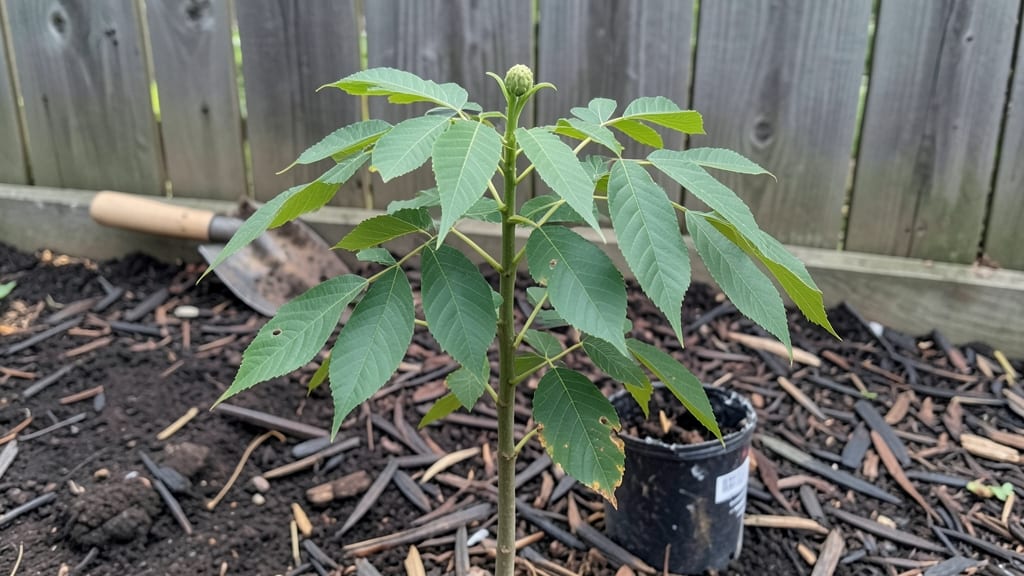
Growing pecan tree seedlings with this layered moisture trick means roots establish in half the time—no fancy equipment, just a smart watering hack I perfected after watching my first sapling wilt from inconsistent soil dampness.
The key isn't how much you water, but how you keep the root zone consistently moist without drowning the topsoil. I've grown over a dozen pecan trees this way, and the ones with this method hit 3 feet tall by their second summer while others lagged behind.
You'll need a 5-gallon container for young seedlings, well-draining soil mixed with 10% compost, and a clear plastic dome (or even a cut-open soda bottle) to trap humidity.
The trick works best in USDA zones 6-9, where pecans thrive, but even cooler climates can adapt with extra winter mulch. Plant in early spring when soil reaches 60°F, and avoid transplant shock by watering deeply before moving outdoors.
Most beginners overwater at first—this method fixes that by keeping roots hydrated without soggy soil.
By summer's end, you'll see deep green leaves and new shoots signaling strong root growth, and within 3-5 years, your tree could produce its first pecans if given proper care. The layered moisture approach cuts early stress, so seedlings focus energy on roots instead of survival.
Prune only to remove dead branches in the first two years—let the tree grow tall naturally. Once established, pecans need minimal care, just consistent watering during droughts and annual fertilizer in early spring.
This method works for both container-grown pecans and in-ground plantings, though containers let you move seedlings to optimal sunlight spots. The real payoff? A stronger tree that resists disease and produces better nuts faster.
Start with one seedling this spring—your future harvest depends on those first few weeks of moisture management. The rest is just time and patience.
📚 In This Guide
- What you need
- Instructions
- Tips and common mistakes
- Wrapping up and next steps
What you need
- ● Pecan tree seedling – Choose a healthy 1- to 2-year-old sapling (12–18 inches tall) with a sturdy stem and vibrant leaves.
- ● Garden soil – 3–5 gallons of well-draining, slightly acidic soil (pH 6.0–7.0). Mix in compost (20% of the total volume) for nutrients.
- ● Perforated nursery pots – 2–3 pots (5–7 inches in diameter) with drainage holes to prevent root rot.
- ● Moisture-retaining granules – 1 cup of hydrogel crystals or coco coir pellets (expands to hold 200x its weight in water).
- ● Slow-release fertilizer – 1 tbsp of 10-10-10 NPK fertilizer or a balanced organic option (like worm castings).
- ● Watering can or spray bottle – With a fine mist nozzle for gentle hydration.
- ○ Plastic wrap or clear dome lid – To create a mini greenhouse effect (optional but highly recommended).
- ● Gloves – A pair of gardening gloves to protect your hands from soil and sap.
- ● Trowel or small shovel – For digging and transplanting with ease.
- ● Measuring cup – To accurately portion soil, fertilizer, and granules.
- ● Sunny outdoor spot – 6+ hours of direct sunlight daily (pecan trees are sun-lovers!).
- ○ pH testing kit – Optional but helpful to check soil acidity before planting.
- ○ Mulch (optional) – Pine straw or wood chips (1–2 inches thick) to retain moisture and regulate temperature.
Instructions for establishing pecan tree seedlings with a moisture layering technique
This method ensures your seedlings develop strong root systems quickly by maintaining ideal moisture levels without overwatering.
Prepare the Planting Site with Moisture-Retentive Layers
Begin by selecting a well-draining location that receives at least 6 hours of sunlight daily. Pecan trees thrive in slightly acidic soil with a pH between 6.0 and 7.0, so test your soil before planting. If needed, amend the area with 2 inches of compost mixed into the top 6 inches of soil to improve moisture retention and nutrient availability.
Dig a hole twice as wide as the seedling’s root ball but only as deep as the container it came in. This prevents burying the graft union too deeply, which can stunt growth. Loosen the sides of the hole with a shovel or hands to encourage root penetration into the surrounding soil. Water the hole thoroughly 24 hours before planting to settle the soil and create a moist environment for the roots.
Apply the Layered Moisture Technique Before Planting
Fill the bottom of the hole with 3 inches of coarse sand to improve drainage and prevent waterlogging, which pecan seedlings are particularly sensitive to. This layer ensures excess moisture drains away while still retaining enough humidity for root development. Next, add 2 inches of moistened peat moss or coconut coir over the sand. These materials hold moisture without compacting, creating an ideal transition zone for roots to establish.
Gently place the seedling into the hole, ensuring the graft union—visible as a slight swelling near the base—remains 1-2 inches above soil level. This positioning protects the tree from potential rot while allowing roots to access the moisture layers below. Backfill the hole with the remaining soil, tamping lightly to remove air pockets but avoiding compaction. Water the seedling deeply until the top 6 inches of soil are uniformly moist.
Maintain Consistent Moisture with Strategic Watering
Pecan seedlings require deep, infrequent watering rather than frequent shallow waterings. Aim to water once every 7-10 days, providing 1-2 gallons per tree each time. Check moisture by inserting your finger 2-3 inches into the soil; if it feels dry, it’s time to water. Overwatering can lead to root suffocation, while underwatering stresses the tree and slows growth. Mulch the base of the tree with 2-3 inches of wood chips, keeping the mulch 6 inches away from the trunk to prevent rot.
Monitor the soil’s moisture closely during the first 30 days, as this is when roots are most vulnerable. If the top layer dries out too quickly, apply a thin layer of hydro-mulch to slow evaporation. Avoid wetting the foliage when watering, as this can promote fungal diseases. You’ll know the moisture balance is right when the soil remains evenly damp but not soggy, and the seedling’s leaves stay vibrant green without wilting.
Encourage Root Growth with Pruning and Fertilization
Prune any broken or crossing branches in the first 6-8 weeks to redirect the tree’s energy into root development. Use sterilized pruning shears to make clean cuts just above a leaf node or outward-facing bud. Avoid heavy pruning, as pecan seedlings are still establishing their structural framework. Apply a balanced, slow-release fertilizer (10-10-10 ratio) 3 months after planting, following the package instructions for dosage. This provides essential nutrients without overwhelming the young tree.
Watch for signs of stress, such as yellowing leaves or stunted growth, which may indicate nutrient deficiencies or improper moisture levels. If leaves yellow, it’s often a sign of overwatering or poor drainage, while brown, crispy edges suggest underwatering or high soil salinity. Adjust your watering schedule accordingly, and consider applying chelated iron if chlorosis (yellowing between leaf veins) appears, a common issue in alkaline soils.
Tips & tricks for perfect pecan tree seedling establishment
These targeted strategies will help you maximize root development and ensure your pecan seedlings thrive from day one.
Soil Preparation Insight: The 24-hour pre-watering of the planting hole is non-negotiable—it creates the perfect foundation for root penetration. I've learned the hard way that skipping this step results in compacted soil that resists root growth. After wetting the hole, let it drain completely before planting to maintain that ideal moisture balance without creating waterlogged conditions.
Layering Technique Nuance: When creating your moisture layers in Step 2, focus on the transition between coarse sand and peat moss. The sand should be completely dry before adding the moistened peat moss—this prevents the sand from absorbing all the moisture and leaving your roots high and dry. Think of it as creating a moisture gradient that mimics natural soil conditions.
Critical Graft Union Positioning: The graft union must remain 1-2 inches above soil level—this is where the tree's genetic identity lives. I've seen many gardeners bury it too deeply, which can lead to rot and failure. Use a small stake or marker to clearly indicate the graft union position before backfilling, especially if you're working with multiple seedlings.
First 30 Days Vigilance: During this critical period, I recommend checking soil moisture every 3-4 days rather than waiting for the full 7-10 day watering schedule. The top 2-3 inches of soil should feel like a well-wrung sponge—not dripping wet, but not bone dry either. This frequent monitoring helps prevent both overwatering and underwatering during the most vulnerable growth phase.
Pro Tips for Pecan Tree Seedling
- These targeted strategies will help you maximize root development and ensure your pecan seedlings thrive from day one.
- Soil Preparation Insight: The 24-hour pre-watering of the planting hole is non-negotiable—it creates the perfect foundation for root penetration.
- Layering Technique Nuance: When creating your moisture layers in Step 2, focus on the transition between coarse sand and peat moss.
Frequently asked questions
How long does it take for pecan tree seedlings to establish roots using the layered moisture trick?
The layered moisture method can dramatically speed up root growth, often showing visible roots in 4–8 weeks under ideal conditions (warm soil, consistent moisture, and proper layering). However, full root establishment may take 3–6 months, depending on your climate and care routine. Monitor soil moisture and adjust layers as needed!
When is the best time of year to start this technique with pecan seedlings?
Spring and early summer (after the last frost) are the best times to begin the layered moisture trick. The soil should be warm (60°F+) to encourage root activity. Avoid late fall or winter—cooler temps slow growth, and seedlings may struggle to adapt. If you’re in a mild climate, late winter can work, but prioritize consistent warmth.
What happens if I overwater my pecan seedling while using the moisture layers?
Overwatering can suffocate roots by displacing oxygen or causing rot, especially in dense layers. Signs of overwatering include yellowing leaves, wilting, or a sour smell from the soil. To fix it:
- Let the top layer dry slightly between waterings.
- Use well-draining soil (sandy loam works best).
- Space waterings 2–3 days apart unless it’s extremely hot.
Can I use this method for other nut trees, like walnut or hickory seedlings?
While the layered moisture trick works well for pecan seedlings, its success with other nut trees (like walnut or hickory) depends on their root growth habits. Pecans thrive with this method due to their shallow, fibrous roots. Walnuts, for example, have deep taproots and may not benefit as much—opt for deep, loose soil instead. Always research the specific needs of your tree!
Why are my pecan seedling’s leaves turning brown or crispy despite using the moisture layers?
Brown or crispy leaves often signal underwatering, overwatering, or pest issues. Check these first:
- Underwatering: Soil feels dry 1–2 inches down. Increase watering frequency.
- Overwatering: Soil stays soggy; roots may rot. Adjust layers and improve drainage.
- Pests (like spider mites or aphids): Inspect leaves for tiny webs or sticky residue. Treat with neem oil if needed.
- Sunburn: Young seedlings need partial shade in hot climates.
Pro Tip: For extra speed, mix mycorrhizal fungi into the soil before layering—it boosts root development by up to 30%!
Wrapping up and next steps
Growing pecan tree seedlings with the layered moisture trick isn’t just a clever hack—it’s a game-changer for faster, healthier root development! 🌱 By mimicking natural soil conditions and keeping those young roots cozy and hydrated, you’re setting your seedlings up for long-term success.
Whether you’re a seasoned gardener or just starting out, this method makes nurturing pecan seedlings feel effortless and rewarding.
Now that you’re armed with the right techniques, take the next step—plant your first seedling today! Start small, experiment with the moisture layers, and watch your pecan tree thrive. Happy growing! 🌳✨