
Pruning
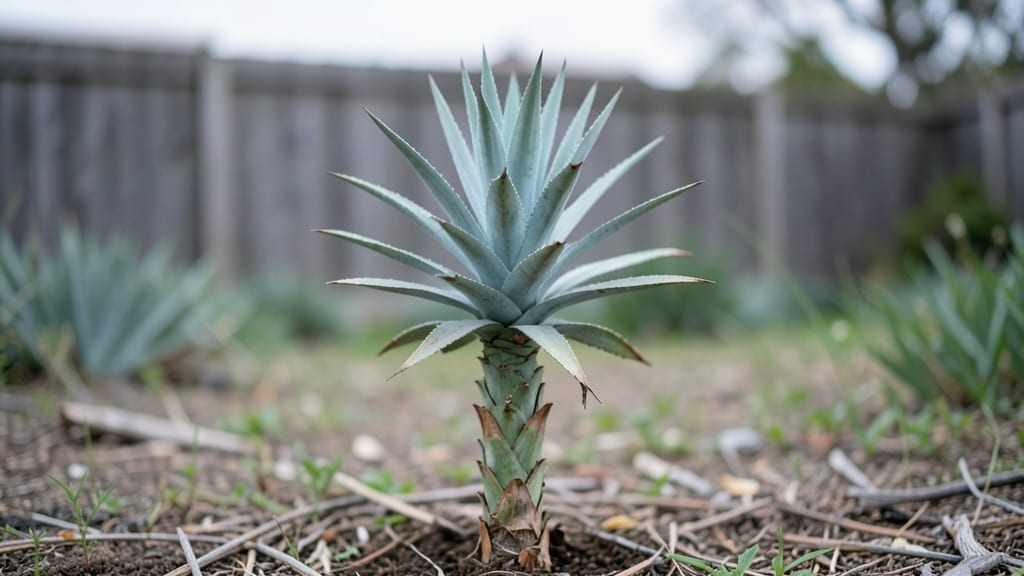
Growing Joshua tree seedlings from seed is like nurturing a tiny piece of the Mojave's soul in your own hands. 🌵 I've watched these stubborn little plants push through gritty soil to become the iconic desert giants they're meant to be, and the process is far more rewarding than most gardeners realize.
You'll need patience, a sunny spot, and a soil mix that mimics their native habitat—equal parts cactus soil and coarse sand. These seedlings demand bright light from the moment they sprout, and overwatering is their silent killer.
The first few months are a delicate dance between keeping them alive and letting them toughen up for desert life.
By year two, you'll see that classic Joshua tree form emerging—stiff, sword-like leaves and a trunk that grows with surprising speed. The payoff comes when you transplant them into larger containers or even the ground, where they'll thrive for decades with minimal care beyond occasional water during extreme drought.
Perfect for desert gardeners, rock enthusiasts, or anyone who wants to grow something uniquely American. Here's how to give these resilient plants the start they deserve.
📚 In This Guide
- What you need
- Instructions
- Tips and common mistakes
- Wrapping up and next steps
What you need
- ● Joshua tree seeds – 3–5 seeds per container (or 1–2 for a single seedling focus). Pro tip: Soak seeds in warm water for 24 hours before planting to boost germination!
- ● Well-draining potting mix – 1–2 gallons per container. Use a cactus/succulent blend (e.g., 50% pumice, 30% perlite, 20% compost). ⚠️ Avoid heavy garden soil!
- ● Containers – 1–2 small pots (4–6 inches deep) with drainage holes. Terracotta or fabric pots are ideal for airflow.
- ● Drainage layer – 1–2 inches of coarse sand, gravel, or lava rock per pot to prevent root rot.
- ● Spray bottle – For gentle watering (overhead sprinkling mimics desert dew!).
- ● Clear plastic dome or plastic wrap – To create a mini greenhouse and retain humidity during germination.
- ● Sunlight access – A south-facing window or grow light (12–14 hours/day). Joshua trees love bright, indirect light!
- ● Tweezers or seed starter tool – For precise seed placement.
- ● pH testing kit – Ensure your soil is slightly acidic to neutral (pH 6.0–7.5).
- ● Fertilizer (low-nitrogen) – A balanced cactus fertilizer (e.g., 5-10-10) for slow feeding after germination.
- ● Humidity tray – If your home is dry, place containers on a tray with pebbles and water.
- ○ Heat mat (optional) – Keeps soil at 70–80°F to speed up germination (especially in cooler climates).
- ● Patience – Germination can take 2–6 weeks (or longer!).
- ● Consistency – Joshua trees thrive on minimal water (water only when soil is completely dry).
- ● Space planning – These seedlings will grow slowly but steadily—account for their mature height (up to 40+ feet in the wild!).
Step-by-step instructions for growing Joshua tree seedlings in containers
Here’s how to nurture these desert icons from tiny seeds into thriving container plants.
🌱 Step 1: Prepare the Growing Medium and Containers
Start with a cactus/succulent mix—Joshua trees despise regular potting soil, which holds too much moisture. Fill your 4-inch pots (one per seedling) with this blend, leaving ½ inch of space at the top. I like to add ½ cup perlite per gallon of mix to improve drainage. Tap the pot gently to settle the soil without compacting it—you want it loose enough for those delicate roots to spread.
Sterilize your pots first by soaking them in 1 part bleach to 9 parts water for 10 minutes, then rinsing thoroughly. This prevents fungal issues that can kill seedlings before they even sprout. Use a fine-mesh strainer to sift the mix into pots, avoiding clumps that could block water flow.
💧 Step 2: Plant the Seeds at the Right Depth
Joshua tree seeds are tiny—about the size of a pinhead—so I use toothpicks to handle them. Place 1 seed per pot, pressing it just ⅛ inch deep into the soil. Planting too deep delays germination because the seedling must push through more soil. Cover lightly with a sprinkle of the same mix, then mist the surface with lukewarm water until evenly moist but not soggy.
I label each pot immediately with the planting date—germination can take 4-8 weeks, and patience is key. Place the pots in a shallow tray lined with pebbles to catch excess water. This prevents the soil from drying out too quickly while allowing any drips to evaporate.
☀️ Step 3: Provide Desert-Like Conditions for Germination
Joshua trees need bright, indirect light from the start—no dim corners here. A south-facing window works, but supplement with a grow light if your space is shady. Keep the soil barely moist—never soggy. I water once every 10-14 days, checking by sticking my finger ½ inch deep; if it’s dry, it’s time. Overwatering is the #1 killer of young seedlings.
Maintain temperatures between 70-85°F—a heat mat helps if your home runs cooler. Once the first true leaves appear (they’ll look like tiny, spiky rosettes), you’ll know you’re on track. This is when you can gradually introduce direct morning sun for a few hours daily to harden them off.
🪴 Step 4: Transplant and Care for Established Seedlings
After 3-4 months, when seedlings have 3-4 sets of leaves, it’s time to upgrade to 6-inch pots. Use the same cactus mix, this time adding ¼ cup coarse sand per pot to mimic desert soil. Gently remove the seedling, keeping the root ball intact, and plant it 1 inch deeper than before—this stabilizes the stem as it grows taller.
Reduce watering to every 2-3 weeks once established. Joshua trees store water in their stems, so they’re drought-tolerant but not drought-proof. Watch for yellowing leaves—this signals overwatering, while wrinkled stems mean it’s thirsty. Fertilize lightly once in spring with a diluted cactus fertilizer (½ strength) to encourage slow, steady growth.
⏰ Step 5: Winter Care for Young Plants
Joshua trees are cold-hardy once mature, but seedlings need protection. If temperatures drop below 20°F, move pots to a garage or unheated shed where temps stay above freezing. Reduce watering to once a month—dormancy is natural this time of year. Resume normal care in early spring when new growth appears.
This is where most growers quit, but stick with it. With patience, your 4-inch seedlings will grow into 6-foot container specimens in 5-7 years—a true desert oasis on your patio.
Tips & tricks for growing Joshua tree seedlings in containers
These desert survivors need special care—here's how to give them the best start possible.
Soil Mix Secrets: The cactus/succulent mix is non-negotiable, but here's the real trick: pre-moisten your mix before filling the pots. This ensures even moisture distribution right from planting. I like to mix in ½ cup perlite per gallon to create tiny air pockets that prevent root rot. After filling the pots, tap them gently on the counter to settle the soil without compacting it—this creates the perfect loose structure for those delicate roots.
Temperature Matters: Maintaining that 70-85°F range is crucial, especially during germination. If your home runs cooler, place the pots on a seedling heat mat set to 85°F—this mimics their natural desert environment. For cooler climates, consider using a small greenhouse or clear plastic dome to trap heat. Just remember to remove it once the first true leaves appear to prevent fungal growth.
Watering Wisdom: The 10-14 day watering schedule might seem long, but Joshua trees store water in their stems. Use your finger to check moisture—if the top ½ inch of soil is dry, it's time. I've learned the hard way that overwatering is the fastest way to kill these seedlings. When watering, always use lukewarm water to avoid shocking the roots, and make sure excess water drains completely from the tray.
Transplanting Timing: Those 3-4 months until transplanting might feel like forever, but it's crucial for root development. When you do upgrade to 6-inch pots, add ¼ cup coarse sand to improve drainage. The key is to plant 1 inch deeper than before—this stabilizes the stem as it grows taller and prevents toppling. Handle the seedlings gently to avoid damaging those fragile roots that have spent months establishing themselves.
Pro Tips for Joshua Tree Seedling
- These desert survivors need special care—here's how to give them the best start possible.
- Soil Mix Secrets: The cactus/succulent mix is non-negotiable, but here's the real trick: pre-moisten your mix before filling the pots.
- Temperature Matters: Maintaining that 70-85°F range is crucial, especially during germination.
Frequently asked questions
How long does it take for a Joshua tree seedling to grow to maturity?
A Joshua tree seedling can take 10–15 years to reach maturity in ideal conditions, though container-grown seedlings may grow slightly faster with proper care. Patience is key—these iconic trees grow slowly, especially in arid climates. Focus on consistent watering (but avoid overwatering) and full sun exposure to support steady growth.
Can I grow a Joshua tree seedling indoors or in a small container?
While possible, Joshua trees thrive best in large containers (10+ gallons) with excellent drainage. They need full sun (6+ hours daily) and a well-draining cactus/succulent mix. Indoors, place them near a south-facing window or under grow lights. Expect slower growth—outdoor conditions mimic their natural habitat better.
How cold-hardy are Joshua tree seedlings, and do they need winter protection?
Mature Joshua trees tolerate down to 10°F (-12°C), but seedlings are more sensitive. Young plants benefit from mulch or burlap wraps in freezing temps. If growing in colder zones (USDA 7 or below), plant in spring or use containers for mobility. Avoid soggy soil in winter—root rot is a risk.
What’s the best way to revive a struggling Joshua tree seedling?
If your seedling looks wilted or yellow, check for overwatering (most common issue)—let soil dry completely between waterings. Ensure bright light and trim dead branches with sterilized scissors. If pests (like scale) appear, spray with neem oil. Repot if roots are circling, and avoid fertilizing until new growth appears.
Are there fast-growing alternatives to Joshua trees for desert gardens?
If you want a faster-growing desert accent, consider Agave (3–5 years to maturity) or Palo Verde trees (5–10 years). For a similar silhouette, Snake Plant (Sansevieria) or Yuca Plant (Yucca) are low-maintenance options. Joshua trees are slow but uniquely iconic—worth the wait for their striking form!
Wrapping up and next steps
Growing Joshua tree seedlings in containers isn’t just about nurturing a resilient plant—it’s a chance to bring a piece of the Mojave Desert’s magic into your space. With the right soil, light, and care, these hardy little survivors can thrive, offering both beauty and a reminder of nature’s tenacity. 🌵✨
Ready to take the next step? Start by selecting a healthy seedling and giving it the love it deserves—your desert oasis awaits!