
Watering
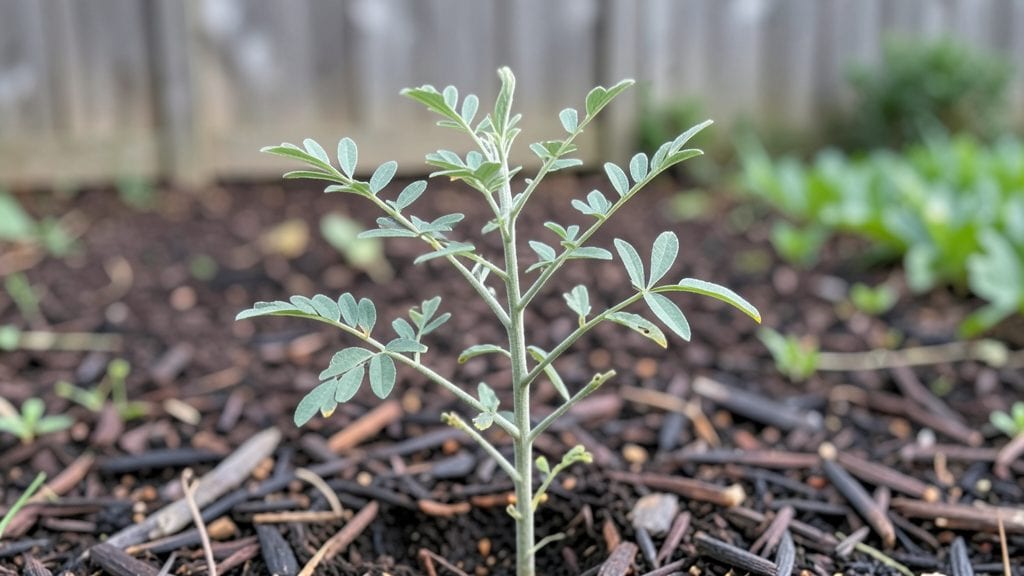
Growing a palo verde seedling from scratch is like watching a desert miracle unfold—those tiny seeds turn into a sturdy, drought-resistant tree that thrives where others fail. I’ve nurtured mine through scorching summers and learned the exact tricks to keep them strong from the first sprout.
The key isn’t just patience; it’s knowing when to water, how to shield them from wind, and when to let them toughen up like their namesake.
You’ll need well-draining soil mixed with sand to mimic their native habitat, a sunny spot that gets at least 6 hours of direct light daily, and a watering can with a gentle spray nozzle.
Palo verde seedlings hate soggy roots but love deep, infrequent drinks—think once a week once established, not daily misting. The first year is critical: too much water kills them faster than drought. I’ve lost count of seedlings drowned by well-meaning gardeners who didn’t know better.
By year three, your seedling will reward you with its signature green bark and feathery foliage, standing tall enough to cast shade. The real magic happens in the fourth or fifth year, when it starts flowering with bright yellow blooms that hummingbirds adore.
But the journey starts with those first weeks of germination—where temperature control and humidity matter more than you’d think. Keep soil warm (around 75°F) and covered with plastic wrap until sprouts appear.
Here’s the secret no one tells you: palo verde seedlings want to struggle a little. They’re built for desert conditions, so don’t rush to coddle them. Let them develop a deep root system before transplanting, and you’ll have a tree that outlasts your garden tools.
Ready to grow one that’ll be standing long after you’re gone?
📚 In This Guide
- What you need
- Instructions
- Tips and common mistakes
- Wrapping up and next steps
What you need
- ● Palo verde seeds: 5–10 fresh, viable seeds (harvested from mature trees or purchased from a reputable supplier).
- ● Seed-starting mix: 2–3 cups of well-draining, sterile cactus/succulent soil blend (avoid garden soil—it retains too much moisture!).
- ● Small seed trays or pots: 4–6 biodegradable or plastic pots (3–4 inches in diameter) with drainage holes.
- ● Clear plastic dome or plastic wrap: To create a mini greenhouse effect and retain humidity.
- ● Spray bottle: For gentle watering (avoid over-saturating seeds!).
- ● Grow lights or sunny windowsill: A south-facing window or a 12–16 hour LED grow light setup (if natural light is insufficient).
- ○ Watering can or small cup: For bottom-watering seedlings (optional but recommended).
- ● Heat mat: Keeps soil warm (75–85°F) to speed up germination.
- ● Fertilizer: A balanced, water-soluble fertilizer (5-5-5 or 10-10-10) diluted to half-strength for seedlings.
- ● Pest control: Insecticidal soap or neem oil (to combat fungal gnats or aphids).
- ● Transplanting tools: Small trowel, gloves, and a larger pot (1-gallon size) for when seedlings are ready to move outdoors.
- ● Mulch: Gravel or coarse sand (to mimic desert conditions and reduce soil moisture retention).
Step-by-step instructions for growing palo verde seedlings
Here’s how to nurture those tiny seeds into sturdy, desert-ready saplings in just three years.
Prepare the Germination Environment
Palo verde seeds need warmth and moisture to break dormancy. Start by soaking the seeds in warm water for 24 hours—this softens the hard outer shell and kickstarts germination. I use a small glass jar with a mesh bag to hold the seeds while they soak. After soaking, drain them well and place them between two damp paper towels in a sealed plastic bag. Keep the bag in a warm spot, like on top of your refrigerator or near a sunny window.
Check the towels daily and mist with water if they dry out. You’ll see tiny roots emerge in about 7-14 days. Once the roots reach ½ inch long, it’s time to plant them in soil. Don’t rush this step—waiting ensures stronger seedlings that won’t struggle later.
Plant in Well-Draining Soil
Fill small pots—3-4 inches deep—with a mix of 50% cactus/succulent soil and 50% perlite to ensure excellent drainage. Palo verde seedlings rot quickly if their roots sit in soggy soil. Gently place each seedling into its pot, burying it just enough to cover the roots but leaving the top of the seed exposed. Press the soil lightly around the seed to secure it without compacting it too tightly.
Water lightly right after planting, then wait until the top inch of soil feels dry before watering again. Overwatering at this stage is the fastest way to kill your seedlings. Place the pots in a spot with bright, indirect light for the first two weeks—this helps them acclimate without scorching.
Transition to Sun and Harden Off
After 4-6 weeks, when seedlings show 2-3 sets of true leaves, gradually introduce them to full desert sun. Start by moving them outside for 1-2 hours a day in a shaded area, then slowly increase their sun exposure over 2 weeks. You’ll notice the leaves turning a deeper green as they toughen up. By the end of this period, they should be able to handle 6+ hours of direct sun without wilting.
During this phase, water deeply but infrequently—once every 10-14 days—to encourage strong root growth. Avoid getting water on the leaves, as this can lead to fungal issues. If you see leaves curling or yellowing, it’s a sign they’re getting too much sun too soon—ease up on the exposure for a few days.
Repot and Fertilize for Growth
When seedlings reach 6-8 inches tall, transplant them into 5-gallon pots with the same well-draining soil mix. This gives their roots room to expand and strengthens the trunk. Choose pots with drainage holes to prevent waterlogging. After repotting, water thoroughly and place the pots in a sheltered outdoor spot where they’ll receive full sun for the rest of the year.
Start fertilizing lightly in early spring with a balanced, water-soluble fertilizer diluted to half strength. Apply it every 4-6 weeks during the growing season. You’ll see new growth spurt within a few weeks—this is your signal that the seedlings are thriving. By year three, they’ll be ready to plant in the ground or larger containers.
Overwinter and Prepare for Long-Term Care
Palo verde seedlings are surprisingly cold-hardy once established, but young plants benefit from protection during their first winter. If temperatures drop below 20°F, move pots to a sheltered spot or wrap them in burlap. Reduce watering significantly in winter—once every 3-4 weeks—since growth slows down. You’ll know they’re doing well if the leaves stay green and the trunk thickens over time.
By the end of three years, your seedlings will be 6-8 feet tall with a sturdy trunk, ready to handle the desert’s heat and drought. At this point, you can transplant them into the ground or larger containers. Keep an eye out for signs of stress, like leaf drop or stunted growth, and adjust care as needed. With patience, you’ll have a thriving palo verde tree that’s built to last.
Tips & tricks for growing palo verde seedlings
These small but powerful tricks will help you turn those stubborn palo verde seeds into desert-hardy trees that thrive for decades.
The Soaking Secret: That 24-hour soak isn't just about softening the seed shell—it's also about breaking the seed's natural dormancy barrier. If you're impatient and soak for less time, you might see lower germination rates. I've found that using warm (not hot) water helps speed up the process while preventing seed damage. After soaking, make sure to drain them thoroughly before placing between towels—excess water can cause mold before germination even begins.
Light Balance in Early Stages: During those first two weeks with bright indirect light, position your pots near an east-facing window if possible. Morning sun is gentler than afternoon heat, which can scorch tender seedlings. If you don't have ideal window space, a grow light on a timer (12-14 hours daily) works perfectly. The key is preventing sudden temperature swings that can shock young plants.
Gradual Sun Transition: When you're increasing sun exposure in Step 3, think of it like sunbathing yourself—you wouldn't go from zero to 6 hours of direct sun in one day! Start with just 1-2 hours in partial shade, then add 30 minutes each day. Watch the leaves closely—they'll tell you when they're ready for more. If they yellow or curl, you've moved too fast. This gradual approach builds their resilience against the intense desert sun they'll eventually face.
Fertilizer Timing: That early spring fertilization is crucial because it coincides with the tree's natural growth cycle. I like to fertilize right when new growth appears, usually in late February or early March in most desert climates. Use half-strength fertilizer to avoid burning young roots. You'll notice the difference in just a few weeks—healthier leaves and more vigorous growth. Remember, more isn't better with young seedlings.
Pro Tips for Palo Verde Seedling
- These small but powerful tricks will help you turn those stubborn palo verde seeds into desert-hardy trees that thrive for decades.
- The Soaking Secret: That 24-hour soak isn't just about softening the seed shell—it's also about breaking the seed's natural dormancy barrier.
- Light Balance in Early Stages: During those first two weeks with bright indirect light, position your pots near an east-facing window if possible.
Frequently asked questions
Got questions about growing your own palo verde seedling? You’re not alone—this desert beauty takes patience and know-how! Here are answers to the most common queries to help you nurture your tiny seed into a stunning, drought-resistant tree.
How long does it take for a palo verde seed to sprout?
A palo verde seedling typically sprouts within 2–4 weeks if kept in warm, moist conditions. Soak seeds overnight before planting, and maintain consistent moisture (but avoid soggy soil). Patience is key—some stubborn seeds may take up to 6 weeks to break dormancy. Pro tip: Use a heat mat or warm spot to speed up germination!
When is the best time to plant palo verde seeds outdoors?
Plant your palo verde seedling in late spring or early summer (after the last frost) for optimal success. This desert native thrives in heat and needs time to establish roots before winter. If you’re in a colder climate, start seeds indoors 8–10 weeks before the last frost and transplant seedlings after temperatures stay above 50°F (10°C).
How often should I water a young palo verde seedling?
New seedlings need daily watering for the first 2 weeks to keep soil moist (not waterlogged). After that, water every 2–3 days during hot spells, then taper to once a week once established. Overwatering is a common killer—palo verdes are drought-tolerant! Once mature, they’ll survive on rainwater alone in most desert climates.
Can I grow a palo verde from a cutting instead of a seed?
Yes! While seeds are the traditional method, you can propagate palo verde cuttings from healthy branches (3–4 inches long). Dip the cut end in rooting hormone, plant in moist perlite or sand, and keep humidity high. Roots typically form in 4–8 weeks. However, seedlings grown from seed often yield more vigorous trees with better adaptability to your local soil.
Why are my palo verde seedlings turning yellow or wilting?
Yellowing leaves often signal overwatering or poor drainage. Wilting can mean underwatering or root stress. Check soil moisture with your finger—it should be dry 1–2 inches down between waterings. If pests (like aphids) are the culprit, spray with neem oil or rinse leaves gently. Palo verdes hate soggy feet! Use well-draining soil and a pot with drainage holes.
How tall will a palo verde seedling grow in its first year?
Expect your palo verde seedling to grow 1–3 feet tall in its first year if conditions are ideal (full sun, proper watering, and nutrient-rich soil). Growth slows in winter but picks up speed in spring. With patience, your 3-year-old tree could reach 6–10 feet—though some varieties grow much taller! Prune lightly to encourage a sturdy structure.
Wrapping up and next steps
Growing a palo verde seedling into a thriving desert tree is a rewarding journey that blends patience with care! 🌱 With the right soil, watering routine, and sunlight, you’ll witness how tiny seeds transform into resilient, drought-resistant beauties in just three years.
Whether you’re restoring native landscapes or adding shade to your yard, every step you take strengthens the future of your desert ecosystem.
Ready to watch your seedling flourish? Start by planting yours today—and stay tuned for tips on nurturing it through each growth stage. Your green thumb is about to make a big impact! 🌿