
Pruning
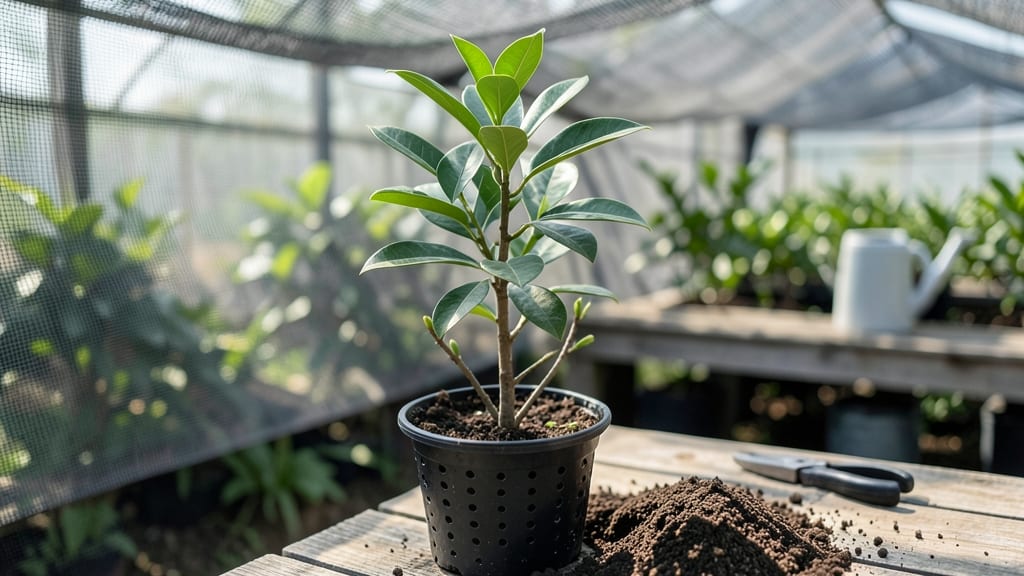
Growing a lychee tree from seedling to a sturdy sapling in just three months feels like nurturing a tiny tropical treasure. 🌱 The key is mimicking its natural subtropical habitat—warm days, high humidity, and rich, well-draining soil—so the seedling doesn’t get shocked into dormancy.
I’ve watched these delicate seedlings transform from fragile sprouts into 12-inch powerhouses with the right care, and the first real leaves are the most rewarding part.
You’ll need a humidity dome or plastic wrap to keep moisture locked in, a well-draining potting mix (think 60% peat or coco coir, 30% perlite, and 10% compost), and a warm spot—ideally 75–85°F during the day. Most people overwater at first, but lychee seedlings hate soggy roots.
Stick your finger an inch deep; if it’s damp, wait another day. The goal is to keep the soil consistently moist but never waterlogged, which can rot those tender roots before they even get a chance to grow.
By month three, you’ll have a sapling with bold, glossy leaves and a sturdy stem—proof you’ve given it exactly what it needs. The real magic happens when those first tiny flowers appear, though that takes patience.
What’s most satisfying is seeing the seedling outgrow its container, a sign it’s ready for its next home. The hardest part? Waiting for those first fruit clusters, which can take years—but every leaf is a step closer.
This method works best in USDA zones 10–12, but with a grow light and careful temperature control, you can coax them along in cooler climates too. The biggest mistake? Rushing the transition to bigger pots—lychee seedlings are sensitive to root disturbance.
Take your time, and soon you’ll have a sapling that’s ready to take on the world (or at least your backyard).
📚 In This Guide
- What you need
- Instructions
- Tips and common mistakes
- Wrapping up and next steps
What you need
- ● Lychee seeds: 3–5 fresh, plump seeds (harvested from ripe lychees—avoid store-bought, as they’re often treated to prevent sprouting).
- ● Well-draining potting mix: 2–3 gallons of a blend like 50% coconut coir, 30% perlite, and 20% compost (sterilized to prevent mold).
- ● Small seedling pots or trays: 4–6 biodegradable pots (3–4 inches in diameter) or a seed tray with drainage holes.
- ● Plastic wrap or humidity dome: To maintain moisture during germination.
- ● Spray bottle: For gentle watering (avoid over-saturating the soil).
- ● Grow lights or sunny windowsill: A south-facing window or LED grow light (12–16 hours/day) for seedlings.
- ● Fertilizer: A balanced, water-soluble fertilizer (e.g., 10-10-10) diluted to half-strength for early feeding.
- ● Pruning shears: Small, sharp scissors for trimming (sterilize with rubbing alcohol).
- ○ pH testing kit: Optional but helpful—lychees prefer soil pH 5.5–6.5.
- ○ Heat mat (optional): For faster germination (70–80°F is ideal).
- ● Larger container (6+ inches): For transplanting seedlings after 4–6 weeks.
- ● Patience & consistency: Lychee seeds can take 4–8 weeks to germinate—stay diligent!
Step-by-Step instructions for growing a lychee tree seedling
Here’s how I turn a lychee seed into a sturdy sapling in just three months—no green thumb required.
🌱 Step 1: Extract and Prepare the Seed
Start with a fresh lychee seed—never dried or stored for more than a week. Crack the hard outer shell carefully with a nutcracker or pliers, then rinse the exposed seed in lukewarm water to remove any remaining fruit residue. The seed’s outer coating is tough, so I soak it in water for 24 hours to soften it before planting.
Here’s the thing—lychee seeds germinate best when scarified. After soaking, gently rub the seed’s smooth side with fine-grit sandpaper until you see a slight rough texture. This mimics natural wear and signals the seed to break dormancy. Plant it within 12 hours of scarification, or it’ll dry out.
🪴 Step 2: Plant in a Moist, Well-Draining Mix
Fill a 4-inch pot with a blend of 50% potting mix and 50% perlite—this ensures drainage while keeping moisture. Insert the seed ½ inch deep, smooth side up, and press lightly to secure it. Water gently until the top inch of soil feels damp but not soggy. Lychee seedlings hate soggy roots, so avoid waterlogged soil.
Place the pot in a warm, shaded spot (65–75°F) with indirect light. A clear plastic bag over the pot traps humidity and speeds germination, but remove it once the first sprouts appear—usually in 2–4 weeks. Watch for the seedling’s first true leaves (not the initial cotyledons) to confirm successful germination.
☀️ Step 3: Transition to Bright, Filtered Light
Once the seedling has 3–4 true leaves, move it to bright, indirect sunlight for 4–6 hours daily. Direct sun now will scorch the delicate leaves. I use a sheer curtain to diffuse harsh afternoon rays. If your home lacks natural light, supplement with a grow light kept 6 inches above the plant for 12 hours daily. You’ll see strong, dark green leaves as a sign it’s thriving.
Water when the top inch of soil feels dry—lychee seedlings are drought-sensitive but won’t tolerate soggy soil. Use room-temperature water to avoid shocking the roots. Fertilize lightly with a balanced 10-10-10 liquid fertilizer diluted to half strength every 4 weeks starting at 8 weeks old. Over-fertilizing now will burn the roots.
✂️ Step 4: Prune and Harden for Outdoor Readiness
By 3 months, your sapling should be 6–12 inches tall with a sturdy stem. Pinch off the top set of leaves to encourage bushier growth—this redirects energy to lateral branches. If the stem leans toward the light, rotate the pot ¼ turn daily to keep it straight. Lychee trees grow fast once established, so pruning now prevents leggy, weak growth later.
Start hardening off the sapling by placing it outside in partial shade for 1–2 hours daily, gradually increasing time over 10 days. Avoid full sun or cold drafts—lychee seedlings are tropical and sensitive to temperature swings. Once it tolerates 6+ hours of indirect light without wilting, it’s ready for a 6-inch pot with fresh potting mix.
🌿 Step 5: Monitor for Pests and Adjust Care
Check the undersides of leaves weekly for aphids or spider mites—common pests on young lychee seedlings. Wipe them off with a damp cloth or spray with neem oil if they appear. Yellowing leaves? That’s usually overwatering—let the soil dry out more between waterings. Brown edges? Boost humidity with a pebble tray or mist lightly in the morning.
By 3 months, your sapling should be ready for a larger 1-gallon pot if kept indoors or planted in well-draining soil in a frost-free zone (USDA 10–11). Keep it in partial shade for the first year—direct sun will stress the young tree. With patience, you’ll have a lychee tree bearing fruit in 5–7 years—worth every step!
Tips & tricks for perfect lychee tree seedlings
These game-changing insights will help you avoid the most common pitfalls while growing your lychee seedling into a thriving sapling.
Seed Preparation Secret: In Step 1, the 24-hour soak is non-negotiable for breaking down that stubborn outer shell, but here's what nobody tells you—use room temperature water, not cold. Cold water shocks the seed and slows germination. Also, after scarification, place the seed on a damp paper towel in a sealed container for those critical 12 hours. This maintains perfect humidity while you prepare your planting mix. The slight rough texture from sandpaper should look like fine sandpaper grit, not a full-on sandblast job—just enough to signal the seed to wake up.
Germination Environment: The 65-75°F range in Step 2 is ideal, but here's the real talk: most homes aren't perfectly warm. If your kitchen runs cooler, place the pot on top of your fridge (not inside) to create a warm microclimate. And that plastic bag? Don't remove it too soon—wait until you see the first sign of a sprout, which might take up to 4 weeks in cooler conditions. The bag creates a greenhouse effect that mimics tropical humidity where lychee trees naturally grow.
Light Transition Strategy: When moving to bright indirect light in Step 3, start with just 2 hours on the first day and gradually increase by 1 hour daily. This gradual acclimation prevents sunburn on those delicate true leaves. I've seen seedlings go from vibrant green to crispy brown overnight when moved too quickly. Also, if using a grow light, keep it 6 inches away—closer distances can actually burn the leaves despite the indirect light promise.
Pruning Precision: In Step 4, when pinching off the top set of leaves, aim to remove just the topmost pair of true leaves, leaving at least 3-4 leaves below. This encourages branching while maintaining enough leaf surface for photosynthesis. And that daily rotation? Set a timer on your phone—it's easy to forget when you're excited about your growing plant. A crooked stem now means extra work later to straighten it.
Pro Tips for Lychee Tree Seedling
- These game-changing insights will help you avoid the most common pitfalls while growing your lychee seedling into a thriving sapling.
- Seed Preparation Secret: In Step 1, the 24-hour soak is non-negotiable for breaking down that stubborn outer shell, but here's what nobody tells you—use room temperature water, not cold.
- Germination Environment: The 65-75°F range in Step 2 is ideal, but here's the real talk: most homes aren't perfectly warm.
Frequently asked questions
Got questions about growing a lychee tree seedling? You’re not alone! Here are some of the most common concerns—plus quick, actionable answers to keep your sapling thriving.
How long does it take for a lychee seedling to sprout?
A lychee seed typically sprouts within 4–8 weeks if kept in warm, moist conditions (70–80°F). Patience is key—some seeds may take longer, especially if stored improperly. Pro tip: Soak seeds for 24 hours before planting to speed up germination!
Can I grow a lychee tree from a grocery store seed?
Yes, but expect unpredictable results. Store-bought lychees are often hybridized for flavor, not fruit production. For better odds, source seeds from a mature, disease-free tree or buy certified seedlings from a nursery. Warning: Even with good seeds, flowering/fruiting can take 5–10 years!
What’s the best temperature for lychee seedlings?
Lychee seedlings thrive in warmth (75–85°F)—they’re tropical, after all! Avoid cold drafts (below 50°F) or frost, which can stunt growth. If you’re in a cooler climate, start seedlings indoors under grow lights until spring. Hot tip: Use a heat mat for faster germination!
Why is my lychee seedling turning yellow or dropping leaves?
Yellowing leaves often signal overwatering, underwatering, or poor drainage. Check soil moisture—it should stay evenly damp, not soggy. Also, ensure your seedling gets bright, indirect light (direct sun can scorch tender leaves). Fix it fast: Repot if roots are waterlogged or adjust your watering schedule.
Do lychee seedlings need pruning early on?
Not yet! Prune only to remove dead/damaged leaves or shape the seedling after it’s established (6+ months old). Early pruning can stress the plant. Focus on supporting strong growth first—fertilize lightly with a balanced 10-10-10 mix every 2–3 months. Remember: Patience pays off—prune for structure later!
Wrapping up and next steps
Growing a lychee tree seedling from seed to sapling in just three months is an exciting and rewarding journey! With the right materials, a little patience, and consistent care, you’ll soon be nurturing a thriving young tree.
Whether you’re a beginner or a seasoned gardener, this process is a fantastic way to connect with nature and enjoy the sweet rewards of lychee fruit down the road.
Now that you’re armed with the knowledge, take the first step today—gather your supplies, prepare your growing space, and start planting! Your future lychee tree is waiting for you. 🌱✨