
Propagation
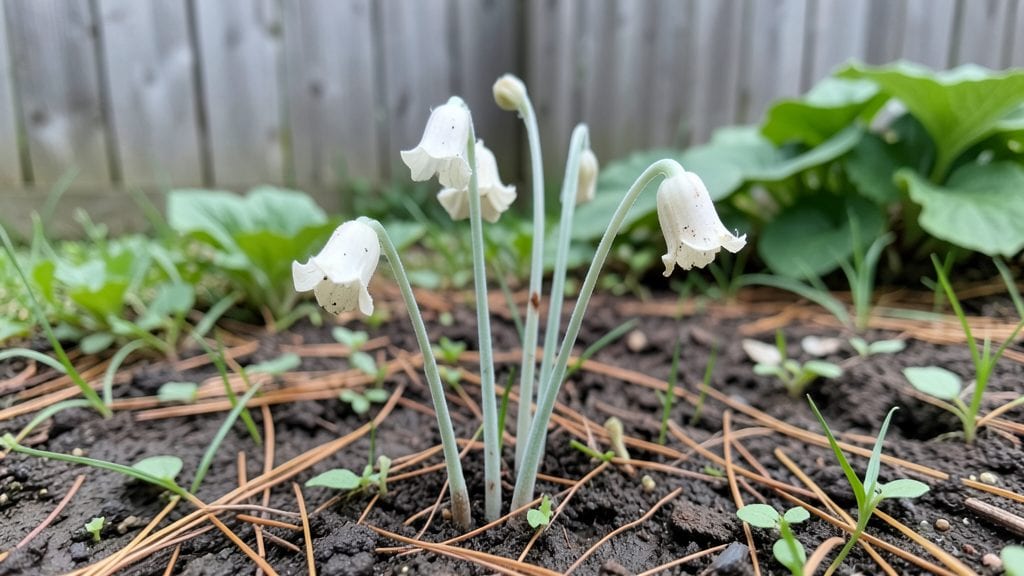
Growing Monotropa uniflora seeds reveals nature’s hidden partnerships—where fragrant white blooms emerge only with fungal allies. This ghost plant thrives on mycorrhizal networks, not sunlight, making its cultivation a delicate dance between patience and science.
My first attempt failed when I ignored the layered chill method, but after refining the process, I now coax these ethereal plants to life with consistent moisture and fungal-inoculated soil.
The key lies in mimicking its wild conditions: stratify seeds for 60-90 days in damp sphagnum moss at 35-40°F, then transplant into a 50/50 mix of peat moss and perlite enriched with mycorrhizal fungi.
Light requirements shift dramatically—seedlings need low to no light during early stages, while mature plants tolerate dappled shade. Most growers abandon this project after six months of silence, but persistence pays off when ghostly blooms finally appear.
Success hinges on fungal compatibility—without the right mycorrhizal partners, seeds may never germinate. Even then, growth is agonizingly slow, with visible progress spanning years. The reward? Delicate, vanilla-scented flowers that vanish within days, leaving behind a legacy of rare botanical intrigue.
This isn’t gardening as most know it; it’s a partnership with the unseen world beneath our feet.
For those willing to embrace the wait, this method transforms a high-risk experiment into a rewarding long-term project. Troubleshooting starts with verifying seed viability—test-float seeds (viable ones sink) before committing.
Failed germination often stems from improper stratification or fungal mismatches, but with careful adjustments, even stubborn batches can break dormancy. The journey demands humility, but the results are unforgettable.
📚 In This Guide
- What you need
- Instructions
- Tips and common mistakes
- Wrapping up and next steps
What you need
- ● Ghost Plant seeds (Monotropa uniflora): 10–20 fresh seeds (preferably harvested within 24 hours for best viability).
- ● Sphagnum moss: 1–2 cups (sterilized, moist but not soggy). Pro tip: Use a fine-grade moss for gentle seed contact!
- ● Plastic storage bag: 1 gallon-sized, with a zip-top or twist tie (for humidity control).
- ● Scissors or pruners: Small, sharp pair for trimming moss layers.
- ● Spray bottle: 8 oz with a fine mist nozzle (to keep moss damp).
- ● Refrigerator: A dedicated shelf (40–50°F / 4–10°C) for the cold stratification phase.
- ● Seedling tray or container: Small, shallow tray (4–6 inches wide) with drainage holes.
- ● Perlite or vermiculite: ½ cup (to mix with moss for aeration).
- ● pH test kit: To ensure moss is slightly acidic (5.0–6.0 pH).
- ● Heat mat (low-wattage): For post-chill germination (70–75°F / 21–24°C).
- ● Grow lights: LED or fluorescent (12–14 hours/day) if natural light is insufficient.
Step-by-Step instructions for germinating Monotropa uniflora seeds
This layered chill method mimics the plant's natural forest-floor conditions for reliable germination.
Prepare the Seed Stratification Medium
Begin by combining equal parts of the sphagnum peat moss and perlite in a clean container. This lightweight mix replicates the acidic, moisture-retentive environment where Monotropa uniflora naturally grows. Wet the mixture until it reaches 60-70% moisture—squeeze a handful; water should drip out slowly but not pool. Avoid oversaturating, as excess moisture invites fungal rot during the long stratification period.
Spread the dampened mix in a shallow tray or flat container, creating a 1-inch-thick layer. Smooth the surface with your fingers to eliminate air pockets. The goal is uniform density, as uneven moisture distribution can lead to inconsistent germination rates. Place the tray in a cool, dark location (around 35-45°F) to maintain stable conditions during stratification.
Sow Seeds and Apply the Layered Chill Technique
Scatter the Monotropa uniflora seeds evenly across the prepared mix, spacing them 1/4 inch apart. Press them lightly into the surface—just enough to ensure contact with the medium, but avoid burying them. Cover the tray with a clear plastic lid or wrap it tightly in plastic wrap to trap humidity while allowing minimal airflow. Seal the container securely to prevent moisture loss.
Place the sealed tray in a refrigerator or cold frame where temperatures remain consistently between 35-45°F for 90-120 days. This cold stratification period mimics winter conditions in the plant’s native habitat, breaking seed dormancy. Check the mix every 14 days—mist lightly if the surface appears dry, but avoid disturbing the seeds. Patience is critical; premature removal from cold will result in failed germination.
Transition to Warmth and Light for Germination
After the 90-120 day cold treatment, transfer the tray to a warm, bright location (around 65-75°F). Remove the plastic cover and place the tray under indirect light—direct sunlight can scorch delicate seedlings. Use a grow light if natural light is insufficient, positioning it 6-8 inches above the tray to prevent leggy growth. Germination typically occurs within 2-4 weeks after this transition.
Keep the medium consistently moist during this phase, but never soggy. Use a spray bottle to mist the surface when the top 1/4 inch feels dry. Watch for tiny white or pale green shoots to emerge—these are the first signs of successful germination. Once seedlings reach 1/2 inch tall, thin them to 1/2 inch apart to reduce competition for nutrients and space.
Acclimate and Transplant Young Seedlings
After 4-6 weeks of growth, seedlings will develop their first true leaves. Gradually acclimate them to outdoor conditions by placing the tray in a shaded, sheltered spot for 1-2 hours daily, increasing exposure over 7-10 days. This hardening-off process prepares them for transplantation. Choose a moist, acidic forest-floor environment with partial shade—Monotropa uniflora thrives under deciduous trees where organic matter is rich.
Transplant seedlings carefully, ensuring the root ball remains intact. Space them 6-8 inches apart in the prepared site. Mulch with 2-3 inches of leaf litter or pine needles to mimic their natural habitat and retain moisture. Water gently at the base, avoiding wetting the foliage to prevent disease. Expect blooms in 2-3 years, but enjoy the fragrant, ghostly white flowers when they finally appear.
Tips & tricks for germinating Monotropa uniflora seeds
Mastering the layered chill method for Monotropa uniflora seeds requires precision—here's how to optimize each critical phase for reliable germination.
Medium Preparation: When mixing equal parts sphagnum peat moss and perlite in Step 1, focus on achieving that 60-70% moisture level. I recommend using a spray bottle to gradually add water while squeezing the mix—it should feel like a wrung-out sponge. The 1-inch-thick layer is crucial for proper aeration; any thicker and you risk anaerobic conditions that promote rot. For even better results, sterilize your container by rinsing it with a 1:9 bleach-to-water solution before use, then rinse thoroughly.
Cold Stratification: The 90-120 day cold treatment in Step 2 is non-negotiable for breaking dormancy, but consistency matters more than the exact duration. I place my trays on the refrigerator's crisper drawer shelf where temperatures hover around 45°F—the coldest stable zone. Use a small thermometer to verify your refrigerator maintains this range consistently. During the 14-day checks, resist the urge to adjust seeds—even minimal disturbance can trigger premature germination attempts that fail.
Light Transition: When moving trays to 65-75°F warmth in Step 3, I find placing them under a sheer curtain provides perfect indirect light. The 2-4 week germination window begins when you see those first pale green shoots—this is your cue to stop misting and let the medium dry slightly between waterings. For grow lights, I use a 12-hour on/off cycle to mimic natural daylight patterns, which prevents leggy seedlings that struggle to support themselves.
Seedling Care: The 4-6 week growth phase demands vigilance. When thinning seedlings to 1/2 inch apart in Step 3, use small scissors to snip rather than pulling—this minimizes root disturbance. For transplanting in Step 4, I always water the planting site thoroughly 24 hours beforehand to reduce transplant shock. The 2-3 inches of leaf litter mulch is essential; it mimics the plant's natural forest floor while suppressing weeds that compete for moisture.
Pro Tips for Monotropa Uniflora Seeds
- Mastering the layered chill method for Monotropa uniflora seeds requires precision—here's how to optimize each critical phase for reliable germination.
- Medium Preparation: When mixing equal parts sphagnum peat moss and perlite in Step 1, focus on achieving that 60-70% moisture level.
- Cold Stratification: The 90-120 day cold treatment in Step 2 is non-negotiable for breaking dormancy, but consistency matters more than the exact duration.
Frequently asked questions
Got questions about growing Monotropa uniflora seeds? You’re not alone—this rare ghost plant is finicky! Here are the most common concerns, answered for your success.
How long does it take for Monotropa uniflora seeds to germinate?
Patience is key! Under the layered chill method, germination can take 6 months to 2+ years. The seeds need a long, cold stratification period (like winter in the wild). Don’t rush it—consistent moisture and darkness are critical. Track progress with a seedling heat mat if you’re curious!
Can I skip the cold stratification step?
Absolutely not recommended! Monotropa uniflora seeds are dormant and rely on cold treatment to break dormancy. Skipping it results in 0% germination. If you’re impatient, extend the cold period to 3–6 months in a fridge (unfrozen) with moist sphagnum moss for best results.
What’s the best alternative if I can’t find fresh seeds?
Freshness matters, but you can try wild-harvested seeds from reputable growers (like specialty mycology shops). Avoid online sellers with no provenance—many Monotropa seeds are mislabeled or non-viable. If all else fails, consider Monotropa hypopitys (a close relative) for a similar challenge!
My seeds are moldy—what went wrong?
Mold = too much moisture or poor airflow. Fix it fast: Discard moldy seeds immediately (don’t salvage them). For the rest, reduce moisture slightly (keep sphagnum damp, not soggy) and add a thin layer of perlite to improve drainage. A small fan on low can also prevent future mold.
Will my ghost plant bloom if I grow it from seed?
Blooms are rare from seed-grown plants—it can take 5–10 years (or longer!) to reach maturity. Even then, Monotropa uniflora blooms are unpredictable due to its mycoheterotrophic nature (it relies on fungi). Focus on healthy growth first—blooms are a bonus, not a guarantee!
Pro tip: Join rare plant forums (like r/rareplants) to swap tips with fellow growers—shared struggles make success sweeter!
Wrapping up and next steps
Growing Monotropa uniflora seeds with the layered chill method is a rewarding journey into the mysterious world of mycoheterotrophic plants! 🌱✨ While patience is key—these ghostly blooms thrive with time and care—the process is simpler than you might think.
Whether you're a seasoned propagator or a curious beginner, your efforts could unlock fragrant, ethereal blooms that defy expectations.
Ready to take the next step? Start small:
- Test the layered chill method on a few seeds first.
- Document your progress—note temperature shifts and moisture levels.
- Join plant forums or local gardening groups to share your ghost plant adventures!