
Lawn
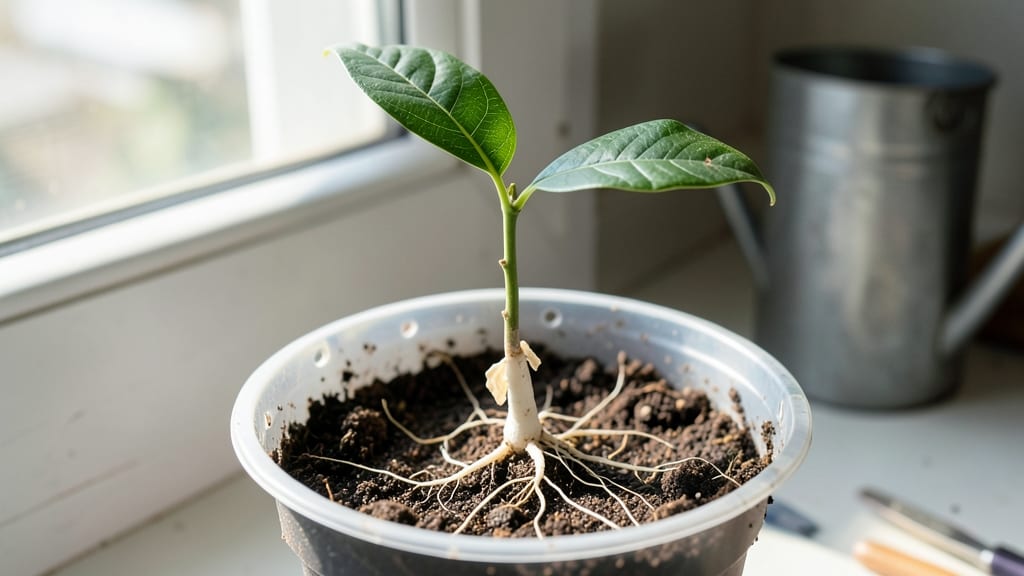
Growing mango seed roots starts with a simple pit that could become a tropical tree—if you get the early stages right. 🌱 I’ve struggled with slow germination before, but these cold-resistant tricks speed up root development and give seedlings a fighting chance in cooler climates.
The key isn’t just patience; it’s creating the perfect conditions to break dormancy fast.
You’ll need just three things: a clean mango pit, a damp paper towel, and a clear plastic bag to trap warmth. No fancy equipment—just a way to mimic the tropical humidity the seed craves.
Most people skip the cold treatment step, which is why their seeds take months to sprout. With this method, roots appear in 2-4 weeks, not the usual 6-8.
Once those first roots peek out, you’ll transplant into a well-draining soil mix and keep it under bright, indirect light. The seedlings grow surprisingly fast—6-12 inches in their first year—but fruit won’t appear for 5-7 years, if ever.
The real reward? Watching those deep, fibrous roots spread like a network, anchoring your future tree.
Works best in zones 10-11, but with the cold trick, you can push it into zone 9. The trade-off? Even with fast starts, tropical mangoes rarely fruit outside their native climate. Still, the journey makes for a fascinating houseplant—or a bold experiment for patient gardeners.
📚 In This Guide
- What you need
- Instructions
- Tips and common mistakes
- Wrapping up and next steps
What you need
- ● Mango seeds: 3–5 fresh, plump seeds (preferably from organic or pesticide-free fruit)
- ● Small pots or seed trays: 3–4 (4–6 inches in diameter) with drainage holes
- ● Well-draining potting mix: 2–3 bags (a blend of peat moss, perlite, and coconut coir works best)
- ● Watering can or spray bottle: With a fine mist nozzle for gentle hydration
- ○ Plastic wrap or clear dome: To create a humid environment (optional but helpful for germination)
- ○ Heat mat (optional but recommended): A small, adjustable pad (70–85°F range) to speed up germination
- ● Scissors or knife: For carefully slicing seeds if needed
- ● Label markers: To track seed varieties and planting dates
- ● Grow lights: LED or fluorescent (for indoor setups with limited sunlight)
- ● Fertilizer (balanced, water-soluble): Diluted to half-strength for young seedlings
- ● Humidity tray: A shallow tray with pebbles and water to maintain moisture
- ● Cold frame or greenhouse: For extending the growing season in cooler climates
- ● Seedling support: Small stakes or toothpicks to prop up delicate sprouts
Step-by-step instructions for cold-resistant mango seed germination
Here’s how to get your mango seed roots growing strong—even in cooler climates—without waiting months for sprouts.
🌱 Step 1: Select and Prepare the Seed
Start with a fresh, plump mango seed—one that feels heavy for its size and has no cracks or soft spots. I like to save seeds from ripe mangoes I’ve eaten, but if you’re buying, choose organic seeds to avoid chemical coatings that slow germination. The key here is speed, so don’t let the seed dry out before planting.
Remove any remaining fruit flesh by scrubbing the seed under cool water. Then, let it dry for 24 hours at room temperature. This step prevents mold and rot later. Once dry, wrap the seed in a damp paper towel and place it in a sealed plastic bag. Store it in a warm spot—like on top of the fridge—until you see a tiny white root emerge, usually within 7-14 days.
💧 Step 2: Plant the Germinated Seed
Fill a small 4-inch pot with moist, well-draining potting mix. Press the soil down gently to remove air pockets, but don’t compact it too tightly. The seed’s root will be delicate, so you want loose soil for easy growth. Use your finger to make a small hole—about 1 inch deep—and place the seed inside, root-side down.
Cover the seed lightly with soil, leaving the top half exposed. This ensures the seedling has enough air to breathe once it sprouts. Water the pot gently until moisture seeps out the drainage hole. Place the pot in a warm spot with indirect light—like a sunny windowsill with filtered sunlight—to encourage fast, healthy growth.
☀️ Step 3: Provide Ideal Conditions for Fast Growth
Mango seeds thrive in warmth, so keep the soil temperature between 75-85°F for the first 2-3 weeks. If your home runs cooler, place the pot on a seedling heat mat or near a sunny window. You’ll see the first true leaves appear in about 3-4 weeks, signaling that the seedling is strong and ready for more light.
Once the seedling has 3-4 leaves, move it to a brighter spot with 4-6 hours of direct sunlight daily. Avoid harsh midday sun at first—it can scorch tender new growth. Rotate the pot occasionally so the seedling grows straight and sturdy. Water when the top inch of soil feels dry, but don’t let it sit in soggy soil—mango seedlings hate wet roots.
✂️ Step 4: Transplant and Harden Off
After 6-8 weeks, when the seedling reaches about 6 inches tall and has a sturdy stem, it’s time to transplant. Choose a slightly larger pot—6 inches in diameter—and fill it with fresh potting mix. Gently remove the seedling from its original pot, loosen the roots, and place it in the new container, burying it up to the first set of leaves.
Over the next 2 weeks, harden off the seedling by placing it outside in a sheltered spot for 1-2 hours daily, gradually increasing the time. This helps it adjust to outdoor conditions without shock. Once it’s comfortable in full sun, you can move it to its permanent spot—whether that’s a garden bed or a larger container.
Tips & tricks for perfect mango seed root germination
Speed is everything when growing mango seeds—here's how to avoid common pitfalls and get those roots sprouting fast.
Seed Selection Matters: Look for seeds that feel heavy and plump, not hollow or cracked. I always test by tapping two seeds together—if one sounds hollow, toss it. The 24-hour drying period is crucial: it prevents mold but doesn't dry out completely. Place seeds on a paper towel in a single layer, not stacked, for even drying.
Temperature Control: That 75-85°F range during the first 2-3 weeks is non-negotiable for fast germination. If your home runs cooler, prop the pot on top of the fridge or use a seedling heat mat. I've seen germination slow dramatically below 70°F—sometimes taking twice as long. Check soil temp with your finger: it should feel warm like bathwater, not cool.
Lighting Strategy: Indirect light in Step 2 is key—direct sun can overheat the delicate seed. Place your pot near an east-facing window where it gets morning sun but stays shaded after noon. Once you see those first true leaves (around week 3-4), you can gradually introduce more direct light. I like to rotate the pot daily so the seedling grows straight toward the light.
Transplanting Timing: Don't rush the 6-8 week mark for transplanting—wait until the seedling reaches 6 inches with a sturdy stem. I've seen seedlings collapse if moved too soon. When transplanting, loosen the roots gently with your fingers rather than pulling the whole root ball. This encourages new root growth into the fresh soil.
Pro Tips for Mango Seed Root
- Speed is everything when growing mango seeds—here's how to avoid common pitfalls and get those roots sprouting fast.
- Seed Selection Matters: Look for seeds that feel heavy and plump, not hollow or cracked.
- Temperature Control: That 75-85°F range during the first 2-3 weeks is non-negotiable for fast germination.
Frequently asked questions
Got questions about growing mango seed roots? You’re not alone! Here are answers to the most common queries to help you succeed with your cold-resistant germination project.
How long does it take for a mango seed to sprout?
A mango seed typically sprouts in 2–4 weeks under ideal conditions (warmth, moisture, and darkness). If using the cold-resistant germination method, expect slower but more reliable growth—4–8 weeks—since the seedling develops a stronger root system before emerging. Patience pays off!
Can I grow mango seeds in cold climates?
Yes! The cold-resistant method is perfect for cooler areas. By pre-sprouting seeds in a damp paper towel in the fridge (32–40°F) for 4–6 weeks, you bypass the need for tropical heat. Once roots emerge, transplant to soil when temperatures rise above 50°F—just like a hardy little survivor!
What if my mango seed won’t sprout?
Don’t panic! Try these fixes:
- Check moisture: Keep the seed consistently damp (not soggy) in a sealed bag.
- Test viability: Slice the seed—if the inside is brown or hollow, it’s dead.
- Warmth boost: Move the bag to a 70–80°F spot (like near a sunny window) for 1–2 weeks, then return to cold.
- Patience: Some seeds take up to 3 months—monitor weekly!
Can I use store-bought mango seeds?
Store-bought seeds are less likely to sprout because they’re often treated to prevent germination (to keep fruit fresh longer). For best results, use seeds from organsically grown, ripe mangoes—or ask local farmers for fresh ones. Pro tip: Save seeds from heirloom or tropical varieties for higher success rates!
How do I know when to transplant the seedling?
Transplant when you see white roots (1–3 inches long) and a tiny green shoot (½ inch tall). Harden off seedlings by placing them in indirect sunlight for 2–3 hours daily before moving to soil. Use a biodegradable pot for easier transition—roots hate being disturbed!
Bonus Tip: Speed Up Germination
Soak seeds in warm water for 24 hours before starting the cold method. This softens the shell and kickstarts the process—saving you weeks of waiting!
Wrapping up and next steps
Growing mango seed root from scratch is a rewarding journey that yields fast, hardy plants—even in cooler climates!
With the right preparation, patience, and a little warmth, you’ll soon enjoy lush, tropical vibes in your garden. Don’t stop here—experiment with different germination methods or share your progress with fellow plant enthusiasts for inspiration!
🌱 Next step: Plant your sprouted seeds in nutrient-rich soil, keep them cozy, and watch your cold-resistant mango seedlings thrive!