Trees
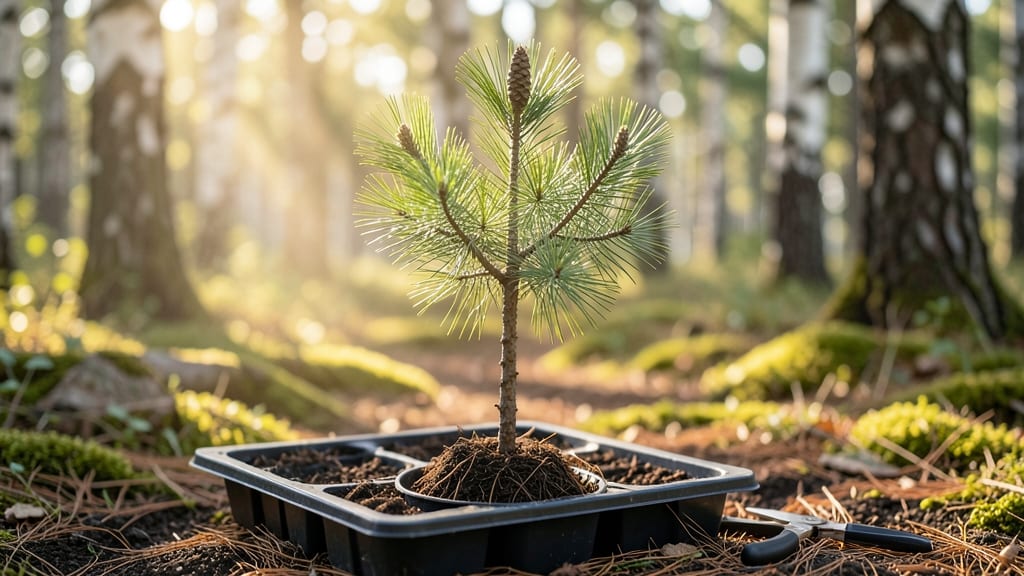
Starting pine cone seedlings begins with soaking pine cones in water for 24 hours, then planting the seeds in well-draining, moist soil while maintaining temperatures between 70-80°F and indirect sunlight. Germination can take anywhere from 4 to 12 weeks, so consistency in moisture and patience are essential.
Many pine species need a cold stratification period to break seed dormancy, which mimics winter conditions in nature. 🌱 I’ve found that storing cones in a damp paper towel in the fridge for 30 days before planting can significantly boost germination rates.
Once planted, these young seedlings need gentle care—overwatering is a common pitfall that can lead to root rot, so always let the top inch of soil dry out between waterings. The right balance of warmth and humidity creates the perfect environment for those tiny roots to establish.
💡 In This Article
- How to Extract and Prepare Pine Tree Seeds
- Best Pine Seedling Varieties for Beginners
How to extract and prepare pine tree seeds
Extracting seeds from pine cones is where the journey begins, but it's not as simple as shaking them out. Fresh cones often close tightly when dry, so you'll need to soak them in lukewarm water (around 90°F) for 24-48 hours to soften the scales.
This hydration process allows the seeds to separate naturally—just place the soaked cone on a cutting board and gently pry open the scales with your fingers or a butter knife.
The seeds will appear as small, 1/4-inch-long brown ovals nestled between the cone's inner layers, often with a tiny wing for wind dispersal.
For dried cones, the process differs slightly. They require a cold stratification period (4-8 weeks in the fridge) to mimic winter conditions and break dormancy. After stratification, soak them in water for 12 hours before extraction. The key here is patience—rushing can damage the delicate seeds.
Once extracted, separate them from the cone debris using a fine mesh strainer or by gently blowing away the chaff. 🌲 The seeds should feel firm but slightly pliable, not brittle.
Preparing these seeds for planting involves a sterilized soil mix that mimics their natural forest floor habitat. Combine 50% peat moss (for moisture retention) with 30% perlite (for drainage) and 20% coarse sand. This blend prevents waterlogging while maintaining the humidity these seedlings crave.
Before planting, give the soil a light mist with a spray bottle to achieve 60-70% moisture—like a wrung-out sponge. The seeds should sit just below the surface, barely covered, as they need light to trigger germination.
Temperature control is critical during this phase. Most pine species germinate best in 70-80°F conditions, but some cold-hardy varieties like Scots pine prefer 60-65°F. Use a seedling heat mat set to 75°F if your home runs cooler to maintain consistency.
Humidity is equally vital—cover the tray with plastic wrap to create a mini greenhouse effect, but remove it daily for 10-15 minutes to prevent mold. The goal is to keep the environment moist without drowning the seeds.
Here's what's actually happening during stratification: The cold period breaks down internal seed inhibitors, allowing enzymes to activate and prepare the seed for growth. Without this step, many pine seeds simply won't sprout. Think of it like waking a hibernating animal—it needs the right conditions to emerge.
For species like Ponderosa pine, stratification can take up to 12 weeks, while faster germinators like Austrian pine may only need 4-6 weeks. This variation is why identifying your pine species matters so much.
One common mistake is assuming all pine seeds are ready to plant immediately after extraction. Some species, like the Eastern White Pine, require two stratification cycles—first in the fridge, then in the freezer—to simulate alternating winter seasons.
For these picky seeds, a moist paper towel method works well: Fold the towel, place the seeds between layers, and store in a sealed bag in the fridge for 60-90 days. Check periodically for sprouting—if you see tiny white roots, it's time to plant.
Finally, the sensory cues matter too. Healthy pine seeds should smell earthy and fresh, not musty or sour. If they emit a sharp odor, they've likely gone bad during storage.
When planting, aim for a seed-to-soil ratio of 1:2—one seed per two inches of space—to give roots room to spread. The first signs of germination are a tiny green shoot breaking through the soil, followed by a cotyledon (seed leaf) unfolding.
This moment is pure magic, proof that your patience and preparation paid off. 💫