
Pruning
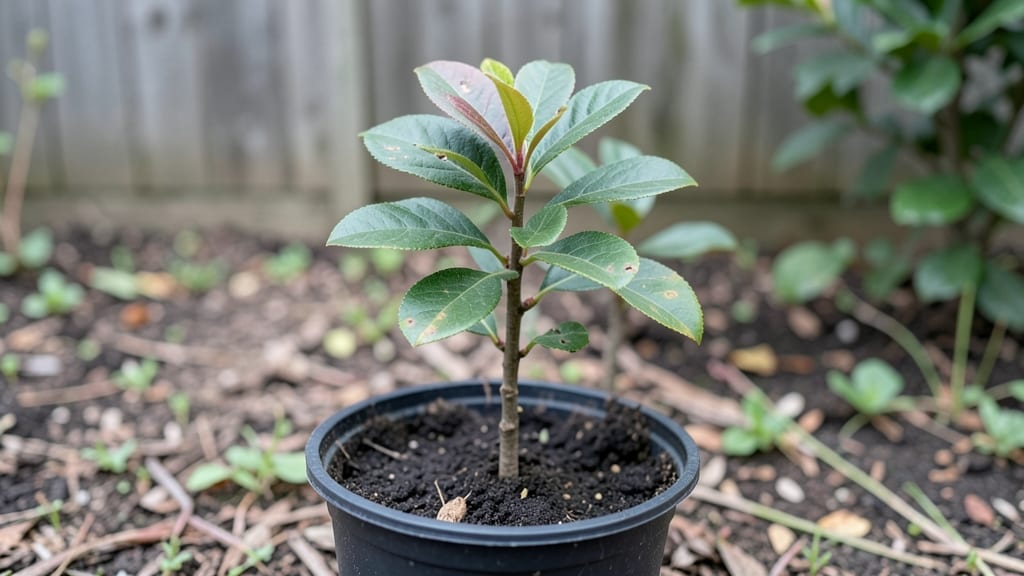
Growing a loquat tree from seedling might sound slow, but in just three years, you'll have a lush, year-round privacy screen that outshines any fence. 🌿 The key is patience—these trees grow steadily, but with the right care, they'll reward you with glossy leaves and occasional sweet fruit by year three.
I've turned my backyard into a fragrant, evergreen barrier using this exact method, and you can too.
The secret lies in mimicking their natural tropical habitat: well-draining soil, partial shade during hot afternoons, and consistent moisture without soggy roots. Most people overwater, which causes root rot—the single biggest killer of young loquat seedlings.
Start with a 5-gallon container and move to the ground only when roots fill the pot, usually by late spring of the second year.
By year three, your tree will stand 6-8 feet tall, dense enough to block nosy neighbors while letting light filter through. The real magic? Those glossy leaves stay vibrant all winter, unlike many privacy plants that go dormant.
Prune lightly in late winter to encourage bushier growth, and watch your screen transform from bare stems to lush foliage by spring.
Works in zones 8-11, but even cooler climates can grow them in containers and overwinter indoors. Here's how to keep yours thriving from that first fragile seedling through its privacy-screen prime—no green thumb required, just consistent care.
📚 In This Guide
- What you need
- Instructions
- Tips and common mistakes
- Wrapping up and next steps
What you need
- ● Loquat tree seedling: Purchase a healthy 1-2 year old seedling (3–6 feet tall) from a nursery or online supplier. Ensure it’s disease-free and well-rooted.
- ● Well-draining potting mix: 5–10 gallons (depending on pot size) of a blend designed for citrus or fruit trees (e.g., 60% potting soil, 20% perlite, 20% compost).
- ● Container or planting site: For containers: A 15–25 gallon pot with drainage holes (diameter ≥ 12 inches).
- ● For in-ground planting: A hole twice as wide as the root ball and deep enough to accommodate it without bending.
- ● Pruning tools: Bypass pruners (for small branches, ¼–½ inch thick).
- ● Loppers (for thicker branches, ½–1½ inches).
- ● Sterilizing solution (70% isopropyl alcohol or bleach-water mix).
- ● Mulch: 2–3 inches of organic mulch (e.g., wood chips, straw, or pine bark) to retain moisture and suppress weeds.
- ● Fertilizer: Slow-release citrus fertilizer (10-10-10 or 8-3-9 ratio) or organic options like composted manure.
- ● Watering can or hose: With a gentle spray nozzle to avoid damaging tender seedlings.
- ○ Support stakes (optional but recommended): 4–6 foot bamboo or metal stakes + soft tree ties to secure young trees in windy areas.
- ● Root stimulator: A powder or liquid (e.g., Mycorrhizal fungi) to boost root growth during transplanting.
- ● Shade cloth: 30–50% coverage for seedlings in hot climates (first 2–3 weeks post-planting).
- ● Soil pH tester: To ensure your soil is slightly acidic (pH 6.0–7.0), ideal for loquats.
- ● Pest control: Neem oil or insecticidal soap for early signs of aphids or scale.
- ● Growth regulator: (e.g., Paclobutrazol) to promote bushier growth if planting closely for a hedge.
Step-by-step instructions for growing a loquat tree seedling
Here’s how I turn a single loquat pit into a sturdy 4-foot privacy screen in just three years.
🌱 Step 1: Extract and Prepare the Loquat Pit
Start by washing a fresh loquat pit thoroughly under cool water to remove any remaining fruit residue. Use a sharp knife to carefully slice off the hard outer shell, exposing the seed inside. The seed is the small, brown nut-like center—this is what you’ll plant. Real talk: Don’t rush this step. A clean seed means fewer fungal issues later.
Place the exposed seed between two paper towels and dampen them slightly. Fold the towels and store them in a sealed plastic bag. Keep the bag in a warm spot, like on top of your fridge, where temperatures stay around 75-80°F. Check daily—keep the towels moist but not soggy. You’ll see the seed sprout in 2-4 weeks. This is the moment that matters: patience here prevents leggy seedlings later.
🪴 Step 2: Plant the Germinated Seed
Once the seed sprouts a 1-inch root and a tiny shoot, it’s ready for soil. Fill a 4-inch nursery pot with well-draining potting mix (avoid garden soil—it’s too dense). Make a small hole in the center, about ½ inch deep, and gently place the seed with the shoot facing up. Cover it lightly with soil, pressing down just enough to secure it.
Water the pot until moisture seeps from the drainage hole, then let it drain completely. Place the pot in bright, indirect light—like a south-facing window—but avoid direct sun, which can scorch tender new leaves. You’ll see the first true leaves appear in 3-4 weeks. If the soil feels dry to the touch after 5-7 days, water again. Overwatering now will drown the delicate roots.
☀️ Step 3: Transition to Outdoor Conditions
After the seedling develops 4-5 true leaves (not just the initial cotyledons), it’s time to harden it off. Move the pot outside to a shaded, sheltered spot for 2-3 hours the first day. Gradually increase exposure over 10-14 days, adding an hour each day until it can handle full sun. Loquats thrive in full sun to partial shade, but young plants need time to adjust.
Once hardened off, transplant the seedling into a 1-gallon container with fresh potting mix. Choose a spot with well-draining soil and morning sun to start. Water deeply after planting, then let the top 1 inch of soil dry out before watering again. You’ll notice new growth within 2-3 weeks—this is your sign the seedling is thriving. Skip fertilizing for the first 6 months; young roots are sensitive to salts.
🌿 Step 4: Prune and Train for a Dense Screen
When your loquat reaches 2 feet tall, it’s time to shape it. Use clean pruning shears to trim back the top 2-3 inches of the main stem. This encourages branching, which is key for a full privacy screen. Remove any weak or crossing branches—keep only the strongest stems. You’ll see new side shoots emerge within 4-6 weeks. These will become your screen’s framework.
To promote bushiness, pinch back the tips of these new shoots when they reach 6 inches. Repeat this process every 4-6 weeks during the growing season. By year three, your tree should have a dense canopy of glossy leaves. Mulch around the base with 2-3 inches of organic mulch to retain moisture and keep roots cool. Avoid piling mulch against the trunk—this can cause rot.
Tips & tricks for perfect loquat tree seedlings
Growing a loquat tree from a single pit might seem tricky, but these pro tips will help you avoid common pitfalls and nurture a thriving privacy screen.
Temperature Matters: That 75-80°F range for germinating seeds is non-negotiable. If your kitchen runs cooler, place the bag near a sunny window or use a seedling heat mat. Too cold? The seed may rot before sprouting. I learned this the hard way after watching three seeds fail in a chilly basement. The warm spot on top of your fridge works perfectly because it maintains steady warmth without overheating.
Lighting Secret: In Step 2, when placing your seedling in bright indirect light, avoid the temptation to move it closer to the window. Direct sun at this stage will scorch those delicate new leaves. Instead, use sheer curtains to diffuse light if needed. You'll know you've got the right balance when the leaves stay vibrant green—not yellow or brown. After the first true leaves appear in 3-4 weeks, you can gradually introduce more light.
Pruning Strategy: When your loquat reaches 2 feet tall and you're ready to trim those top 2-3 inches, make your cuts just above a leaf node where new growth can emerge. This is where those crucial side shoots will form. I always use clean pruning shears to prevent disease transmission. After pruning, give your tree a light watering to help it recover. The new side shoots should appear within 4-6 weeks, but if you don't see any after 8 weeks, consider a gentle pinch of the main stem to encourage branching.
Hardening Off Hack: During the 10-14 day hardening off process, I like to move the plant to slightly different shaded spots each day. This helps it adapt to changing light conditions and wind exposure. Start with the most protected spot and gradually work toward your final planting location. Watch for wilting—this is your plant's way of saying "too much sun too soon." If you notice this, move it back to shade and extend the hardening off period by a few days.
Pro Tips for Loquat Tree Seedling
- Growing a loquat tree from a single pit might seem tricky, but these pro tips will help you avoid common pitfalls and nurture a thriving privacy screen.
- Temperature Matters: That 75-80°F range for germinating seeds is non-negotiable.
- Lighting Secret: In Step 2, when placing your seedling in bright indirect light, avoid the temptation to move it closer to the window.
Frequently asked questions
Got questions about growing a loquat tree seedling? You’re not alone! Here are answers to the most common concerns—from planting to troubleshooting—so you can get started with confidence.
How long does it take for a loquat tree seedling to grow into a privacy screen?
A well-cared-for loquat tree seedling can reach 6–10 feet tall in 3–5 years, making it a fast-growing privacy screen. With proper spacing (10–15 feet apart) and regular pruning, you’ll see a lush, dense barrier in no time! For faster results, consider transplanting a slightly larger nursery-grown sapling.
When is the best time to plant a loquat tree seedling?
The ideal window is late winter or early spring (just before new growth starts), but you can also plant in fall (4–6 weeks before your first frost). Avoid extreme heat or cold—loquats hate transplant shock! If you’re in a warm climate, October–March is your sweet spot.
How cold can a loquat tree seedling tolerate?
Loquat trees thrive in USDA Zones 8–11 and can handle brief dips to 20–25°F (-6 to -4°C). Younger seedlings are more sensitive—protect them with mulch or a frost cloth if temps drop below freezing. In colder zones, grow them in containers and overwinter indoors or in a greenhouse.
What do I do if my loquat seedling’s leaves turn yellow?
Yellow leaves usually signal overwatering or nutrient deficiency. First, check the soil—it should stay moist but not soggy. If the roots feel mushy, let the soil dry out. For yellowing between veins, your seedling may need iron or nitrogen (use a balanced fertilizer). Pests like spider mites can also cause stress—inspect the undersides of leaves!
Can I grow a loquat tree from seed, or should I buy a seedling?
While you can grow from seed, it’s a gamble—seed-grown trees may take 5–10 years to fruit (if they do at all) and won’t match the reliability of grafted nursery seedlings. For a privacy screen, buy a 1–2 year old seedling from a reputable grower to ensure faster, healthier growth.
Pro Tip:
Need a quick privacy fix? Plant loquat seedlings in a double-row hedge—space them 3–4 feet apart and prune aggressively in early spring to encourage bushier growth. Within 2–3 years, you’ll have a dense, fragrant screen that also produces sweet fruit!
Wrapping up and next steps
Growing a loquat tree seedling into a lush, year-round privacy screen is not only achievable but incredibly rewarding! With the right care—like proper spacing, pruning, and soil prep—you’ll enjoy fragrant blooms, edible fruit, and a stunning natural barrier in just three years. 🌿
Now that you’re armed with the know-how, take the next step! Start by gathering your seedlings and tools, then mark your planting spots with confidence. Before you know it, your backyard will be transformed into a private, fragrant oasis. Happy planting! 🌱✨