
Blooming
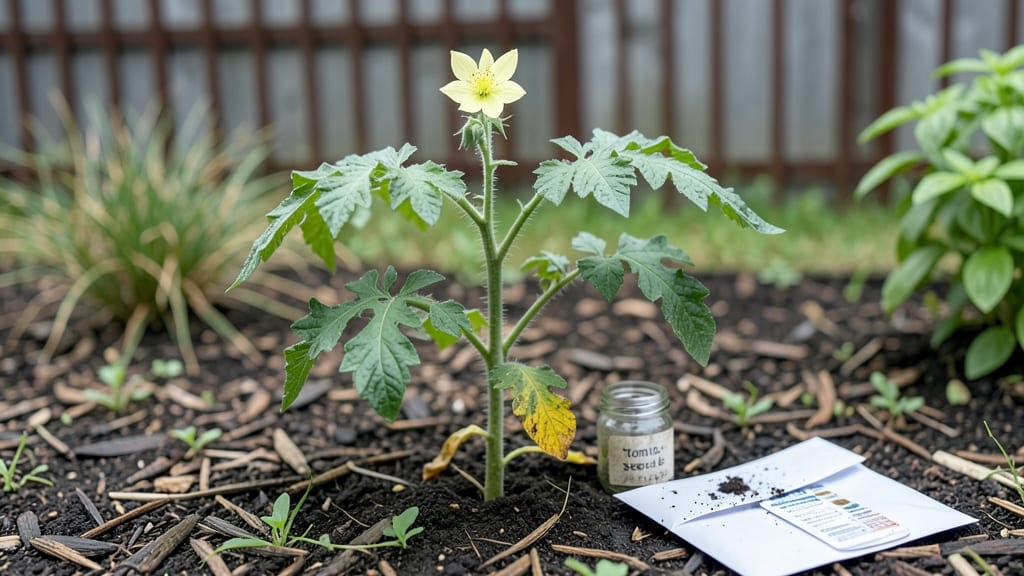
To determine how long tomato seeds stay viable, they typically remain usable for 3 to 5 years when stored properly, though their germination success drops noticeably after two years. Keeping them in a cool, dark environment with stable moisture levels preserves their potential the longest.
Understanding seed viability depends on more than just time—it's about creating the right conditions to slow down natural degradation. 💫 The key factors include moisture control (seeds need to be completely dry before storage) and temperature stability (below 40°F is ideal).
Many gardeners swear by storing seeds in paper envelopes rather than airtight containers, as excess moisture buildup can actually accelerate spoilage.
What's fascinating is how even small variations in storage can mean the difference between a thriving garden and wasted seeds—like the time I accidentally left a batch in a humid basement and saw germination rates plummet by 40% within just six months.
For maximum results, I recommend testing a small batch of seeds annually after their second year to monitor viability. This simple step can save you from planting hundreds of seeds only to find they won't sprout.
The science behind this is that seeds contain enzymes that gradually break down over time, especially when exposed to oxygen or temperature fluctuations. That's why professional seed banks use specialized equipment to maintain conditions like 10% humidity and 0°F storage temperatures for long-term preservation.
💡 In This Article
- Factors Affecting Tomato Seed Longevity
- Best Storage Methods for Longer-Lasting Tomato Seeds
Factors affecting tomato seed longevity
The viability of tomato seeds hinges on three critical factors: moisture levels, temperature stability, and oxygen exposure. Seeds contain enzymes that break down their internal structures over time, but this process accelerates dramatically when moisture exceeds 10%—a level reached almost instantly if seeds aren't fully dried before storage.
At 30% moisture, common in humid environments, seeds can lose viability within just 6-12 months due to fungal growth and cellular degradation. 🔥
Temperature plays an equally crucial role through its impact on metabolic activity. While seeds enter dormancy at room temperature (70°F), their internal enzymes continue working at reduced rates.
Studies show germination rates drop by 15-20% annually at 75°F storage, compared to only 5% annually when kept at 35-40°F. The extreme case is freezing (0°F), where metabolic processes nearly halt, preserving viability for decades—this is why professional seed banks use cryogenic storage.
Oxygen exposure also matters: while seeds need some oxygen to remain viable, excessive air circulation (like in poorly sealed containers) accelerates oxidation of seed oils, which can reduce lifespan by up to 30%.
The science of seed dormancy explains why these factors matter so much. Tomato seeds naturally enter a state of reduced metabolic activity, but this dormancy isn't absolute—it's a delicate balance. When stored properly, seeds can maintain 80% germination rates for 3 years and 50% rates for 5 years.
However, even slight temperature fluctuations (like moving seeds between warm and cold storage) can break dormancy prematurely, causing seeds to "age" faster.
This is why consistent conditions are more important than absolute extremes—like keeping seeds in a cool, dark pantry rather than a refrigerator where temperature swings occur during door openings. ✨
Real-world examples highlight these principles.
In a 2018 study published in the Journal of Seed Science, researchers found that tomato seeds stored in paper envelopes at 35°F with 10% humidity maintained 78% viability after 4 years, while identical seeds stored in plastic bags at 75°F dropped to 32% viability in the same period.
The difference? Moisture condensation inside plastic containers and higher metabolic activity at warmer temperatures. This demonstrates how seemingly small storage choices can have massive impacts on seed longevity.
What most gardeners don't realize is that seed dormancy isn't just about time—it's about environmental memory. Seeds "remember" their optimal germination conditions, which is why storing them in conditions similar to their natural environment (cool, dark, and dry) helps maintain their genetic potential.
For example, heirloom tomato varieties often have deeper dormancy cycles than hybrid seeds, meaning they naturally resist viability loss longer under identical storage conditions. This biological adaptation explains why some old seed collections from 19th-century gardens still germinate when stored properly. 💫
For practical application, this means monitoring your storage environment is just as important as the container you choose.
A dehumidifier near your seed storage area can extend viability by years, while even a small amount of moisture (like condensation on a sealed jar) can create a microbial environment that kills seeds within months. The key takeaway?
Treat your seeds like you would a fine wine—consistent, controlled conditions make all the difference in preserving their potential.