
Pruning
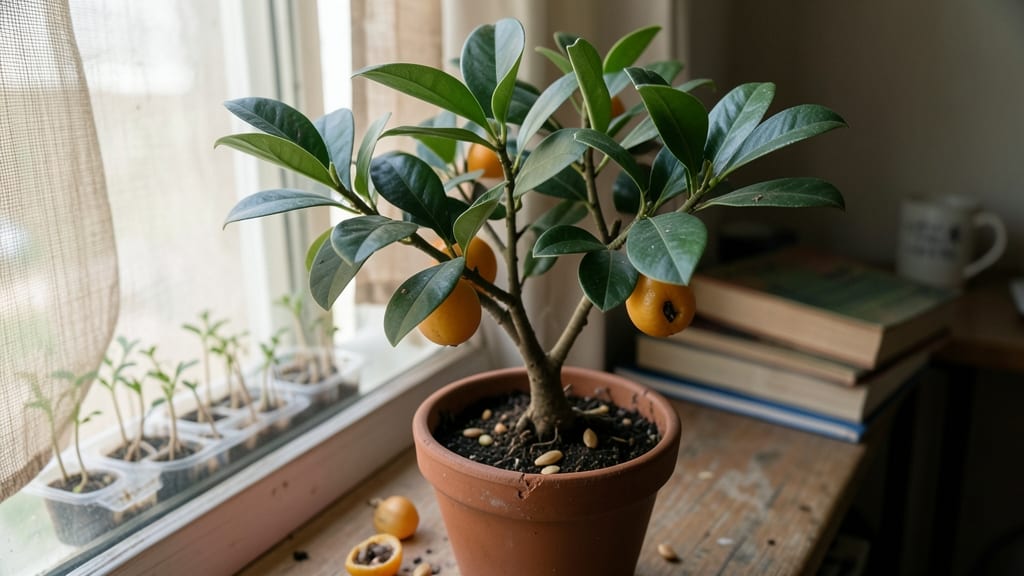
Growing kumquat trees from seeds is one of those rewarding projects that turns a tiny seed into a fragrant, citrus-scented bush in just three months. 🌱 I’ve started dozens from seed, and the key is patience—these little seeds need warmth, moisture, and time to break their dormancy before they’ll even think about sprouting.
The process starts with soaking seeds overnight to soften the tough outer shell, then planting them in a warm, well-draining mix of peat moss and perlite. Keep the soil consistently moist (not soggy) and place the pot in a bright spot—no direct sun yet.
Germination can take 4-8 weeks, so don’t give up if nothing happens right away.
Once those first green leaves appear, you’ll want to transplant them into individual pots with slightly richer soil. By late spring, you’ll have sturdy seedlings ready for outdoor planting.
The real magic happens when you see those first tiny blooms—tiny, white, and impossibly sweet-smelling—followed by the tart-sweet fruit that makes it all worth it.
Here’s the thing—kumquat seeds can be finicky, and not every one will sprout. But when they do, they grow fast, and with the right care, you’ll have a tree that blooms and fruits in its first year. Let’s get those seeds planted!
📚 In This Guide
- What you need
- Instructions
- Tips and common mistakes
- Wrapping up and next steps
What you need
- ● Kumquat seeds: 3–5 fresh, plump seeds (harvested from ripe kumquats—avoid store-bought ones, as they’re often treated).
- ● Seed-starting mix: 2–3 cups of well-draining, sterile potting soil (look for a blend labeled for seeds or seedlings).
- ● Small pots or seed trays: 2–4 biodegradable pots (2–3 inches deep) or a seed tray with drainage holes.
- ● Plastic wrap or humidity dome: To create a mini greenhouse effect while seeds germinate.
- ● Spray bottle: For gentle watering (avoid over-saturating the soil).
- ● Grow lights or sunny windowsill: A warm, bright spot (60–75°F) with at least 6–8 hours of light daily.
- ○ Fertilizer (optional but helpful): A balanced, water-soluble fertilizer (5-5-5 or 10-10-10) diluted to half-strength for young seedlings.
- ● Pruning shears or scissors: For trimming seedlings as they grow (sterilize with rubbing alcohol).
- ○ pH testing kit (optional): To ensure soil pH is between 6.0–7.0 (kumquats prefer slightly acidic to neutral soil).
- ○ Heat mat (optional): If your space is chilly, a seedling heat mat (70–75°F) can speed up germination.
- ● Patience & consistency: The most critical tool of all—kumquat seeds are slow to sprout (2–6 weeks)!
How to grow kumquat trees from seeds
Here’s the straightforward method I use to coax these fragrant citrus trees from seed—no fancy tools, just patience and the right conditions.
🌱 Step 1: Extract and Prepare the Seeds
Kumquats are the tiny, oval seeds inside the fruit—each one holds the potential for a full-sized tree. I like to scoop them out with a spoon after slicing the fruit open, then rinse them gently to remove any pulp. Let them dry on a paper towel for 24 hours in a warm, dry spot. This prevents mold from forming when you plant them later.
Here’s the thing—kumquat seeds need a warmth boost to germinate. After drying, I soak them in lukewarm water for 12 hours to soften the outer coating. This step speeds up germination from weeks to just days. Don’t skip it; I’ve tried planting dry seeds, and they take forever—or never sprout at all.
💧 Step 2: Plant in Moist, Well-Draining Soil
Fill a small pot—4 inches deep—with a mix of 50% potting soil and 50% perlite to ensure drainage. Kumquat roots hate soggy soil, so this blend prevents rot. Plant each seed ½ inch deep, spacing them 2 inches apart if using multiple pots. Gently press the soil around them to make contact but don’t compact it.
Water lightly until the soil feels damp to the touch, but not wet. Place the pot in a warm spot—70-75°F is ideal—like on top of a refrigerator or near a sunny window. Cover the pot with clear plastic wrap to trap moisture, but leave a tiny gap for airflow. Check daily and mist the soil if it feels dry.
☀️ Step 3: Provide Warmth and Light for Germination
Kumquat seeds germinate fastest in warmth, so I keep them on a seedling heat mat set to 75-80°F. You’ll see tiny sprouts in 10-14 days, but some may take up to 3 weeks—don’t give up if yours are slow. Once they break through the soil, remove the plastic wrap immediately to prevent mold.
Move the seedlings to a bright, indirect light spot right away. South-facing windows work, but direct midday sun can scorch young leaves. If your seedlings stretch toward the light (a sign of legginess), they need more intensity. A grow light 4 inches above the plants for 12 hours daily fixes this fast.
🪴 Step 4: Transplant and Care for Young Trees
After 4-6 weeks, when seedlings have 3-4 true leaves, it’s time to transplant. Choose a 6-inch pot with drainage holes and use the same soil mix. Gently loosen the roots before transferring to avoid shocking the plant. Water thoroughly after planting to settle the soil.
Kumquats thrive in full sun (6+ hours daily) but need time to adjust. Start by placing them outdoors in partial shade for 2 hours daily, then gradually increase exposure over 2 weeks. Keep the soil consistently moist but never soggy—let the top inch dry out between waterings. Fertilize lightly with a balanced citrus fertilizer every 2 months once they’re established.
⏰ Step 5: Prune and Train for Strong Growth
When your kumquat trees reach 12 inches tall, start pruning to encourage bushiness. Pinch off the top set of leaves to stimulate side branches. Use clean, sharp scissors to make cuts just above a leaf node. This step is critical—without pruning, your tree will grow tall and leggy with few fruits.
Here’s where it gets fun: kumquats bloom best when they’ve experienced a cool winter chill. If you’re growing indoors, move them to a 50-60°F spot for 4-6 weeks in winter to mimic dormancy. This trick ensures spring blooms and fruit in 3-5 years. Real talk: Patience pays off—these trees reward you with fragrant white flowers and tiny, sweet-tart fruits.
Tips & tricks for perfect kumquat tree growth
Growing kumquat trees from seed is all about patience and precision—these little tips will help you avoid common pitfalls and maximize your success rate.
Seed Preparation is Everything: The 24-hour drying period isn't just about preventing mold—it's also crucial for breaking the seed's natural dormancy. I've found that placing seeds on a paper towel in a warm spot (around 75°F) speeds up this process. After drying, don't skip the 12-hour lukewarm water soak! This softens the seed coat and can cut germination time from weeks to just days. Pro tip: Use a small bowl of water with a mesh bag to keep seeds submerged without overcrowding.
Soil Mix Matters More Than You Think: That 50/50 blend of potting soil and perlite might seem basic, but it's non-negotiable for kumquat seeds. The perlite creates air pockets that prevent the roots from suffocating, while the potting soil provides nutrients. I've tried using regular garden soil, and the seeds either rot or take forever to sprout. When planting those ½-inch deep, think "one seed length" – this ensures they have enough room to push through without struggling.
Temperature Control Makes or Breaks Germination: Maintaining that 75-80°F range during germination is your golden ticket to success. I use a seedling heat mat under my pots, but you can also place them on top of your refrigerator or near a sunny window. The key is consistency—fluctuations below 70°F can stall germination completely. Once you see sprouts after 10-14 days, remove the plastic wrap immediately to prevent mold, but keep the soil consistently moist (not soggy).
Light Transition Strategy: When moving seedlings to bright, indirect light after germination, don't rush it. Start with 2 hours of morning sun and gradually increase exposure over 2 weeks. I've seen seedlings get sunburned when moved too quickly to direct light. For indoor growers, a grow light 4 inches above the plants for 12 hours daily works wonders—just rotate the pot daily so all sides get equal light. This prevents that classic "leggy" seedling problem where plants stretch toward the light.
Pro Tips for Kumquat Tree Seeds
- Growing kumquat trees from seed is all about patience and precision—these little tips will help you avoid common pitfalls and maximize your success rate.
- Seed Preparation is Everything: The 24-hour drying period isn't just about preventing mold—it's also crucial for breaking the seed's natural dormancy.
- Soil Mix Matters More Than You Think: That 50/50 blend of potting soil and perlite might seem basic, but it's non-negotiable for kumquat seeds.
Frequently asked questions
Got questions about growing kumquat trees from seeds?
You’re not alone! Here are answers to the most common queries to help you avoid pitfalls and maximize your success.
How long does it take for kumquat seeds to germinate?
Kumquat seeds typically take 4–8 weeks to germinate, depending on temperature and moisture. Keep them in a warm (70–80°F), humid environment—like a seedling heat mat—and expect sprouts within 6–12 weeks if patience is your virtue.
Can I grow a kumquat tree from a grocery store kumquat seed?
Yes, but expect unpredictable results! Store-bought kumquats are often hybrids (like Meiwa or Nagami), so your tree may not bear fruit true to the parent. For guaranteed quality, source seeds from a reputable citrus nursery or propagate from a known variety.
Why aren’t my kumquat seeds sprouting? Troubleshooting tips.
Seeds might fail to sprout due to:
- Cold temps: Keep them above 60°F (use a seedling heat mat if needed). →
- Dampness issues: Overwatering causes rot—moisten soil, then let it dry slightly between waterings.
- Old seeds: Freshness matters! Use seeds within 3–6 months of harvest for best results.
- No stratification: Unlike some citrus, kumquats don’t need cold treatment, but a warm, dark spot speeds things up.
How do I care for a kumquat seedling once it sprouts?
Once your seedling emerges:
- Provide bright, indirect light (south-facing window or grow lights).
- Use well-draining soil (citrus mix + perlite) to prevent root rot.
- Water lightly but consistently—let the top inch dry out between waterings.
- Fertilize sparingly with a balanced citrus fertilizer (5-5-5) once leaves appear.
Will my kumquat tree produce fruit from seed?
Probably not for years—if ever! Seed-grown kumquats are notoriously slow to bear fruit (often 5–10+ years) and may produce small, tart, or inedible fruit. For faster, reliable fruit, consider grafting or buying a young tree.
Wrapping up and next steps
Growing a kumquat tree from seeds is a rewarding journey—one that blooms with bright citrus scents, delicate flowers, and sweet-tart fruits in just a few months! 🌱 With the right tools, patience, and care, you’ve got everything you need to nurture a thriving plant.
Whether you’re a beginner or a seasoned gardener, the key is consistency and attention to detail.
Now that you’re armed with knowledge, take the first step today—plant those seeds and watch your little kumquat tree grow! Share your progress with fellow plant lovers, and don’t forget to experiment with different growing conditions to see what works best for your space. Happy gardening! 🌿✨