Pruning
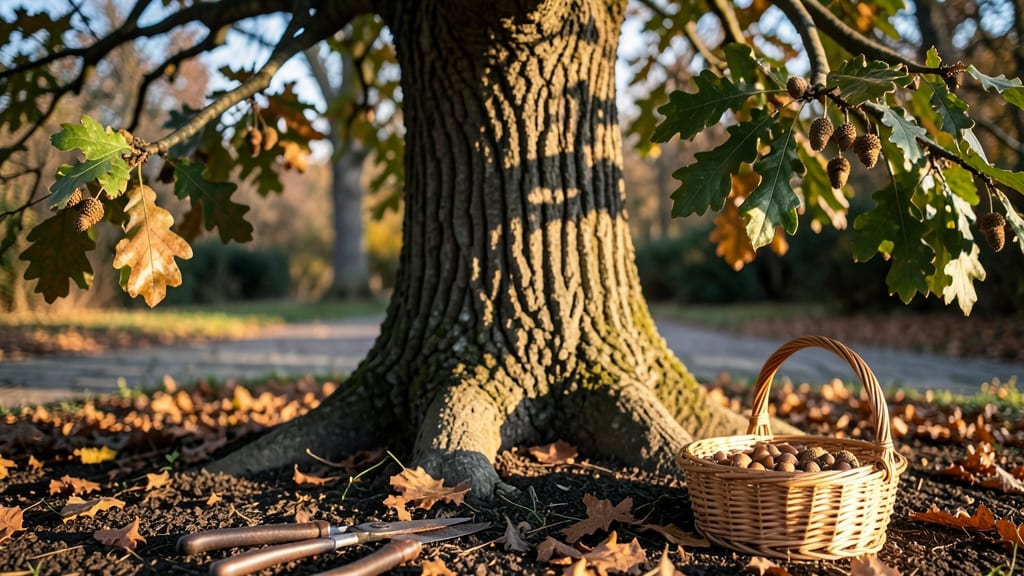
Growing acorn tree seeds into towering oaks takes time, but the reward is a privacy screen that outlasts a lifetime. 🌿 I’ve watched my own acorn seedlings—started from a single nut—grow into sturdy saplings that now block winter winds and summer sun, all from seeds I collected in my backyard.
The key isn’t rushing; it’s understanding exactly when to plant, how to break dormancy, and what soil will give those roots the best start.
You’ll need patience, not money—just a few supplies: acorns from mature, healthy oaks, a cold stratification setup (like a damp paper towel in the fridge), and well-draining soil. Most people skip the stratification step and wonder why their seeds won’t sprout.
After about 90 days of cold treatment, those acorns wake up ready to grow, and within 2-3 months, you’ll see tiny leaves pushing through the soil.
The payoff comes decades later, but the early years are manageable. Your seedlings will need partial shade at first, then gradually more sun as they mature.
By year 5, they’ll be tall enough to cast real shade, and by year 20, they’ll be the backbone of your landscape—drought-resistant, low-maintenance, and impossible to beat for privacy.
This method works best in USDA Zones 4-9, where native oaks thrive, but with adjustments (like longer stratification in warmer climates), you can try it almost anywhere. The secret? Start small, but think long-term—your great-grandkids might thank you.
📚 In This Guide
- What you need
- Instructions
- Tips and common mistakes
- Wrapping up and next steps
What you need
- ● Fresh acorn seeds: Collect 50–100 acorns from healthy, mature oak trees (preferably white or red oak for faster growth). Ensure they’re not infested with weevils (tap them—hollow-sounding acorns are bad).
- ● Potting mix: 5–10 gallons of well-draining, sterile seed-starting mix (or a 50/50 blend of peat moss and perlite).
- ● Containers: 3–5 small pots (4–6 inches deep) with drainage holes, or a seed tray with individual cells.
- ● Watering can or spray bottle: With a fine mist nozzle for gentle hydration.
- ● Plastic wrap or humidity dome: To maintain moisture during germination.
- ● Label markers: To track seed varieties and planting dates.
- ○ Fertilizer (optional but helpful): A balanced, slow-release fertilizer (e.g., 10-10-10) for transplanting.
- ● Pruning shears: For harvesting acorns (sterilize with rubbing alcohol).
- ● Glove: One pair of thick gardening gloves to protect from tannins (acorns can stain!).
- ○ Thermometer (optional): To monitor soil temperature (ideal germination range: 60–70°F).
- ● Sunlight access: A south-facing window or grow lights for seedlings (12–16 hours/day).
- ● Patience: Acorns can take months to germinate—plan ahead!
- ● 🌡️ Stratify your seeds: Cold-moisten acorns for 6–8 weeks in a fridge (in damp paper towels) to mimic winter—this doubles germination rates!
- ● ✨ Choose the right oak: White oaks (e.g., Quercus alba) grow faster than red oaks (e.g., Quercus rubra), but both work for privacy screens.
- ● 🌱 Transplant timing: Wait until seedlings have 2–3 true leaves (not cotyledons) before moving them outdoors.
Step-by-Step instructions for growing acorn tree seeds
Transform those fall harvests into towering shade trees with this reliable method.
🌱 Step 1: Collect and Stratify Acorn Seeds
Gather mature acorns from the forest floor in late fall—only the plump, heavy ones with intact caps will sprout. Remove any worms or damage, then place them in a moist paper towel inside a sealed plastic bag. Store at 35-40°F for 90-120 days to break dormancy through cold stratification. I check them weekly, misting as needed to maintain dampness but never sogginess.
This cold treatment mimics winter conditions, tricking the seed into thinking spring has arrived. Without stratification, acorns may take years—or never—sprout. After the cold period, transfer the seeds to a 60°F environment to begin germination.
💧 Step 2: Plant Stratified Seeds in Moisture-Controlled Soil
Fill 4-inch diameter pots with a mix of 50% potting soil and 50% perlite for excellent drainage. Plant each acorn 1 inch deep with the pointed end up—this ensures proper root development. Water gently until moisture seeps from the drainage holes, then place pots in a shallow tray of water to maintain consistent humidity.
Keep the soil evenly moist but never waterlogged. Acorn seedlings are delicate at this stage and rot quickly in soggy conditions. You'll see the first true leaves emerge in 4-8 weeks, signaling successful germination. Until then, patience is key—some seeds may take longer.
☀️ Step 3: Provide Gradual Sun Exposure and Protection
Once seedlings reach 4-6 inches tall, move them to a location with indirect light for 2-3 hours daily, gradually increasing exposure over 2 weeks. Direct sun at this stage can scorch tender leaves. I place mine on an east-facing windowsill where morning light is gentle but sufficient.
Acorn seedlings grow slowly at first, so don't rush the hardening process. After 4 weeks of gradual acclimation, they can handle 4-6 hours of morning sun daily. Watch for leaves that darken or curl—this indicates too much sunlight. Strong seedlings will develop deep green, glossy leaves and sturdy stems.
🪴 Step 4: Transplant to Outdoor Nursery Beds
When seedlings are 12-18 inches tall and have 5-7 leaves, transplant them to an outdoor nursery area with partial shade. Dig holes twice as wide as the root ball but only as deep as the container. Place each seedling in its hole, firm the soil gently around the roots, and water deeply to eliminate air pockets.
Space seedlings 6 feet apart to allow room for root expansion. Mulch with 2 inches of wood chips to retain moisture and suppress weeds. The first year focuses on root development, so avoid heavy pruning. You'll see new growth in spring, indicating the tree is establishing itself for long-term privacy.
⏰ Step 5: Maintain Through First Three Growing Seasons
Water deeply once weekly during the first year, increasing to every 5-7 days in hot weather. Acorn trees develop deep roots, so consistent moisture encourages strong growth. Fertilize lightly in spring with balanced 10-10-10 fertilizer at half-strength to avoid burning tender roots.
By the third year, your seedlings will be 6-10 feet tall with a well-established root system. This is when they can be transplanted to their permanent privacy screen location. The key to success is patience—acorn trees grow slowly but live for centuries, providing generations of natural privacy.
Tips & tricks for perfect acorn tree seedlings
Growing acorn trees from seed isn't just about patience—it's about precision. These practical tips will help you navigate the quirks of acorn germination and early growth, ensuring your seedlings thrive from the very first sprout.
Stratification Success: The 90-120 day cold stratification at 35-40°F is non-negotiable for breaking acorn dormancy. I store my sealed bags in the back of my refrigerator where temps stay consistently cold. If you don't have refrigerator space, a garage or unheated basement works too—just monitor temps with a thermometer. The key is maintaining that steady 35-40°F range without fluctuations. Too warm and the seeds won't break dormancy; too cold and they may develop mold.
Soil Science: That 50/50 mix of potting soil and perlite in Step 2 isn't just arbitrary—it creates the perfect balance of moisture retention and drainage that acorn seedlings crave. I like to add a handful of coarse sand to the mix for extra drainage. When planting, tap the pot gently after placing the acorn to eliminate air pockets around the seed. This ensures consistent contact with moisture, which is critical during those first 4-8 weeks when germination occurs.
Light Management: The gradual sun exposure in Step 3 is where most beginners go wrong. Start with just 2-3 hours of indirect light and increase by only 30 minutes every few days. I use a simple timer on my grow lights to automate this process—set for 2 hours on day 1, 2.5 hours on day 3, and so on. Watch for those first true leaves emerging; they'll be delicate and pale at first but will darken as they acclimate. If you notice leaves curling or turning yellow, you're either overwatering or giving too much direct sun too soon.
Transplant Timing: Waiting until seedlings are 12-18 inches tall with 5-7 leaves before transplanting ensures they have enough energy reserves for the shock. I always harden off my seedlings for a full week before moving them outdoors—meaning I gradually increase their outdoor exposure from 1 hour to 6 hours over that period. When transplanting, water the seedlings thoroughly the day before to reduce transplant shock. The deeper roots you encourage now will translate to stronger trees later.
Pro Tips for Acorn Tree Seeds
- Growing acorn trees from seed isn't just about patience—it's about precision.
- Stratification Success: The 90-120 day cold stratification at 35-40°F is non-negotiable for breaking acorn dormancy.
- Soil Science: That 50/50 mix of potting soil and perlite in Step 2 isn't just arbitrary—it creates the perfect balance of moisture retention and drainage that acorn seedlings crave.
Frequently asked questions
Got questions about growing acorn tree seeds into a lush privacy screen? You’re not alone! Here are some of the most common queries—and answers—to help you get started with confidence.
How long does it take for acorn tree seeds to germinate?
Acorn seeds can take anywhere from 4 to 12 weeks to sprout, depending on conditions like moisture, temperature, and seed freshness. Cold stratification (mimicking winter) speeds this up—soak seeds in water for 24 hours, then refrigerate them in a damp paper towel for 2–3 months before planting. Patience is key!
Can I plant acorn seeds directly in the ground, or do I need to start them indoors?
While you can plant acorns directly outdoors, starting them indoors (or in a controlled nursery bed) gives them a better head start. Outdoor planting works best in fall when temperatures are cooler, but young seedlings are vulnerable to deer or pests. For faster growth, start seeds in pots 6–8 weeks before your last frost date.
Why aren’t my acorn seeds sprouting? Troubleshooting tips?
If your acorns aren’t germinating, check these common issues:
- Hard seed coat: Some acorns need scarification—scratch the shell lightly with sandpaper or soak in hot water to soften it.
- Improper moisture: Keep soil consistently damp (not soggy) during germination.
- Wrong temperature: Acorns thrive in 60–70°F soil. Use a heat mat if your climate is too cool.
- Old seeds: Fresh acorns (from the current year) germinate best. Older ones may lose viability.
What’s the fastest way to grow a tall acorn tree for privacy?
For rapid growth, choose fast-growing oak species like Pin Oak or Willow Oak, which can reach 20–30 feet in 10–15 years. Plant in full sun, water deeply weekly, and fertilize lightly in spring with compost or a balanced 10-10-10 mix. Mulch around the base to retain moisture and suppress weeds.
Are there alternatives to acorn trees for a fast privacy screen?
If acorn trees are too slow or finicky, consider these native, fast-growing alternatives:
Plant
Growth Rate
Height Potential
Eastern Red Cedar
2–3 ft/year
30–40 ft
American Holly
1–2 ft/year
20–30 ft
Arborvitae (Thuja)
1–2 ft/year
15–20 ft
These options offer instant privacy with less wait time than oaks!
Wrapping up and next steps
Growing an acorn tree from seed is a rewarding journey that yields year-round privacy and beauty—all from a tiny, native nut! 🌱 Whether you’re a seasoned gardener or just starting out, these resilient trees thrive with minimal effort, offering shade, wildlife support, and a touch of rustic charm.
Now that you’ve got the how-to, why not take the next step?
Start small: plant a few acorn seeds this fall and watch your future privacy screen grow. Share your progress with fellow gardeners or tag us—we’d love to see your acorn tree adventures! 🌳💚