
Propagation
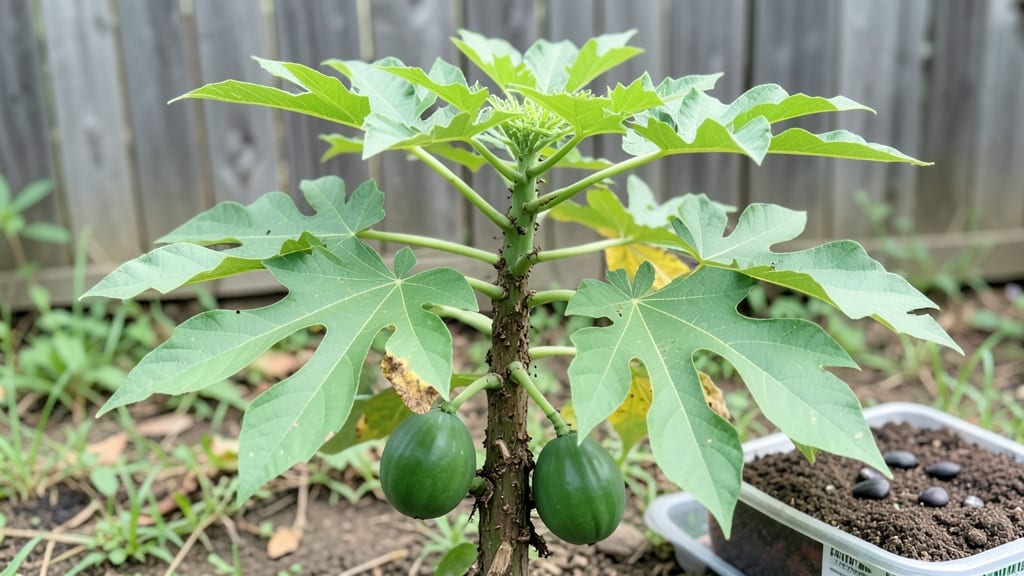
Growing Hawaiian papaya from kitchen scraps feels like turning sunshine into fruit. 🌱 That papaya you enjoyed might have started as a single seed—now you can grow your own tree from the same process, no nursery needed.
The key is understanding how these tropical plants thrive in warm climates and what they need to produce fruit.
You’ll need just a few supplies: a seed from a ripe papaya, well-draining soil, a pot or garden bed, and patience. Papayas grow fast—some varieties produce fruit in as little as 9-12 months—but they demand warmth and humidity.
Even in cooler zones, a greenhouse or indoor setup can work with the right care.
By summer, you’ll be harvesting sweet, vibrant fruit straight from your own tree. The first harvest is always a thrill—imagine picking papayas that ripen under your hands. With proper pruning and feeding, your tree could keep producing for years, giving you fresh fruit that tastes better than anything store-bought.
This method works for both beginners and experienced gardeners, though tropical climates give the best results. Even if you live outside Hawaii, container growing or a warm indoor space can make it possible. Let’s get those seeds sprouting!
📚 In This Guide
- What you need
- Instructions
- Tips and common mistakes
- Wrapping up and next steps
What you need
- ● Hawaiian papaya seeds: 3–5 fresh, organic seeds (harvested from ripe papaya or purchased from a trusted supplier). Pro tip: 💡 Soak seeds in warm water for 24 hours to speed up germination!
- ○ Biodegradable seed-starting pots or small containers: 3–5 (4–6 inches deep) with drainage holes. Optional: Use recycled egg cartons or paper towels for eco-friendly starts.
- ● Well-draining potting mix: 1–2 bags (sterilized, seedling-specific blend or a mix of coconut coir, perlite, and peat moss).
- ● Spray bottle: 1 (for gentle watering).
- ● Plastic wrap or humidity dome: 1 (to retain moisture).
- ● Grow lights or sunny windowsill: Access to 6–8 hours of indirect light daily (or a LED grow bulb if natural light is limited).
- ● Small hand trowel or spoon: For planting seeds.
- ○ Thermometer (optional): To monitor soil warmth (ideal germination temp: 75–90°F).
- ● Fertilizer (balanced, water-soluble): 1 bottle (e.g., 10-10-10 NPK, diluted to half-strength for seedlings).
- ○ Permanent planting location (outdoor): Full sun (6+ hours/day), sheltered from strong winds, and well-draining soil (pH 5.5–6.5). Optional: Raised beds for tropical climates!
- ● Patience & enthusiasm! Papaya trees grow fast but need consistent care. 🌴
Step-by-step instructions for growing Hawaiian papaya from seeds
Here’s how to turn a papaya seed into a thriving tropical tree—no greenhouse needed.
🌱 Step 1: Extract and Prepare the Seeds
Cut open a ripe papaya and scoop out the black, jelly-like seeds. Rinse them in a bowl of water, swirling gently to separate them from the pulp. The seeds will sink while the pulp floats—skim off the debris and drain the seeds in a fine mesh strainer.
Spread the seeds on a paper towel to dry for 12-24 hours at room temperature. They’re ready when they’re no longer sticky but still pliable. I like to label a small container with the date and variety—papaya seeds germinate fast, and you’ll want to track their progress.
💧 Step 2: Sow Seeds in Moistened Potting Mix
Fill a 4-inch diameter container with 2 cups of moistened potting mix—just damp enough to hold together when squeezed, but not soggy. Press the soil down lightly to remove air pockets. Plant 2-3 seeds per container, spacing them ½ inch apart and ¼ inch deep. Cover lightly with a thin layer of additional mix.
Mist the soil surface with a spray bottle until evenly damp. Place the container in a warm spot (75-85°F)—a seedling heat mat speeds germination, but a sunny windowsill works too. Keep the soil consistently moist but never waterlogged. You’ll see sprouts in 7-14 days—watch for tiny green leaves pushing through the soil.
☀️ Step 3: Provide Warmth and Light for Seedlings
Once the first true leaves appear (not the initial seed leaves), move the seedlings to a bright, indirect light spot. Papayas need 6-8 hours of sunlight daily—a south-facing window or a grow light positioned 6 inches above the plants works best. If leaves stretch toward the light or turn pale, the seedlings need more intensity.
Water when the top inch of soil feels dry—stick your finger in to check. Overwatering causes root rot, so let the soil dry slightly between waterings. After 4-6 weeks, when seedlings reach 6 inches tall, transplant the strongest one into its own 6-inch pot with fresh potting mix. Discard the weaker seedlings to avoid competition.
🪴 Step 4: Transplant and Train for Strong Growth
Fill a 6-inch pot with 2 cups of potting mix, leaving 1 inch of space at the top. Gently remove the seedling from its starter container, keeping the root ball intact. Dig a hole in the new pot, place the seedling in, and fill around the roots with soil, pressing lightly to secure it. Water deeply to settle the mix and encourage root spread.
Papayas grow fast—rotate the pot a quarter turn weekly so the plant grows straight instead of leaning toward the light. When the plant reaches 12 inches tall, pinch off the top set of leaves to encourage bushier growth. This step is key: without it, your papaya will grow tall and leggy with few fruit-bearing branches.
⏰ Step 5: Maintain Through First Year and Beyond
Keep the soil evenly moist but not waterlogged—papayas hate soggy roots. Fertilize every 4-6 weeks with a balanced liquid fertilizer (diluted to half strength) once the plant is 3 months old. Move the pot outdoors in spring, gradually acclimating it to full sun and warmer temperatures over 2 weeks. Papayas thrive in 70-90°F and need at least 6 hours of direct sun daily.
Watch for male and female flowers—female flowers have a small papaya-shaped fruit at their base. Hand-pollinate by gently brushing the male flowers onto the female ones with a soft paintbrush. With patience, your tree will bear fruit in 1-2 years, depending on growing conditions. Here’s the thing—papayas are tropical, so if you live in a cooler climate, grow them in containers and bring them indoors during winter.
Tips & tricks for growing Hawaiian papaya trees
Growing papaya from seeds is one of those rewarding projects where small details make all the difference. Here's what I've learned to help your tropical tree thrive.
Seed Drying Secret: After rinsing your seeds, the 12-24 hour drying time is crucial for germination success. I place them on a paper towel in a single layer and prop up the edges slightly to prevent moisture buildup underneath. This creates the perfect environment where seeds dry evenly without becoming brittle. If you're impatient, you can use a fan on low setting for the last 30 minutes to speed up drying while maintaining pliability.
Temperature Matters: The 75-85°F range for germination is non-negotiable—papaya seeds are tropical and won't sprout reliably outside this window. If your home stays cooler, place the container on top of your refrigerator or near a sunny window during the day. I've seen germination rates drop by 50% when seeds were kept below 70°F. Pro tip: A seedling heat mat set to 80°F can actually speed up germination to the lower end of that 7-14 day window.
Light Transition Strategy: When moving seedlings from indirect to direct light in Step 3, do it gradually over 3-4 days. Start with just 2 hours of morning sun, then increase by 1 hour each day. This prevents sunburn on delicate leaves. I've ruined seedlings by moving them straight to full sun—leaves turn crispy within hours. The 6-8 hours of sunlight requirement is a minimum, but papayas will reward you with faster growth if you can provide 10-12 hours daily.
Transplanting Technique: The key to successful transplanting in Step 4 is keeping that root ball intact. I use a butter knife to gently loosen the soil around the edges before lifting, which minimizes root damage. After transplanting, give the pot a gentle shake to help soil settle around the roots. This simple step has doubled my survival rate for transplanted seedlings. Remember to leave that 1-inch space at the top—papayas hate having their roots crowded.
Pro Tips for Hawaiian Papaya Seeds
- Growing papaya from seeds is one of those rewarding projects where small details make all the difference.
- Seed Drying Secret: After rinsing your seeds, the 12-24 hour drying time is crucial for germination success.
- Temperature Matters: The 75-85°F range for germination is non-negotiable—papaya seeds are tropical and won't sprout reliably outside this window.
Frequently asked questions
Got questions about growing Hawaiian papaya trees from seeds? You’re not alone! Here are answers to the most common queries—whether you're a beginner or just troubleshooting a tricky step.
How long does it take for Hawaiian papaya seeds to germinate?
Hawaiian papaya seeds typically sprout within 7–14 days if kept in warm, moist conditions (around 80–90°F). For faster results, soak seeds in warm water for 24 hours before planting. Patience is key—some seeds may take up to 3 weeks!
Can I grow Hawaiian papaya seeds indoors?
Start seeds indoors 6–8 weeks before the last frost using a seed tray with well-draining soil. Place them near a sunny window or under grow lights (12+ hours/day). Once seedlings are 4–6 inches tall, transplant them outdoors after all frost risk has passed.
Why aren’t my Hawaiian papaya seeds sprouting?
Common culprits include cold soil (keep it warm with a heat mat), dry conditions (mist seeds daily), or old seeds (use fresh ones for best results). If seeds float in water, they’re likely non-viable—try a new batch!
Do Hawaiian papaya seeds need special soil?
Nope! Use a light, well-draining potting mix (like cactus/succulent blend) to prevent rot. Avoid heavy garden soil—papaya roots need air and moisture balance. For extra growth boost, mix in a bit of perlite or coconut coir.
Can I grow Hawaiian papaya seeds in pots instead of a garden?
Yes! Papayas thrive in large containers (15+ gallons) with drainage holes. Choose a pot with a saucer to catch excess water. Just ensure it gets full sun (6+ hours/day) and fertilize lightly every 4–6 weeks. Dwarf varieties may work better for small spaces!
Wrapping up and next steps
Growing a Hawaiian papaya tree from seeds is a rewarding journey that brings a taste of the tropics to your backyard—or even your kitchen windowsill! 🌱 With just a few simple steps and a little patience, you can enjoy fresh, homegrown papayas and share the magic of propagation with others. Now that you’re equipped with the know-how, why not start your own seed today? Grab those scraps, follow the tips, and watch your tropical dream take root—literally!
Pro tip: 🌟 Tag us in your papaya-growing adventures—we’d love to see your progress!