
Lawn
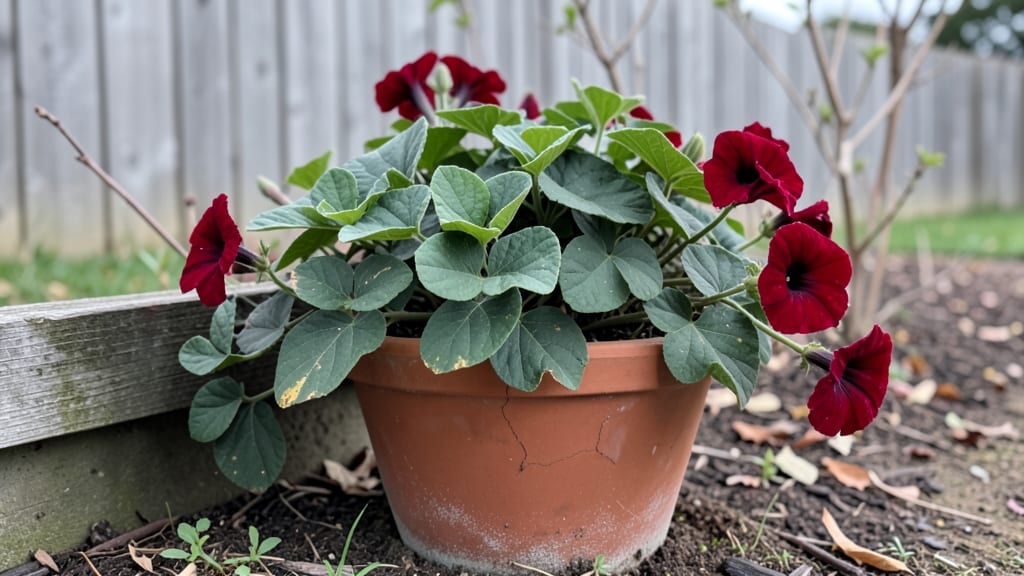
Growing Hawaiian velvet seed transforms your garden into a sun-drenched paradise with velvety purple blooms that last for months. 🌺 I’ve grown these tropical beauties for years, and they’re the secret weapon for adding instant color to borders, containers, or even your lawn edges—no fuss, just stunning results.
The key to success starts with warm soil and bright light, since these seeds need heat to germinate. Plant them just below the surface in well-draining soil, keep it consistently moist but not soggy, and watch for tiny sprouts in about 7 to 14 days.
Once up, they thrive in full sun and handle drought like champions—perfect for low-maintenance gardens.
By month three, you’ll have lush, bushy plants covered in those signature velvet-textured flowers that bees adore. The blooms stay vibrant for weeks, making them ideal for cut arrangements or long-lasting garden displays. And because they’re heat-loving, they’re a natural fit for warm climates like Hawaii or Southern states.
Even if your first batch takes a little longer to sprout, don’t worry—these seeds are forgiving. With the right conditions, you’ll have a garden that feels like a tropical escape, all from a tiny packet of seeds. Let’s get those planted!
📚 In This Guide
- What you need
- Instructions
- Tips and common mistakes
- Wrapping up and next steps
What you need
- ● Hawaiian velvet seed: 1–2 lbs (for ~1,000–2,000 sq ft coverage). Choose certified organic seeds for best results.
- ● Well-draining soil: Mix topsoil (50%) with sand or perlite (30%) and compost (20%) for optimal aeration.
- ● Garden rake: 1 medium-sized (for soil prep and seed distribution).
- ● Watering can or hose with a gentle spray nozzle: 1 (for consistent moisture without erosion).
- ○ Mulch (optional but recommended): Straw or wood chips (1–2 inches thick) to retain moisture and suppress weeds.
- ● Fertilizer (low-nitrogen, high-phosphorus): 10-20-10 or 5-10-10 blend (follow package rates).
- ● OR compost tea (homemade or store-bought) for organic growth.
- ● Sunlight access: Full sun (6+ hours/day) in a warm, humid climate (USDA Zones 10–12).
- ● Soil test kit: To check pH (ideal: 6.0–7.0). Adjust with lime (for acidic soil) or sulfur (for alkaline).
- ● Seedling trays: For starting seeds indoors (if growing in cooler zones).
- ● Drip irrigation system: For large areas (saves time and ensures even watering).
- ● Epsom salt (magnesium sulfate): 1 tbsp per gallon of water (monthly boost for lush foliage).
- ● Pruning shears: For trimming mature plants (keep blooms vibrant!).
Step-by-step instructions for growing Hawaiian Velvet seed
Here’s how to coax vibrant tropical blooms from Hawaiian Velvet seed in just three months.
🌱 Step 1: Start Seeds Indoors with Warmth and Humidity
Hawaiian Velvet seeds need warmth to germinate, so begin indoors 6-8 weeks before your last frost date. Fill a 3-inch deep seed tray with the sterile seed-starting mix and moisten it until damp but not soggy. Press the soil down lightly to remove air pockets—this ensures even moisture for germination.
Plant 2-3 seeds per cell, covering them with just ¼ inch of soil. A light mist from a spray bottle keeps the soil consistently moist without displacing seeds. Place the tray in a warm spot (75-85°F)—a seedling heat mat speeds things up. Keep the tray covered with plastic wrap or a humidity dome until sprouts appear, which usually takes 7-14 days.
Watch for the first tiny green leaves—this is your signal to remove the cover immediately. Too much humidity now invites damping-off, a fungal disease that collapses seedlings overnight. Once sprouts emerge, move them to a bright, indirect light spot to prevent leggy growth.
☀️ Step 2: Harden Off and Transplant to the Garden
When seedlings have 3-4 true leaves (about 4-6 weeks after sowing), it’s time to harden them off. Start by placing them outside in a shaded, sheltered spot for 1-2 hours the first day. Gradually increase their outdoor time over 7-10 days, ending with a full day in the sun.
Choose a sunny, sheltered spot in your garden with well-draining soil. Hawaiian Velvet thrives in full sun (6+ hours daily) but appreciates afternoon shade in hot climates. Dig holes twice as wide as the root ball but no deeper. Gently remove each seedling from its tray, keeping the root ball intact, and place it in the hole. Space plants 12-18 inches apart—this gives them room to grow without competition.
Water deeply after transplanting to settle the soil around the roots. Mulch with 1-2 inches of organic mulch to retain moisture and suppress weeds. Avoid fertilizing at this stage—new plants need time to establish roots before taking up nutrients.
💧 Step 3: Maintain Moisture and Fertility for Blooms
Hawaiian Velvet loves consistent moisture but hates soggy soil. Water deeply once a week, aiming for 1 inch of water per week, and more during dry spells. Check the soil 1 inch below the surface—if it feels dry, it’s time to water. Early morning is best to reduce evaporation and fungal risks.
After 4-6 weeks, when new growth appears, feed plants with a balanced liquid fertilizer (10-10-10) every 2-3 weeks. This encourages lush foliage and vibrant blooms. Stop fertilizing in late summer to allow flowers to set properly for next year’s seeds.
Prune leggy stems or spent blooms to encourage bushier growth. Pinch back the tips of new shoots to promote branching—this creates a fuller plant with more flowers. Deadhead faded blooms regularly to redirect the plant’s energy into producing new ones.
⏰ Step 4: Protect and Enjoy the Tropical Display
Hawaiian Velvet is tender and won’t survive frost, so monitor weather forecasts. If temperatures dip below 50°F, move potted plants indoors or cover them with frost cloth. In warm climates, this plant can bloom year-round with proper care.
Watch for butterflies and hummingbirds—they adore the nectar-rich flowers. To extend the blooming season, divide mature plants every 2-3 years in early spring. Dig up clumps, separate the roots, and replant the divisions in fresh soil. This rejuvenates the plant and gives you more blooms for your garden.
With patience and the right conditions, your Hawaiian Velvet will reward you with months of vibrant tropical color. The key is consistency—keep the soil moist, feed regularly, and protect from extreme weather. Before you know it, your garden will be a butterfly magnet!
Tips & tricks for growing Hawaiian Velvet seed successfully
Here's what I've learned after growing Hawaiian Velvet for years—these little tricks make all the difference between struggling seedlings and thriving tropical blooms.
The Warmth Factor: That 75-85°F range for germination is non-negotiable! I learned this the hard way after watching seeds fail in my 68°F kitchen. If your home runs cooler, place the seed tray on top of your fridge (not inside) or invest in a small seedling heat mat. The difference in germination speed is dramatic—you'll see sprouts in 7-10 days instead of waiting weeks.
Lighting Secret: Once those first leaves appear, move seedlings to bright indirect light immediately. I use a simple LED grow light on a timer (14 hours on/10 hours off) to prevent leggy growth. Natural south-facing windows work too, but watch for shadows that can create uneven growth. Rotate the tray daily so all seedlings get equal light exposure.
Transplanting Strategy: When hardening off, I start with just 1 hour outside on day one rather than the full 1-2 hours. This gradual approach prevents shock—your seedlings are still fragile after those 6 weeks indoors. By day 3, you can increase to 3 hours, then 5 hours, and finally full sun by day 7. This slow transition builds their resilience.
Watering Wisdom: The 1-inch weekly watering guideline is perfect, but timing matters just as much. I water in the early morning so the foliage dries completely by evening. This prevents fungal issues that can ruin your plants overnight. For containers, check soil moisture daily—potted plants dry out faster than in-ground plants.
Pro Tips for Hawaiian Velvet Seed
- Here's what I've learned after growing Hawaiian Velvet for years—these little tricks make all the difference between struggling seedlings and thriving tropical blooms.
- The Warmth Factor: That 75-85°F range for germination is non-negotiable!
- Lighting Secret: Once those first leaves appear, move seedlings to bright indirect light immediately.
Frequently asked questions
Got questions about growing Hawaiian velvet seed (or Stylosanthes hamata)? You’re not alone!
Here are the most common ones—plus quick answers to help you nurture a lush, tropical lawn.
How long does it take for Hawaiian velvet seed to germinate?
Germination typically takes 7–21 days in warm, moist soil (ideal temps: 70–90°F). For faster sprouts, soak seeds overnight before planting and keep the soil consistently damp. Patience pays off—thin seedlings after 4–6 weeks to avoid overcrowding!
Can I grow Hawaiian velvet seed in containers or just in the ground?
Yes! While it thrives in well-draining soil, you can grow it in large containers (12"+ deep) with a mix of sand, compost, and potting soil. Just ensure containers have drainage holes and place them in full sun. For lawns, direct sowing works best—seeds are tiny, so use a seed spreader for even coverage.
Why isn’t my Hawaiian velvet seed sprouting? Troubleshooting tips?
Try these fixes if seeds aren’t germinating:
Cold soil? Warm it with black plastic mulch or a heat mat.
Too dry? Mist seeds daily (don’t flood—they rot easily!).
Old seeds? Test viability by soaking a few in water; if none float, they may need replacing.
Poor soil? Amend with sand or perlite to improve drainage.
Pro tip: A light scratch on the seed coat (with sandpaper) can boost germination!Is Hawaiian velvet seed drought-tolerant once established?
Once rooted, it’s highly drought-resistant and thrives in low-maintenance conditions. Water deeply 1–2 times per week during establishment (first 3 months), then reduce to monthly in dry spells. It’s perfect for xeriscaping or areas with limited irrigation.
What’s the best alternative if Hawaiian velvet seed is hard to find?
If you’re struggling to source seeds, consider these similar drought-tolerant, tropical-friendly options:
- Centipede grass (Eremochloa ophiuroides) – Soft, low-maintenance, and shade-tolerant.
- St. Augustine grass (Stenotaphrum secundatum) – Fast-spreading and heat-loving.
- Bahia grass (Paspalum notatum) – Tough, deep-rooted, and great for sandy soils.
Wrapping up and next steps
Growing Hawaiian Velvet Seed is a rewarding journey that brings vibrant color and tropical charm to your lawn in just three months! With the right soil, sunlight, and care, you’ll enjoy lush, resilient grass that thrives in warm climates. 🌺
Ready to transform your outdoor space? Start by gathering your supplies, following the steps, and keeping an eye on moisture levels. Your dream lawn is just a few seeds away—plant with confidence and watch it flourish!
💡 Next Step: Mark your calendar for planting day and prep your yard today! Whether you’re a beginner or a green thumb, this guide makes it easy to succeed.