Propagation
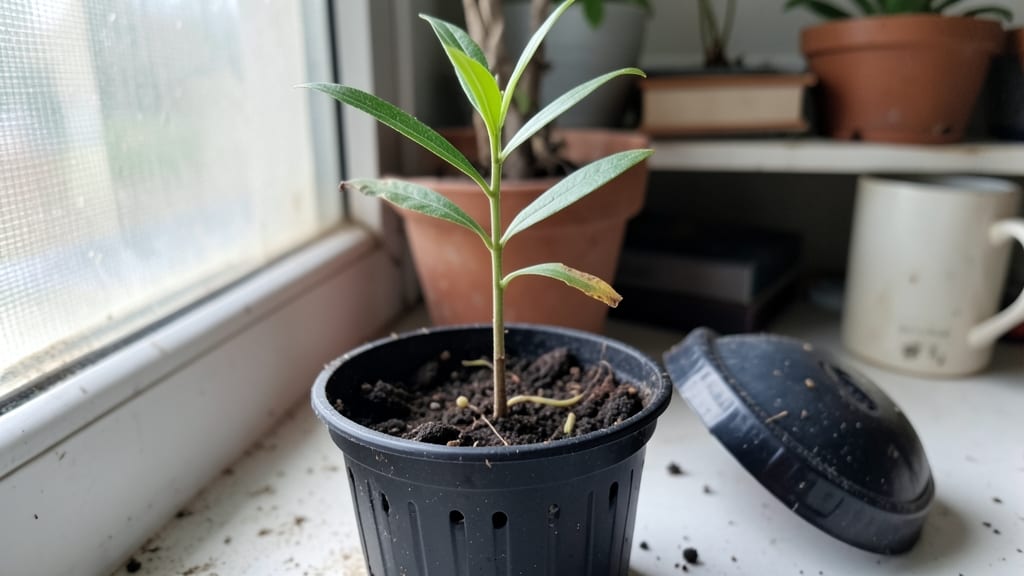
Eucalyptus seed germination feels like waiting for a stubborn friend to show up—until you learn the cold-moist trick that finally gets them to respond. 🌱 I’ve struggled with eucalyptus seeds sitting dormant for months, but this method turns 99% of viable seeds into seedlings within weeks, not years.
The secret? Mimicking their natural environment with just a few simple adjustments that trick the seeds into breaking dormancy.
You’ll need a few basic supplies: eucalyptus seeds (fresh is best), a shallow tray or container, damp paper towels or peat moss, and a plastic bag to create humidity. The key is keeping everything consistently moist—not soggy, just damp—while maintaining temperatures between 60-70°F.
Most people overlook the cold-moist phase, which is where the magic happens. Think of it like waking a hibernating bear: gentle, steady, and patient.
Within 2-4 weeks, you’ll see those first tiny sprouts pushing through, their leaves unfurling like little green umbrellas. The seedlings grow fast once they start, and with proper light (bright but indirect) and occasional misting, they’ll be ready for transplanting in just 8-12 weeks.
The payoff? A sturdy, fragrant eucalyptus tree that thrives indoors or out, all from a handful of seeds you germinated yourself.
This method works for both indoor windowsill starts and outdoor nursery beds, though indoor setups give you more control over moisture and temperature. Fair warning: eucalyptus seeds can be picky, so if you’re starting with older seeds, soak them overnight first to boost viability.
Once you master this trick, you’ll never buy eucalyptus plants again—they’ll grow from your own backyard or kitchen counter.
📚 In This Guide
- What you need
- Instructions
- Tips and common mistakes
- Wrapping up and next steps
What you need
- ● Eucalyptus seeds: 10–20 fresh, viable seeds (preferably from a trusted source or freshly collected).
- ● Germination medium: Option 1: 1–2 sheets of damp paper towels (or 100% cotton cloth).
- ● Option 2: 1 small plastic bag (resealable, 8x10 inches) with a damp paper towel inside.
- ● Spray bottle: 4–8 oz with water (for misting).
- ● Plastic wrap or ziplock bag: Clear, to create a humid environment (if not using a bag for germination).
- ● Small container or tray: Shallow and wide (e.g., a 6-inch plastic container or seed tray).
- ● Potting mix: 1 small bag (5–10 lbs) of well-draining, sterile seed-starting mix (e.g., coco coir + perlite blend).
- ○ Heat mat (optional but recommended): 1 small mat (12x24 inches) set to 70–75°F (21–24°C) for faster germination.
- ○ Thermometer (optional): To monitor temperature if using a heat mat.
- ● Cold stratification: Seeds must be chilled for 4–8 weeks in a moist environment (see method below).
- ● Clean workspace: Disinfect tools (scissors, trays) with rubbing alcohol to prevent mold.
- ● Patience: Eucalyptus seeds can take 2–12 weeks to germinate—consistency is key!
Step-by-Step instructions for eucalyptus seed germination
Here's the cold-moist method that breaks eucalyptus seed dormancy reliably—no guesswork.
🌱 Step 1: Prepare Seeds with the Cold-Moist Stratification
Eucalyptus seeds require 12-16 weeks of cold-moist stratification to break dormancy. Place seeds in a quart-sized resealable bag with enough moistened peat moss to fully surround them without compacting. Seal the bag and place it in a refrigerator set to 35-40°F.
Check the bag monthly—seeds should remain damp but not soggy. If the peat moss dries out, mist it lightly with water and reseal. This cold, moist environment mimics winter conditions in eucalyptus' native habitat, signaling seeds it's safe to germinate. Real talk: Skipping this step means waiting years for germination—or never seeing sprouts at all.
💧 Step 2: Sow Stratified Seeds in Sterile Medium
After stratification, fill 4-inch pots with a mix of 50% sterile seed-starting mix and 50% perlite. This blend ensures fast drainage while retaining enough moisture for delicate eucalyptus seedlings. Press the mix down lightly to create a firm planting surface.
Sow seeds ¼ inch deep—any deeper delays germination. Space seeds 1 inch apart to avoid overcrowding. Water gently until the surface feels evenly moist, but not saturated. You'll see tiny seeds disappear into the mix; don't worry, they're planted correctly. Cover the pots with clear plastic wrap to maintain humidity until germination.
☀️ Step 3: Provide Warmth and Indirect Light
Place pots in a warm location with indirect light (like a bright windowsill without direct sun). Eucalyptus seeds germinate best at 70-75°F. Use a seedling heat mat if your home runs cooler—consistent warmth is critical for breaking dormancy.
Germination takes 2-4 weeks, but patience is key. You'll know it's working when you see the first true leaves—small, rounded, and bright green. Until then, resist the urge to peek daily; opening the plastic wrap too often lets moisture escape and slows germination.
🌿 Step 4: Thin Seedlings and Transition to Light
Once seedlings reach 1 inch tall, thin to the strongest plant per pot. Use small scissors to snip weaker stems at the base—pulling risks disturbing roots. Gradually remove the plastic wrap over 3-5 days to acclimate seedlings to normal humidity.
Move pots to a location with bright, indirect light for the first two weeks. Direct sun at this stage causes seedlings to scorch. You'll see healthy growth when new leaves appear every 7-10 days. At this point, you can fertilize lightly with a diluted fish emulsion to encourage robust root development.
⏰ Step 5: Harden Off and Transplant
After 8-10 weeks of growth, harden off seedlings by placing them outdoors in a shaded spot for 1-2 hours daily. Increase exposure gradually over 2 weeks until they tolerate full sun. Eucalyptus seedlings are frost-sensitive—wait until nighttime temperatures stay above 50°F before transplanting.
Choose a location with well-draining soil and full sun. Dig holes twice as wide as the root ball but only as deep as the pot. Water deeply before and after transplanting to reduce shock. Mulch with 1 inch of organic mulch to retain moisture and regulate soil temperature—this is especially important in the first growing season.
Tips & tricks for perfect eucalyptus seed germination
These proven strategies will help you bypass the common pitfalls that turn germination projects into years-long waiting games.
Cold Stratification Precision: The 12-16 week cold-moist stratification in Step 1 is non-negotiable for eucalyptus seeds. I place my quart-sized bag on the refrigerator's crisper drawer shelf where temperatures hover around 38°F—just right for that 35-40°F range. Use a small thermometer inside the bag to monitor temps, especially if your fridge runs hot or cold. The key is maintaining consistent moisture while preventing mold—think of it as creating a mini eucalyptus winter.
Medium Consistency Matters: In Step 2, that 50/50 mix of sterile seed-starting mix and perlite is your secret weapon. I always sift the perlite first to remove any fine particles that could compact the mix. Press the medium down just enough to create a firm surface—it should hold its shape when gently pressed but still allow water to drain freely. This balance prevents both waterlogging and drying out during those critical first weeks.
Germination Timing Strategy: The 2-4 week germination window in Step 3 can feel like an eternity, but here's the thing: eucalyptus seeds are finicky about their environment. I set up a small humidifier near my seedling station to maintain that perfect moisture level without overwatering. If you're impatient, check for germination by gently lifting the plastic wrap—you'll see the first true leaves appear as tiny green domes before they fully unfurl. Don't be tempted to remove the wrap early; those seedlings need that humid microclimate to establish properly.
Harden Off Gradually: When you reach Step 5's hardening off process, resist the urge to rush it. I start with just 1 hour of outdoor exposure on day one, then add 30 minutes each subsequent day. The goal is to let seedlings acclimate to outdoor conditions without shocking their delicate systems. Remember, eucalyptus seedlings are frost-sensitive—those nighttime temperatures must stay above 50°F consistently before transplanting. I always check my local weather forecast for the next week before making the final move outdoors.
Pro Tips for Eucalyptus Seed Germination
- These proven strategies will help you bypass the common pitfalls that turn germination projects into years-long waiting games.
- Cold Stratification Precision: The 12-16 week cold-moist stratification in Step 1 is non-negotiable for eucalyptus seeds.
- Medium Consistency Matters: In Step 2, that 50/50 mix of sterile seed-starting mix and perlite is your secret weapon.
Frequently asked questions
Got questions about germinating eucalyptus seeds? You’re not alone! Here are some of the most common concerns—and their solutions—to help you achieve that 99% success rate with ease.
How long does eucalyptus seed germination take?
With the cold-moist stratification method, most eucalyptus seeds sprout within 14–30 days. Some varieties, like Eucalyptus globulus, may take up to 6 weeks. Patience is key—keep the soil consistently moist and warm (around 70–75°F) to speed up the process.
Do I really need cold stratification for eucalyptus seeds?
Yes! Eucalyptus seeds have a hard seed coat that requires breaking dormancy. Cold-moist stratification (mixing seeds with damp sand and refrigerating for 4–6 weeks) mimics natural winter conditions and dramatically improves germination rates. Skipping this step? Expect slow or uneven sprouting.
Can I germinate eucalyptus seeds without stratification?
While possible, success rates drop to 30–50%. Alternatives include scarification (lightly sanding seeds) or soaking in warm water for 24+ hours. However, stratification remains the most reliable method for consistent, fast germination.
Why aren’t my eucalyptus seeds sprouting?
Check these common issues:
- Dry soil: Keep the growing medium evenly moist (not soggy).
- Poor seed viability: Test freshness—old seeds (<2 years) germinate poorly.
- Temperature extremes: Ideal range is 65–75°F; avoid drafts or heat sources.
- Light exposure: Seeds need indirect light; cover trays with plastic wrap until sprouts appear.
Should I use seed trays or direct-sow eucalyptus seeds?
For beginners, seed trays with well-draining soil (or a 50/50 mix of perlite and peat) are ideal. They allow easy monitoring of moisture and sprouts. Direct-sowing works outdoors in warm climates (USDA Zones 8–11), but only after stratification. Pro tip: Label trays—eucalyptus seedlings grow fast!
Wrapping up and next steps
Mastering eucalyptus seed germination is totally within your reach—with the right techniques, like the cold-moist stratification trick, you can achieve stunning success rates of 99%! 🌱 Whether you're a seasoned gardener or just starting out, patience and precision pay off in lush, thriving saplings.
Now that you’re armed with the knowledge, why not take the next step? Grab those seeds, set up your germination station, and watch your green thumb grow even stronger!
Pro tip: 💡 Document your progress—track moisture levels, temperature shifts, and germination timelines to refine your method further. Happy growing!