
Propagation
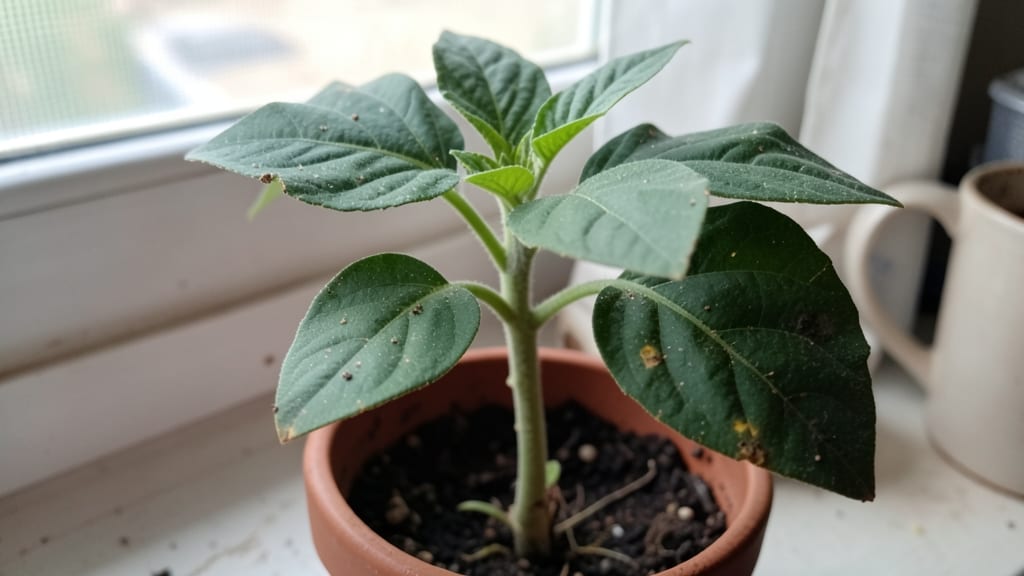
Growing early jalapeño seedlings from seed starts with a layered chill method that tricks peppers into thinking winter’s over—even when it’s not. 🌱 I’ve used this technique for five seasons now, and it consistently produces stocky, dark-green seedlings that outpace store-bought starts by weeks.
The secret lies in mimicking nature’s slow warm-up, which prevents the leggy, weak seedlings most beginners struggle with.
Here’s the game-changer: after sowing seeds in warm soil, you move them to a cool, bright spot (55–60°F) for 10–14 days before transferring to warmth. This shock treatment forces seedlings to stretch upward instead of sideways, giving them the strong stems they’ll need to support heavy fruit later.
Most gardeners skip this step, which is why their first peppers take forever to mature—or never do.
By the time you transplant these hardened-off seedlings, they’ll be 3–4 inches tall with thick stems, ready to handle heat and pests like pros. You’ll harvest your first jalapeños 6–8 weeks earlier than with standard methods, and the flavor?
Bold, consistent, and worth the extra effort. The method works for all pepper varieties, but jalapeños respond fastest because they’re heat-lovers at heart.
Fair warning: timing is everything. Start seeds 8–10 weeks before your last frost, and keep a grow light ready—peppers need 14+ hours of light daily once they sprout. If you rush, you’ll end up with weak plants that bolt before producing.
But get this right, and you’ll have a foolproof system that turns tiny seeds into fire-potential peppers every season.
Why it happens
When your jalapeño seedlings sprout too early—or appear stunted, leggy, or weak—it’s rarely just bad luck. Environmental and biological factors conspire to trigger precocious growth, often at the expense of root and structural development.
Understanding these triggers helps you adjust conditions to encourage healthy, layered growth (like the chill method) rather than rushed, fragile plants.
🌡️ Temperature Fluctuations
Jalapeños are warm-season plants, but seedlings can’t handle extremes. If soil or air temperatures dip below 60°F (15°C) or spike above 85°F (29°C), seedlings panic into premature growth. Here’s why:
- Cold Stress: Cool nights or drafty conditions slow metabolic processes, but seedlings may still push upward to escape perceived "danger." This creates long, weak stems with sparse foliage—classic "etchings."
- Heat Shock: Sudden warmth (like a sunny windowsill) triggers ethylene gas production, a plant hormone that accelerates germination and growth. The result? Seedlings bolt (flower prematurely) or develop thin, brittle stems.
- Layered Fix: Use a heat mat (70–75°F / 21–24°C) for consistent warmth, but avoid direct heat sources. For chill-layering, let seedlings experience 50–55°F (10–13°C) nights for 1–2 weeks to harden roots before warming.
💧 Overwatering Or Inconsistent Moisture
Water is life—but too much (or too little) sends seedlings into survival mode, prioritizing top growth over roots. Jalapeños need consistent moisture, not soggy or parched conditions.
| Problem | Actionable Fix | |
|---|---|---|
| Overwatering | Excess water depletes oxygen in soil, forcing seedlings to grow fast and tall to reach light. Roots suffocate, and stems become waterlogged and prone to disease. | Use well-draining mix (50% peat/coir, 30% perlite, 20% compost) and water only when top 1" is dry. Elevate trays to prevent pooling. |
| Underwatering | Dry soil triggers abscisic acid (a stress hormone) that stunts roots but speeds up top growth to seek moisture. Seedlings may appear "crispy" or leggy. | Mist seedlings daily and use a humidity dome (or plastic wrap). Bottom-water to avoid disturbing roots. |
☀️ Light Stress Or Deficiency
Light isn’t just fuel—it’s a growth regulator. Too little or too much throws seedlings off balance, often leading to early, weak sprouts.
- Weak Light (Leggy Seedlings): Without enough blue spectrum light (400–500nm), seedlings stretch (etiolation) to reach light sources. This wastes energy, leaving them thin and prone to falling over.
- Intense Light (Burned Seedlings): Direct sun or harsh grow lights can overheat soil and scorch tender leaves, triggering a defensive growth spurt.
- Layered Solution: Provide 12–16 hours of indirect light (grow lights 6–12" above seedlings). For chill-layering, reduce light to 8–10 hours/day for 2 weeks to mimic natural dormancy before increasing.
🌱 Improper Seed Depth Or Handling
Jalapeño seeds are tiny and delicate. Planting them too deep or disturbing them too soon can confuse their growth patterns.
- Buried Too Deep: Seeds need light to germinate (a process called photoblastic germination). Burying them >½" deep can delay sprouting, but once they break through, seedlings may bolt upward erratically to escape darkness.
- Disturbed Roots: Transplanting or poking seedlings too early disrupts mycorrhizal fungi (beneficial soil microbes) that help absorb nutrients. The plant responds by prioritizing top growth to compensate.
- Fix It: Plant seeds ¼" deep in warm, moist soil. Wait until seedlings have 2 true leaves before transplanting, and use the "slip and dip" method (gently slide out, trim roots, replant) to minimize stress.
🧬 Genetic Or Seed-Related Factors
Not all jalapeño seeds are created equal. Some varieties or old seeds are hardwired to grow faster—sometimes as a survival tactic.
- Old or Poor-Quality Seeds: Seeds lose viability over time (1–2 years max for jalapeños). Old seeds may pre-germinate in storage or sprout unevenly, leading to weak, early seedlings.
- Hybrid or F1 Varieties: Some commercial hybrids are bred for rapid early growth to outcompete weeds, but this can result in less robust root systems.
- Solution: Use fresh, heirloom seeds from reputable sources. For chill-layering, select open-pollinated varieties like 'Early Jalapeño' or 'Numex Twilight,' which tolerate cooler starts better.
Quick Fixes for Weak Seedlings
Reviving early jalapeno seedlings requires a mix of patience and precise care. Below are practical, step-by-step solutions tailored to common issues—plus prevention tips to keep your peppers thriving.
Fix: Thin or transplant seedlings to give roots space to breathe.
- 🔥 Wait Until Stronger
- Transplant only when seedlings have 2-3 true leaves (not just cotyledons).
- Why? Younger plants are fragile and may shock.
- 👨🍳 Transplant Gently
- Dig a hole twice as wide as the root ball.
- Hold the base of the stem (not the leaves) and place the seedling deeper than it grew in the tray (up to the first set of leaves).
- Pro Tip: Water the soil 1 hour before transplanting to reduce stress.
- 🌡️ Adjust Spacing
- Seedlings: 6–8 inches apart in trays.
- Outdoor garden: 18–24 inches apart (jalapeños need room to sprawl).
Prevent Future Issues: ✔ Start with fewer seeds—sow 1-2 per cell in trays to avoid thinning later. ✔ Use larger containers (4+ inches deep) if growing multiple seedlings together.
Fix: Boost light and reduce heat stress immediately.
- 💡 Increase Light Exposure
- Move seedlings within 6 inches of grow lights (14–16 hours/day).
- No grow lights? Place near a south-facing window or use a reflective surface (aluminum foil on walls) to maximize natural light.
- 🌡️ Adjust Temperature
- Ideal range: 70–75°F (21–24°C) during the day, 60–65°F (15–18°C) at night.
- Too hot? Move seedlings to a cooler spot (e.g., a basement with a grow light).
- 🍃 Fertilize Lightly
- Use a balanced, diluted fertilizer (5-5-5 or 10-10-10 at ¼ strength).
- Avoid nitrogen-heavy feeds—they promote leafy growth but weaken stems.
Prevent Future Issues: ✔ Start seeds indoors 8–10 weeks before last frost (not too early!). ✔ Use black plastic pots—they absorb more heat than white, reducing legginess.
Fix: Balance moisture and improve drainage.
🔥 Overwatered (Damping Off or Mushy Stems) 1. 🚰 Stop Watering Immediately
- Let the top ½ inch of soil dry out before watering again. 2. 🔪 Prune Affected Seedlings
- Snip off blackened or mushy stems with sterilized scissors.
- Do not replant—the disease spreads easily.
- 🌡️ Improve Airflow - Space seedlings 2–3 inches apart in trays. - Use a small fan (on low) for 1–2 hours/day to dry leaves faster.
Prevent Future Issues: ✔ Water from below (place trays in shallow saucers with water). ✔ Use sterile soil mix (add perlite or vermiculite for drainage).
💧 Underwatered (Wilting or Crispy Leaves) 1. 💦 Water Deeply but Less Often
- Check moisture by touching the soil—it should feel damp 1 inch down. 2. 🌱 Adjust Pot Size
- Small pots dry out fast. Upgrade to 4-inch pots if seedlings are struggling.
- 🌡️ Mulch Lightly - Sprinkle orchid bark or coconut coir on top of soil to retain moisture.
Prevent Future Issues: ✔ Use a moisture meter for accuracy. ✔ Water in the morning to allow excess to evaporate.
Fix: Isolate and treat pests before they spread.
- 🕵️ Identify the Culprit
- Aphids/Spider Mites: Tiny, clustered insects; webbing on undersides.
- Fungus Gnats: Tiny black flies near soil.
- Cutworms: Chewed stems at soil level.
- 🔥 Treat Naturally First
- Neem oil spray (1 tsp neem oil + 1 tsp mild soap + 1 quart water).
- Insecticidal soap (spray directly on pests, not leaves).
- Beneficial nematodes (for fungus gnats—apply to moist soil).
- 🚫 Quarantine Infested Seedlings
- Move affected plants away from healthy ones until pests are gone.
Prevent Future Issues: ✔ Inspect new soil/potting mix for eggs or larvae. ✔ Avoid overwatering (fungus gnats love soggy soil).
Final Pro Tip: 🌿 Hardening off (acclimating seedlings to outdoor conditions) 7–10 days before transplanting reduces shock. Start with 1–2 hours of sunlight/day, gradually increasing exposure.
With these fixes, your early jalapeno seedlings will bolt upright, grow strong, and reward you with bold, spicy peppers! 🌶️🔥
Frequently asked questions about early jalapeño seedlings
How deep should I plant jalapeño seeds for optimal germination?
Plant jalapeño seeds just ¼ inch deep in warm, moist soil. They need light to germinate, so deeper planting can delay sprouting. Use a fine soil mix and keep it consistently damp until you see sprouts in 7–14 days.
Why are my seedlings growing tall and weak instead of stocky?
Leggy seedlings usually mean insufficient light or too much warmth. Move them within 6 inches of grow lights (14–16 hours/day) and reduce heat to 65–70°F during the day. The layered chill method—cooling seedlings to 55–60°F for 10–14 days—prevents this by slowing early growth.
When should I transplant my early jalapeño seedlings outdoors?
Transplant after hardening off for 7–10 days and when nighttime temps stay above 55°F. Seedlings should be 3–4 inches tall with 3–4 true leaves. Wait until 2 weeks after your last frost date to avoid cold damage.
What’s the best soil mix for jalapeño seedlings?
Use a well-draining mix of 50% peat/coir, 30% perlite, and 20% compost. Avoid garden soil—it compacts easily and can harbor diseases. Sterilize your mix by baking it at 200°F for 30 minutes to kill pathogens.
How do I prevent damping off in my jalapeño seedlings?
Damping off (mushy stems) happens from overwatering or poor airflow. Water only when the top ½ inch of soil is dry, space seedlings 2–3 inches apart, and use a small fan for 1–2 hours/day to improve circulation. Never let seedlings sit in saucers of water.