
Propagation
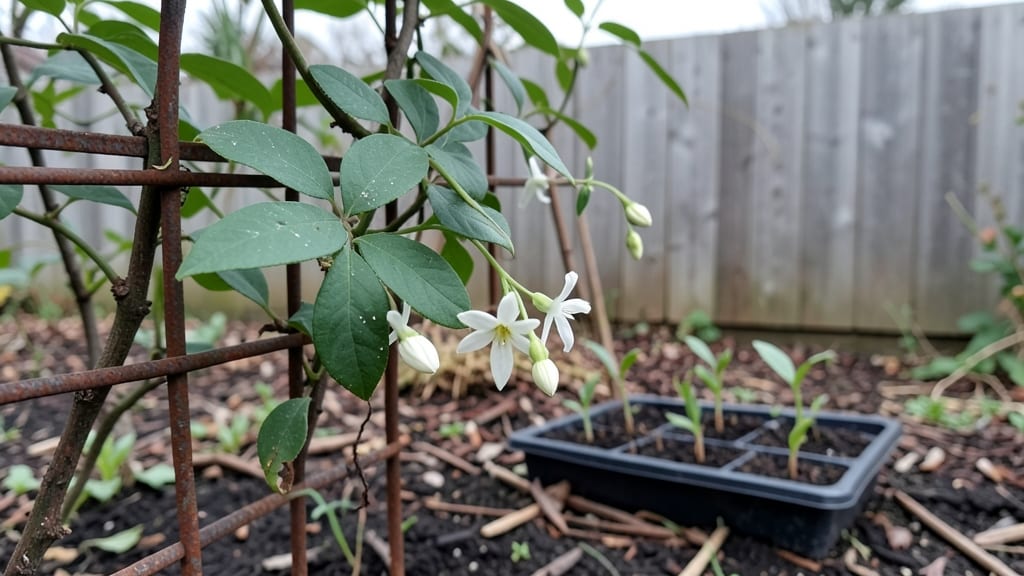
Growing climbing jasmine from seeds unlocks a fragrant spring garden that store-bought plants can't match. 🌿 The layered chill technique mimics natural winter dormancy, coaxing seeds to break dormancy and sprout reliably—something I perfected after struggling with erratic germination my first year.
This method works best with fresh seeds from reputable growers, though even older seeds can respond with patience and the right conditions.
The key to success lies in three phases: stratification, planting, and early care. First, you'll need a mix of sphagnum moss and perlite to create a moist, oxygen-rich environment where seeds chill for 6-8 weeks at 35-40°F.
Then comes the planting—lightly pressing seeds into damp potting mix, not burying them too deep. A clear plastic dome or humidity tent keeps humidity high while preventing rot, and a grow light ensures seedlings get enough light without stretching.
By late winter, you'll see tiny green leaves unfurling, signaling it's time to transition seedlings to bright, indirect light and gradually reduce humidity.
The first true leaves appear in 4-6 weeks, followed by the real magic: fragrant white blooms by next spring if you provide a sturdy trellis or arbor. These vines will climb 10-15 feet in a single season, filling your garden with intoxicating perfume.
This technique adapts to containers or in-ground plantings, though container-grown jasmine thrives in well-draining soil with morning sun and afternoon shade. Troubleshoot leggy seedlings by moving them closer to light, and watch for powdery mildew—a sign to improve air circulation.
With this method, even beginners can grow jasmine that outshines nursery plants, year after year.
📚 In This Guide
- What you need
- Instructions
- Tips and common mistakes
- Wrapping up and next steps
What you need
- ● Climbing jasmine seeds: 5–10 seeds (fresh or stored properly—viability drops after 1–2 years).
- ● Seed-starting mix: 1–2 cups of sterile, well-draining potting soil (avoid garden soil—it may harbor pests or diseases).
- ● Seed trays or small pots: 2–4 biodegradable or plastic pots (3–4 inches deep) or a seed tray with drainage holes.
- ● Clear plastic domes or plastic wrap: To create a humidity tent (if using trays).
- ● Spray bottle: For gentle watering (avoid over-saturating the soil).
- ● Grow lights or sunny windowsill: A south-facing window or LED grow lights (12–16 hours of light/day).
- ○ Heat mat (optional but helpful): A seedling heat mat (70–75°F) to encourage germination.
- ● Fertilizer: A balanced, water-soluble fertilizer (5-5-5 or 10-10-10) for seedlings (diluted to half-strength).
- ● Permanent planting location: A trellis, fence, or sturdy support (4–6 feet tall) for climbing jasmine.
- ● Pruning shears: For trimming leggy seedlings later.
- ○ pH test kit (optional): To check soil acidity (ideal pH: 6.0–7.0).
- ○ Mulch (optional): Organic mulch (e.g., straw or wood chips) to retain moisture in the permanent bed.
- ○ Gloves (optional): To protect hands from soil or prickly stems.
Step-by-step instructions for germinating climbing jasmine seeds
This layered chill method breaks dormancy and ensures strong, fragrant blooms next spring.
🌱 Step 1: Stratify Seeds for 6-8 Weeks
Climbing jasmine seeds require cold stratification to mimic winter conditions. Mix the seeds with the moistened peat moss in a sealed plastic bag, then place it in the refrigerator for 6-8 weeks. Check weekly—if the peat moss dries out, add a few drops of water to keep it consistently damp but not soggy.
Here's the thing—this step is non-negotiable. Without stratification, seeds may sprout weakly or not at all. I label each bag with the date so I don’t forget. After 6 weeks, transfer the bag to a warm, dark place (like a pantry) for another 2 weeks to complete the stratification process.
💧 Step 2: Sow Stratified Seeds in Pots
Fill the 4-inch pots with sterile seed-starting mix and moisten it lightly. Plant 2-3 seeds per pot at a depth of ¼ inch, pressing them gently into the soil. Cover the pots with plastic wrap to retain humidity, then place them in a warm spot (70-75°F)—a seedling heat mat works best.
Don’t overcrowd the pots. You’ll see tiny sprouts in 4-6 weeks, and you’ll want space for roots to develop. If you planted more than 2 seeds, thin to the strongest seedling once they’re 2 inches tall. Water from the bottom by placing pots in 1 inch of water for 10 minutes—this prevents soil compaction and fungal issues.
☀️ Step 3: Provide Bright, Indirect Light
Once seedlings emerge, remove the plastic wrap immediately to prevent damping-off. Place them under grow lights for 14-16 hours daily, keeping the lights 3-4 inches above the seedlings. Climbing jasmine seedlings need bright, indirect light—direct sun at this stage can scorch tender leaves.
You’ll notice leggy growth if the light isn’t strong enough. If stems stretch toward the light and leaves space far apart, move the lights closer or supplement with a south-facing window. Strong seedlings should have dark green leaves and compact spacing between nodes.
🪴 Step 4: Harden Off Before Transplanting
After 8-10 weeks, when seedlings have 4-5 sets of leaves, begin hardening them off. Move pots outside to a shaded, sheltered spot for 1-2 hours the first day, gradually increasing exposure over 10-14 days. By the time they’re ready for the garden, they should tolerate full sun without wilting.
Transplant in early spring, after the last frost, when soil reaches 60°F. Choose a sunny, well-draining spot with a trellis or fence for support. Water deeply at planting to settle the roots, then mulch with 2 inches of organic mulch to retain moisture and suppress weeds.
⏰ Step 5: Encourage Climbing and Bloom Production
Once established, climbing jasmine needs regular pruning to shape growth and encourage blooms. After the first flush of flowers, trim back one-third of the longest stems to promote bushier growth. Deadhead spent blooms to redirect energy into new flowers—this keeps the plant producing fragrant blossoms all season.
Real talk: Patience is key. Climbing jasmine can take 2-3 years to fully mature and bloom heavily, but the wait is worth it. Fertilize lightly in early spring with balanced fertilizer (10-10-10) to support vigorous growth without burning tender roots.
Tips & tricks for germinating climbing jasmine seeds
These essential strategies will help you bypass common pitfalls and achieve robust, fragrant blooms from your climbing jasmine seeds.
Cold Stratification Precision: The 6-8 week refrigeration period is where the magic happens, but consistency is key. Place your sealed bag of seeds and moistened peat moss on a refrigerator shelf where the temperature stays steady at 35-40°F—avoid the crisper drawer, which can get too cold. I've found that checking weekly and maintaining that "damp sponge" texture prevents mold while ensuring proper moisture levels. After the initial 6 weeks, the warm-up phase in your pantry completes the process, simulating natural spring conditions.
Seedling Lighting Strategy: Climbing jasmine seedlings demand that 14-16 hours of light daily, but quality matters more than quantity. Position your grow lights 3-4 inches above the seedlings and adjust as they grow—too high and they'll stretch, too low and they'll burn. I've had success supplementing with a south-facing window during the day and adding a small LED grow bulb at night for consistent light exposure. Watch for those dark green leaves with compact spacing between nodes; that's your sign you're doing it right.
Harden Off Gradually: The 10-14 day hardening process is where many seedlings fail. Start with just 1-2 hours of shade on day one, then increase exposure by 1-2 hours each subsequent day. I recommend using a small shade cloth (30-50% shade) during the first few days to protect tender leaves. By day 7, they should handle 4-5 hours of morning sun. This gradual approach builds resilience—seedlings hardened this way transplant with minimal shock and establish quickly in the garden.
Transplanting Timing: Timing your transplant is crucial for success. Wait until your seedlings have developed 4-5 sets of leaves and the soil has warmed to 60°F—this typically occurs in early spring after the last frost date in your zone. I always check soil temperature with a thermometer and wait for consistent readings above 60°F for at least 3 days. Planting too early in cold soil stunts root growth, while waiting too long can stress seedlings that have outgrown their pots.
Pro Tips for Climbing Jasmine Seeds
- These essential strategies will help you bypass common pitfalls and achieve robust, fragrant blooms from your climbing jasmine seeds.
- Cold Stratification Precision: The 6-8 week refrigeration period is where the magic happens, but consistency is key.
- Seedling Lighting Strategy: Climbing jasmine seedlings demand that 14-16 hours of light daily, but quality matters more than quantity.
Frequently asked questions
Got questions about growing climbing jasmine from seeds? Here are some answers to help you get started on your fragrant journey—no green thumb required!
How long does it take for climbing jasmine seeds to germinate?
Climbing jasmine seeds typically take 4 to 8 weeks to sprout, depending on temperature and moisture. Use the layered chill technique (stratification) to speed this up—place seeds in a damp paper towel in the fridge for 4–6 weeks before planting. Patience is key, but consistency pays off with sweet-smelling blooms!
Do I need to stratify climbing jasmine seeds, and how?
Yes! Stratification mimics winter conditions to break seed dormancy. Here’s how:
- Moisten a paper towel and wrap seeds inside.
- Seal in a plastic bag (leave it slightly open for airflow).
- Refrigerate for 4–6 weeks at 35–45°F (2–7°C).
- Plant after cold treatment—no need to dry them first!
Can I grow climbing jasmine indoors, or does it need outdoor space?
Start indoors for germination, but transplant outdoors once seedlings are 3–4 inches tall. Climbing jasmine thrives in full sun (6+ hours/day) and needs a trellis or fence to climb. If you’re in a small space, try a large container with a sturdy support—just ensure it’s at least 12 inches deep for roots.
Why aren’t my climbing jasmine seeds sprouting?
No sprouts? Check these common issues:
- No stratification: Try the fridge trick again!
- Poor moisture: Keep soil or paper towel damp (not soggy).
- Wrong temps: Seeds need warmth (70–75°F/21–24°C) after chilling.
- Old seeds: Viability drops after 1–2 years—test fresh seeds.
Still stuck? Try soaking seeds in lukewarm water overnight before planting.
What’s the fastest way to get blooms from climbing jasmine seeds?
While seeds take 2–3 years to flower, you can boost growth with these tips:
- Use well-draining soil (mix potting soil with perlite).
- Fertilize lightly with balanced 10-10-10 once leaves appear.
- Prune leggy growth to encourage bushiness.
- Plant in spring after last frost for optimal sunlight.
Patience rewards you with heavy, fragrant blooms by summer!
Wrapping up and next steps
Growing climbing jasmine from seeds is a rewarding journey that blends patience with the joy of nurturing fragrant blooms! 🌱 By mastering the layered chill technique, you’ve unlocked the secret to coaxing vibrant spring flowers from tiny seeds—no green thumb required.
Whether you’re a seasoned gardener or a curious beginner, your efforts will soon be rewarded with intoxicating aromas and lush vines.
Ready to take the next step? Start small: plant a few seeds in pots, experiment with your chill timing, and track progress. Before you know it, your balcony or trellis will be draped in fragrant beauty—one seed at a time! 🌸