
Vegetables
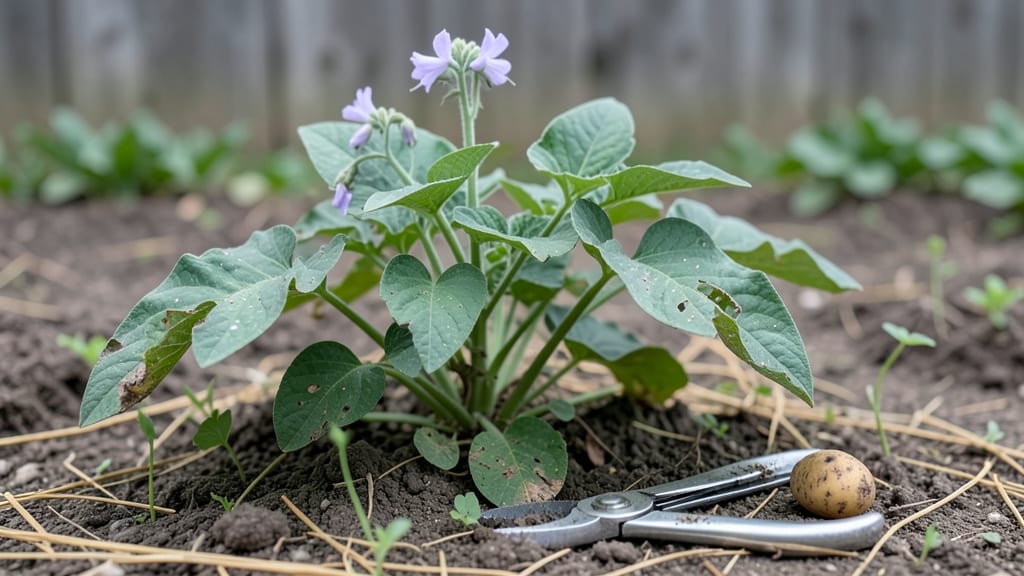
You can cut seed potatoes in half safely as long as each piece contains at least one or two healthy eyes (sprouting buds) and is allowed to heal for 24 hours before planting. This technique boosts your harvest by encouraging multiple growth points from a single tuber.
This method works because potatoes grow from their eyes, which are essentially dormant buds. 🌱 When you divide a tuber while ensuring each piece has at least one eye, you're essentially creating smaller, self-sufficient plants.
The healing period is crucial—it allows the cut surfaces to form a protective layer that prevents rot and disease. I've found that larger tubers benefit most from this technique, as they often contain multiple eyes naturally clustered together.
Just be sure to use sharp, clean tools to minimize damage to the potato's skin and internal tissue.
For best results, store your cut potatoes in a cool, dark place with good airflow for the 24-hour healing period. This mimics their natural growing conditions and helps them recover more quickly.
Once healed, you can plant them directly in soil or keep them in a container with moist peat moss until planting season arrives.
💡 In This Article
- How to Properly Slice Seed Potatoes for Planting
- When and Why to Divide Seed Potatoes for Larger Harvests
How to properly slice seed potatoes for planting
Start by selecting firm, disease-free seed potatoes with clearly visible eyes (the small dimples where sprouts emerge). Use a sterilized knife—rubbing alcohol or a 10-minute bleach soak works—to prevent bacterial transfer.
Cut each tuber into pieces with at least one healthy eye per section, ensuring the eye remains attached to a 1-2 ounce portion of potato flesh. This size balance prevents overcrowding while maximizing growth potential.
The cutting technique matters more than you'd think. Make clean, straight cuts 1/4-inch below the eyes to avoid damaging the bud's vascular system. For larger tubers with multiple eyes, you can create 3-4 equal sections—just ensure each piece has its own sprouting point.
The goal is to mimic nature's design where each eye becomes an independent plant. After cutting, let the pieces air-dry on a clean surface for 10-15 minutes to form a slight callus layer.
Here's what's actually happening during the healing process: When you cut a potato, you expose its starchy interior to air, which triggers oxidation and the formation of a protective cork layer.
This natural barrier reduces moisture loss and blocks pathogen entry. 🌱 For optimal healing, store the cut pieces in a cool (50-60°F), dark, well-ventilated space for 24 hours. Avoid refrigeration—potatoes develop toxic sugars when stored below 40°F, which can stunt growth.
Preventing rot requires attention to detail. Discard any pieces with soft spots, mold, or shriveled eyes—these are early signs of disease. For extra protection, sprinkle the cut surfaces with crushed charcoal or cinnamon powder (both have natural antimicrobial properties).
I've found that storing pieces on a wire rack rather than a plate allows air to circulate freely, reducing humidity buildup that encourages fungal growth.
When planting, position the cut side 1-2 inches deep in soil, with the eyes facing upward. The healed surface will integrate with the surrounding soil more easily than fresh cuts. For container gardening, use sterilized potting mix and space pieces 6-8 inches apart to prevent competition.
The healing period's success directly correlates with your final yield—properly prepared cut potatoes can produce harvests 20-30% larger than whole tubers of similar size.
One common mistake is rushing the healing process. I've seen gardeners plant immediately after cutting, only to watch their pieces rot in the ground. The 24-hour rule isn't arbitrary—it's based on how long it takes for the potato's natural defenses to activate.
For tropical climates where humidity is high, extend this to 48 hours to be safe. The extra time ensures your investment grows rather than decomposes.