Diseases
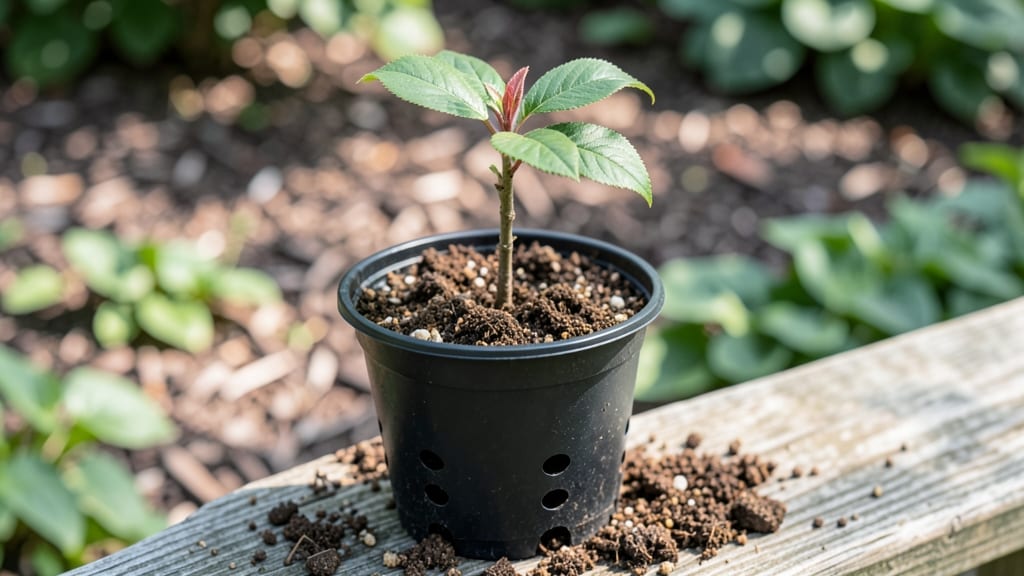
You can grow a peach tree from a peach seed, but the process is unpredictable—seedlings rarely produce fruit identical to the parent plant and may take 5-7 years to bear edible peaches, if they ever do. Begin by drying the seed thoroughly, then cold-stratify it before planting in well-draining soil with full sun exposure.
While the idea of growing a peach tree from a seed sounds simple, nature has a few surprises in store. 🌱 The seed's genetic code determines whether it'll grow into a true peach tree or something completely different—like an almond or even a wild variety.
I've seen seedlings sprout into trees with tiny, tart fruit or no fruit at all, which is why many gardeners prefer grafting for reliable results. The cold-stratification step mimics winter conditions, breaking the seed's dormancy so it can germinate properly.
Once sprouted, these young trees need consistent care: bright sunlight, regular watering, and protection from pests during their vulnerable first year.
If you're patient and willing to experiment, seed-grown peach trees can become stunning ornamental plants, even if they don't produce the peaches you envisioned.
Many of my gardening friends started this way purely for the joy of watching a tree grow from something as simple as a seed—proof that sometimes the journey matters more than the destination. Just be prepared for a long wait and some trial and error along the way!
💡 In This Article
- Peach Seed Germination Process Explained
- Tips for Maximizing Success with Peach Tree Seedlings
Peach seed germination process explained
The key to unlocking a peach seed's potential begins with understanding its natural dormancy cycle. Peach pits contain a hard outer shell that protects the embryo, but inside, the seed undergoes a period of endogenous dormancy—a biological state where growth is temporarily suspended.
This dormancy is triggered by the seed's exposure to warm temperatures while still attached to the fruit, followed by natural drying. What most people don't realize is that this process mimics the seed's evolutionary adaptation to survive winter conditions in its native habitat.
To break dormancy, you'll need to replicate these conditions artificially through cold stratification. Place your cleaned, dried peach pit in a sealed plastic bag with a damp paper towel, then refrigerate it for 6-8 weeks at 34-40°F.
This chilling period signals the seed that winter has passed, allowing enzymes to activate and kickstart metabolic processes. During this time, the seed's moisture content increases slightly (from about 10-15% to 20-30%), which is crucial for cell division to begin.
Think of it like waking a hibernating bear—gradual exposure to warmth after cold prepares the seed for germination.
The science behind why seed-grown trees differ from grafted varieties lies in their genetic inheritance. Grafted trees are clones of selected parent plants, meaning their fruit characteristics (size, flavor, ripening time) are identical to the original.
But when you grow from seed, you're working with the tree's heterozygous genetics—a random mix of traits from both parents. This genetic lottery explains why your seedling might produce tiny, tart peaches or even no fruit at all.
The probability of getting a tree that matches the parent variety is about 1 in 10,000, which is why commercial orchards rely on grafting.
Once stratified, plant your seed 1/2 inch deep in a pot with a mix of 50% potting soil and 50% perlite to ensure excellent drainage. Maintain soil temperatures between 68-75°F and keep the medium consistently moist (but never soggy).
Germination typically occurs within 2-6 weeks, though some seeds may take up to 3 months. The first sign is usually a small crack appearing in the pit's seam, followed by a tiny root emerging.
This early root growth is particularly sensitive to temperature fluctuations—dropping below 55°F can stall development entirely.
During the seedling stage, light exposure becomes critical. True leaves (not the initial seed leaves) should receive 12-14 hours of sunlight daily to prevent etiolation—the weak, leggy growth that occurs when plants stretch toward light sources.
I've found that using a grow light for 14 hours/day during cloudy periods helps maintain strong stem development. The first year is all about building the tree's root system; by autumn, your seedling should reach 12-18 inches tall with a sturdy trunk diameter of about 1/4 inch.
This foundational growth determines whether your tree will survive transplanting to outdoor conditions.
Here's what's actually happening below the soil during these early months: The seedling's primary root grows downward at about 1 inch per week, while lateral roots begin branching out to establish stability.
Meanwhile, the shoot apex (growth point) divides cells at a rate of 5-10 cells per minute during peak activity. This rapid cell division is why young seedlings are so vulnerable to temperature swings—their delicate meristem tissue can't handle sudden cold snaps or heatwaves.
The combination of proper stratification, consistent moisture, and optimal light creates the perfect storm for successful germination.
What most gardeners overlook is the importance of hardening off seedlings before outdoor planting. Begin this process 2 weeks before the last frost date by gradually exposing your seedling to outdoor conditions for 2-4 hours/day, increasing duration daily.
This acclimation period helps the plant adjust to wind, sunlight intensity, and temperature variations. Without this step, shock from sudden environmental changes can kill even the healthiest-looking seedlings. Remember: patience during these early stages directly correlates with your tree's long-term survival and potential fruit production.