Advice
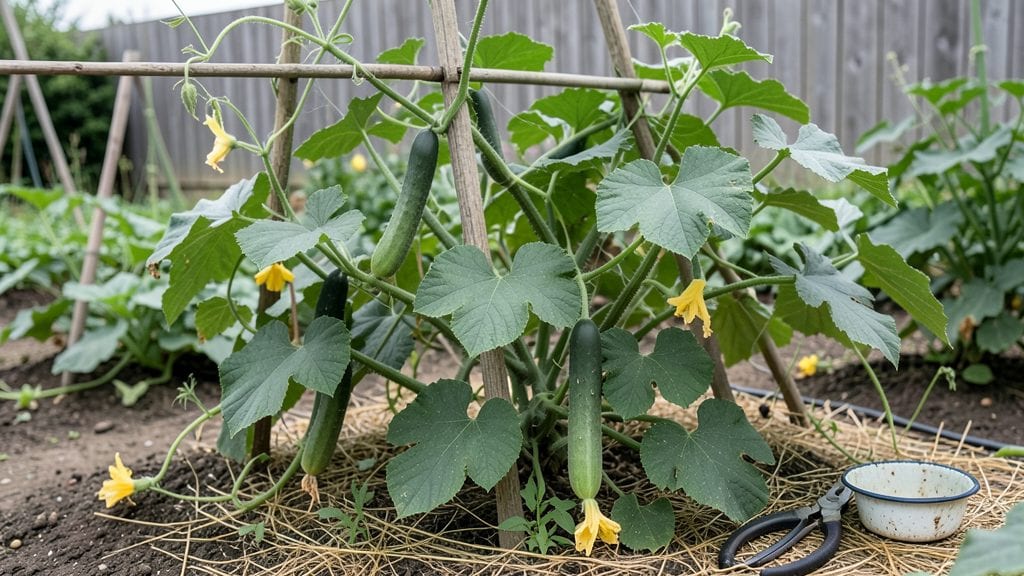
Can dogs have cucumber seeds? Yes, they can safely eat them in moderation since they’re non-toxic and soft when fully ripe, though overfeeding may lead to mild stomach discomfort or bloating.
Cucumber seeds are generally safe for dogs because they’re not inherently toxic, but their size and texture matter. 💫 A single cucumber contains hundreds of tiny seeds, so even a small bite can mean dozens at once—potentially overwhelming a dog’s digestive system.
I always recommend removing seeds from store-bought cucumbers (which are often larger and firmer) before sharing with pets, as these are more likely to cause digestive irritation. The real risk isn’t toxicity but the volume: think of it like feeding a whole handful of popcorn kernels at once.
What’s reassuring is that cucumbers themselves are a hydrating, low-calorie snack for dogs when served properly. The seeds dissolve easily in a dog’s stomach when soft, but the outer rind should always be removed first—it’s tough and hard to digest.
If you’re growing your own cucumbers, let them fully ripen on the vine before harvesting; garden-fresh seeds tend to be smaller and gentler on digestion.
💡 In This Article
- Are Cucumber Seeds Safe for Dogs?
- How to Feed Cucumber Seeds to Dogs Safely
Are cucumber seeds safe for dogs?
From a veterinary perspective, cucumber seeds rank as low-risk for dogs because they contain no known toxins. The seeds themselves are essentially the reproductive part of the cucumber plant, containing minimal amounts of cucurbitacin—compounds that can be harmful in certain plants like squash.
However, commercial cucumbers (like those from grocery stores) are bred to have negligible levels of these compounds, making them safe in proper portions. The real concern lies in the seed's physical properties rather than chemical toxicity.
The size and texture of cucumber seeds vary significantly based on ripeness and variety. Fresh, fully ripe cucumber seeds from garden-grown produce are typically 2-3 millimeters in length and soft enough to dissolve in a dog's stomach within 24 hours.
In contrast, seeds from unripe or store-bought cucumbers can be harder and larger, potentially causing mild gastrointestinal irritation if consumed in excess. The key factor here is moisture content: ripe seeds contain about 70% water, making them easier to digest compared to dry seeds.
One common misconception is that cucumber seeds pose a choking hazard due to their small size. While it's theoretically possible for a dog to inhale tiny seeds, the reality is quite different. A dog's epiglottis automatically closes during swallowing, preventing seeds from entering the airway.
The actual risk comes from consuming seeds in large quantities—imagine eating a handful of sunflower seeds at once. This could lead to gastric upset, characterized by symptoms like vomiting, diarrhea, or excessive flatulence within 6-12 hours of ingestion.
Cooking cucumber seeds doesn't significantly alter their safety profile, but it does change their texture. When lightly steamed or boiled for 5-7 minutes, the seeds soften further, reducing any potential for irritation.
However, overcooking can remove beneficial nutrients and alter the flavor, which might make the treat less appealing to dogs. The most important preparation step remains removing the tough outer rind, which contains high levels of cellulose that dogs struggle to digest.
What most pet owners don't realize is how portion size affects safety. A general guideline is that cucumber seeds should make up no more than 10% of a dog's daily vegetable intake. For a 20-pound dog, that translates to approximately 1-2 teaspoons of seeds per serving.
This equates to roughly 50-100 seeds, depending on their size. Always introduce new foods gradually, watching for any adverse reactions during the first 24-48 hours of consumption.
For comparison, consider how dogs process other common seeds: sunflower seeds (high in fat, potentially problematic), pumpkin seeds (safe but high in fiber), and watermelon seeds (similar safety profile to cucumber).
The cucumber seed's advantage lies in its natural softness and low caloric density (3 calories per teaspoon), making it an ideal occasional treat when prepared properly. 💫