Featured
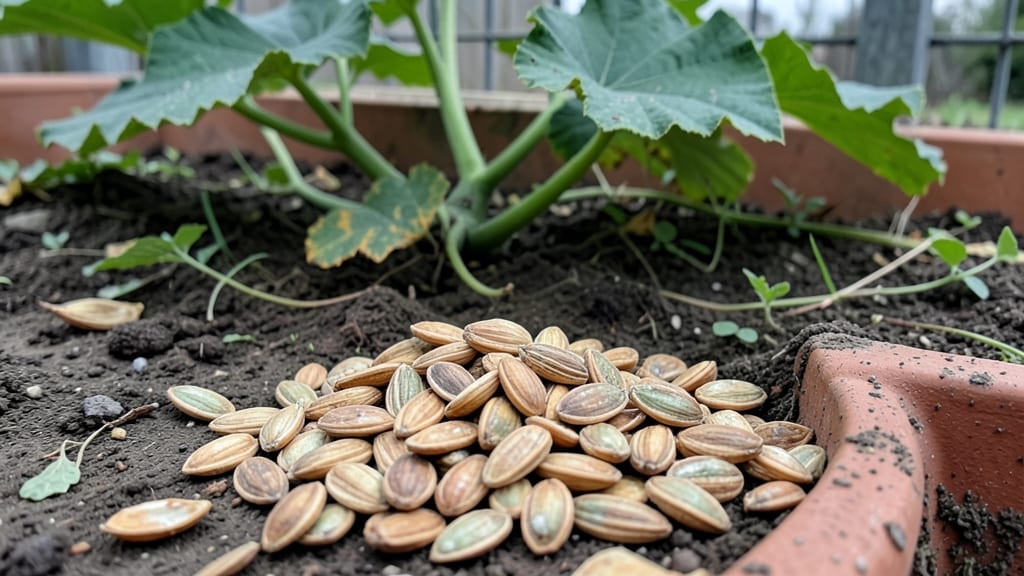
Chickens can eat pumpkin seeds with shells in moderation, but only if crushed or finely chopped to prevent choking. Whole shelled seeds pose a risk due to their size and hardness, though they offer protein and fiber benefits when prepared safely.
Pumpkin seeds are packed with nutrients like magnesium and zinc, but their shells can be tricky for chickens. 🔥 Whole seeds may get lodged in their throats or digestive tracts, especially in younger birds.
I’ve seen chickens happily peck at crushed seeds mixed into their feed—it’s a great way to add variety without the risks. The key is preparation: always break them down before serving, and start with small amounts to monitor how your flock handles them.
For gardeners, this means saving seeds from your pumpkin harvest isn’t just for compost—it’s a free, healthy treat when prepped right. Just remember: moderation is key, and always pair new foods with their regular diet.
Chickens thrive on balance, so while seeds are a tasty addition, they shouldn’t replace their core nutrition.
💡 In This Article
- Pumpkin Seed Shell Risks for Chickens
- Safe Ways to Feed Pumpkin Seeds to Chickens
Pumpkin seed shell risks for chickens
A chicken's throat and digestive tract are surprisingly delicate for their size. Whole pumpkin seeds, which typically measure about 1/4 to 1/2 inch in diameter, can easily get lodged in a chicken's esophagus or crop (their storage pouch).
The shell's hardness—rated around 3.5 on the Mohs scale—means it won't break down naturally in their gizzard, the muscular organ that grinds food. This creates two main risks: choking and impaction, where the seed blocks their digestive tract.
What's more concerning is how quickly these risks escalate.
A seed that's too large can cause immediate choking, while smaller but still whole seeds may pass through but get stuck later in the gizzard or intestines. 🔥 The gizzard's grinding action is powerful but designed for softer materials like grains and insects—not hard, fibrous shells.
Even in adult chickens, a seed lodged in the crop can ferment, leading to infections or worse. Baby chicks are at even higher risk due to their tiny throats, which can barely accommodate a seed the size of a pencil eraser.
The solution lies in the seed's preparation. When you crush pumpkin seeds to a fine powder or small granules (less than 1/8 inch), you're effectively turning a choking hazard into a safe, digestible treat. The shell fragments become soft enough to pass through their system naturally.
This is why many chicken keepers soak or grind seeds before offering them—it's not just about taste, but about safety. The texture change also makes the seeds easier to mix into feed, so chickens can enjoy them without the risk of struggling.
Here's what happens when you compare seed size to chicken anatomy: A standard pumpkin seed is roughly the width of a chicken's trachea (windpipe), which measures about 0.25 inches in diameter. That's a tight fit!
When crushed, those same seeds become tiny, almost like birdseed crumbs—much safer for their delicate systems. The protein and fiber benefits remain intact, but now they're accessible without the physical dangers of whole seeds.
Another critical factor is the seed's moisture content. Freshly harvested seeds have higher moisture, making their shells slightly softer and easier to crush. If you're saving seeds from your garden, let them dry completely in the sun for 2-3 days before processing.
This reduces their moisture content to about 5-8%, making them ideal for grinding. The drier the seed, the easier it is to break down safely for your flock.
For visual reference, imagine a chicken pecking at a pile of whole seeds versus a pile of crushed ones. The difference is like offering them popcorn kernels versus popcorn dust—they'll happily eat both, but only one is safe.
This is why many commercial chicken treats are pre-crushed or ground: it's a simple way to eliminate risks while keeping the nutritional benefits.