Vegetables
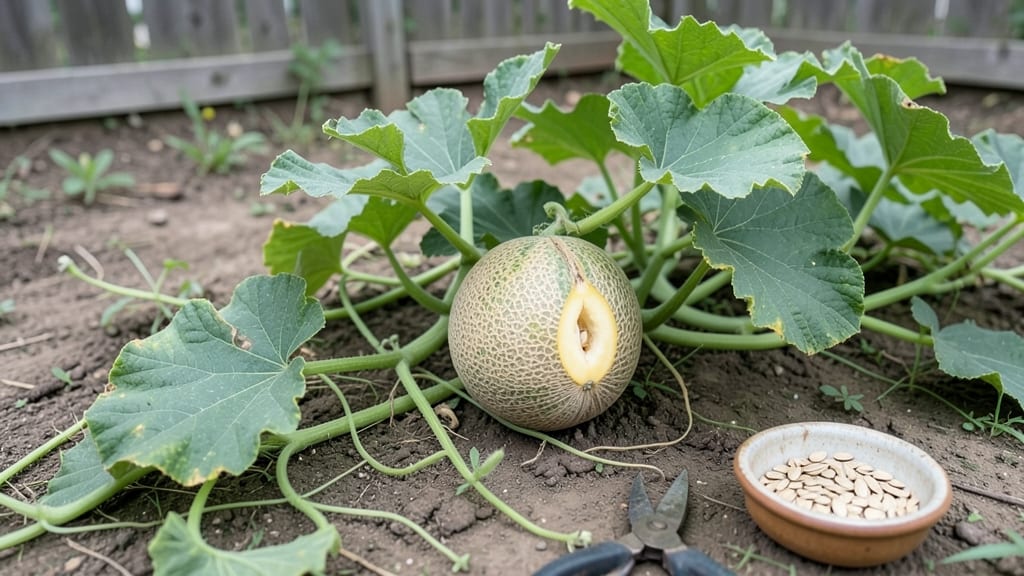
Yes, cantaloupe seeds can be eaten raw or cooked, offering a nutty flavor and nutritional benefits like fiber, healthy fats, and small amounts of protein, but always ensure they’re thoroughly washed to remove any pesticide residue or bacteria before consumption.
These tiny seeds pack a surprising nutritional punch, especially when you consider their mineral content—magnesium, zinc, and iron work together to support everything from muscle function to immune health. 🌱 While they’re not as protein-rich as pumpkin seeds, their crunchy texture and mild earthiness make them a fun snack or ingredient in homemade granola or seed butter.
Just remember: kids under 5 should avoid them due to choking risks, and always roast seeds thoroughly to enhance flavor and digestibility.
For the best results, I recommend drying and lightly roasting the seeds at 300°F for about 10-15 minutes—this brings out their natural sweetness while preserving nutrients. Store them in an airtight container for up to 2 weeks to keep them fresh.
If you’re curious about alternatives, watermelon seeds are another great option with a similar crunch and mineral profile!
💡 In This Article
- Nutritional Breakdown of Cantaloupe Seeds
- How to Prepare and Safely Eat Cantaloupe Seeds
Nutritional breakdown of cantaloupe seeds
Cantaloupe seeds are a hidden nutritional powerhouse, offering a unique blend of macronutrients and micronutrients that rival other edible seeds. Per 1 ounce (about 28 grams) of dried cantaloupe seeds, you get approximately 150 calories, 14 grams of healthy fats (mostly unsaturated), and 9 grams of protein.
This makes them a great plant-based protein source compared to watermelon seeds, which contain only 4 grams of protein per ounce, while pumpkin seeds deliver 10 grams but with higher fat content.
The real standout here is their mineral profile. Cantaloupe seeds are particularly rich in magnesium (120 mg, or 28% DV), zinc (2.5 mg, or 23% DV), and iron (1.5 mg, or 8% DV).
Magnesium supports muscle and nerve function, zinc boosts immunity, and iron aids oxygen transport in the blood. This combination makes them especially beneficial for those with mineral deficiencies or active lifestyles. 💫 The seeds also contain small amounts of potassium and calcium, contributing to bone health and electrolyte balance.
What sets cantaloupe seeds apart from their seed cousins is their antioxidant content. They contain polyphenols and carotenoids like beta-carotene, which give them their pale yellow hue and contribute to their anti-inflammatory properties. These compounds help neutralize free radicals in the body, potentially reducing oxidative stress.
While pumpkin seeds boast higher levels of antioxidants like tocopherols, cantaloupe seeds offer a different profile with unique phytonutrients that support digestive health due to their 3 grams of dietary fiber per ounce.
Here's how they compare to other edible seeds in terms of key nutrients:
- Protein: Cantaloupe (9g) vs. Pumpkin (10g) vs. Watermelon (4g)
- Magnesium: Cantaloupe (28% DV) vs. Pumpkin (15% DV) vs. Watermelon (8% DV)
- Zinc: Cantaloupe (23% DV) vs. Pumpkin (14% DV) vs. Watermelon (6% DV)
- Fiber: Cantaloupe (3g) vs. Pumpkin (2g) vs. Watermelon (1g)
The fiber content in cantaloupe seeds works synergistically with their magnesium to support digestive regularity and gut health. The magnesium helps relax intestinal muscles, while the fiber adds bulk to stool, preventing constipation.
This makes them an excellent snack for those looking to improve digestion without the heaviness of some other seed options. 🌟
For practical application, incorporating cantaloupe seeds into your diet can be as simple as sprinkling them on salads or blending them into homemade trail mixes. Their nutty flavor pairs well with sweet and savory dishes alike.
Just be mindful of portion sizes—while they're nutritious, their calorie density means moderation is key for weight management.