
Propagation
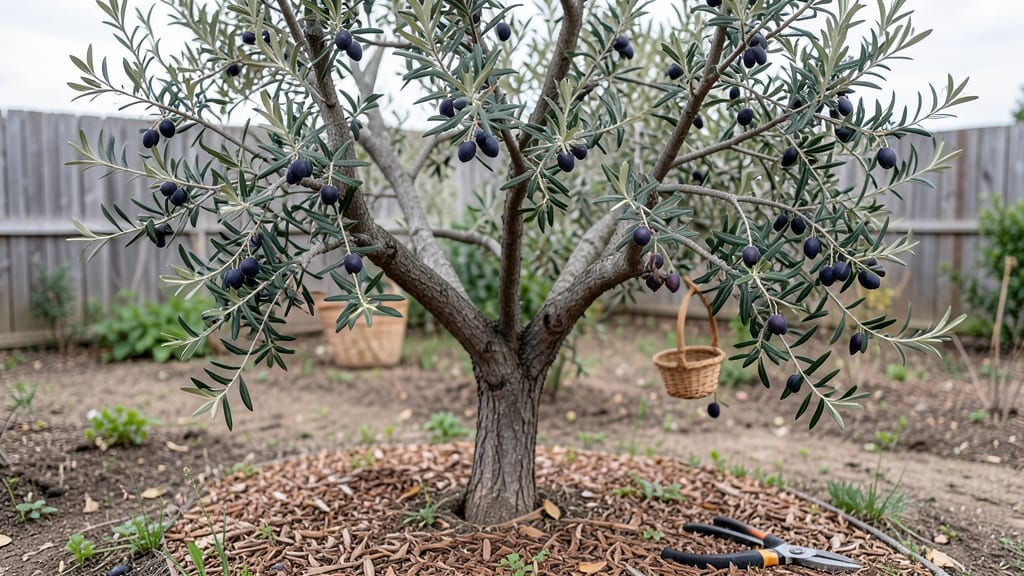
Growing black olive trees from seeds is one of those rewarding projects that takes patience but pays off with a sturdy, drought-resistant tree. ✨ I’ve started olives from grocery store pits, and while they won’t bear fruit for years, the satisfaction of watching a seedling grow into a 6-foot sapling is unmatched.
The key isn’t just planting—it’s understanding the slow, stubborn germination process that separates success from frustration.
You’ll need a few simple supplies: a warm spot (70–80°F), a shallow container with drainage, and a mix of sand and potting soil to prevent rot. Most people rush the process, but olives take 4–12 weeks to sprout—sometimes longer.
Soaking the pits for 24 hours first speeds things up, but don’t expect miracles. Think of it like waiting for a stubborn friend to show up; persistence wins the day.
Once sprouted, your seedlings will need bright, indirect light and consistent moisture (but not soggy soil). After a year, they’ll look like tiny, leathery-leafed shrubs—hardy enough to handle neglect but thriving with a little care.
The real magic happens when you transplant them outside after the last frost, where they’ll grow into a drought-tolerant tree that outlasts most garden trends.
Here’s the catch: seed-grown olives rarely produce fruit in their lifetime. But that doesn’t matter—they’re prized for their wood, ornamental value, and the quiet pride of growing something from nothing. Now, let’s get those pits soaking.
📚 In This Guide
- What you need
- Instructions
- Tips and common mistakes
- Wrapping up and next steps
What you need
- ● Black olive seeds: 5–10 fresh, pitted olives (ensure they’re not cured or brined—fresh is key!)
- ● Small pots or containers: 2–4 (4–6 inches in diameter) with drainage holes
- ● Well-draining potting mix: 2–3 cups (use a blend of cactus/succulent soil + perlite or sand for aeration)
- ● Watering can or spray bottle: For gentle hydration (avoid soggy soil!)
- ● Clear plastic wrap or humidity dome: To create a mini greenhouse effect
- ● Scissors or pruning shears: For trimming seeds if needed
- ● Label markers: To track seed varieties and planting dates
- ● Seed stratification kit: If your climate is cold, a fridge (or cool basement) for pre-treatment
- ● Grow lights: LED or fluorescent bulbs (12–16 hours/day) for indoor seedlings
- ● Fertilizer (low-nitrogen): Like fish emulsion or compost tea (once sprouts appear)
- ● Heat mat: For faster germination in cooler climates
- ● Journal/notebook: To log growth milestones (because every sprout is a win! 🎉)
Step-by-Step instructions for germinating black olive seeds
Olive trees from seed take patience, but the reward is a hardy, drought-resistant tree that thrives for decades.
🌱 Step 1: Prepare Seeds for Faster Germination
Black olive seeds need a special trick to break dormancy—stratification mimics winter's cold period. First, remove the pit from a fresh, ripe black olive and rinse off any flesh. Place the clean seed in a small plastic bag with moistened peat moss or a damp paper towel. Seal the bag and refrigerate for 6-8 weeks.
Check the seed weekly—it should feel damp but not soggy. If the moisture dries out, spritz with water and reseal. This cold treatment softens the seed coat, allowing water to penetrate and kickstart germination. I always label the bag with the date to track progress.
💧 Step 2: Sow Stratified Seeds in Warmth
After stratification, plant the seed ½ inch deep in a small pot filled with well-draining potting mix. Use a 4-inch container to give the seedling room to establish roots without competition. Press the soil lightly around the seed to ensure good contact.
Place the pot in a warm, bright spot with temperatures between 65-75°F. A seedling heat mat set to 70°F speeds up germination significantly. Keep the soil consistently moist—never soggy—by watering gently at the base. Germination can take 4-12 weeks, so patience is key.
☀️ Step 3: Provide Light and Gradual Hardening
Once the seedling emerges, move it to a sunny windowsill or under a grow light for 12-14 hours daily. Olive seedlings need strong light to prevent leggy growth. If the stem stretches too tall or looks pale, the light source is too weak or too far away.
After 4-6 weeks of steady growth, start hardening off the seedling. Place it outside in a sheltered spot for 1-2 hours the first day, gradually increasing exposure over 2 weeks. This slow transition prevents shock and helps the young tree adapt to outdoor conditions.
🪴 Step 4: Transplant to a Permanent Container
When the seedling reaches 12-18 inches tall with a sturdy stem, transplant it to a 5-gallon container filled with a mix of potting soil and perlite. Olive trees need excellent drainage, so ensure the pot has drainage holes. Water deeply after transplanting to settle the soil.
Place the container in full sun, as olive trees thrive in 6+ hours of direct sunlight daily. Prune leggy growth to encourage bushier development. With consistent care, your olive tree will mature into a resilient, long-lived specimen—worth every step of the process.
Tips & tricks for perfect black olive seed germination
A few key strategies will help you navigate the unique challenges of growing olive trees from seed—and avoid the common pitfalls that derail many gardeners.
Stratification Precision: The 6-8 week cold treatment in Step 1 is non-negotiable for breaking olive seed dormancy. I've found that using a small plastic bag with moistened peat moss creates the ideal microclimate—check weekly to maintain consistent moisture without sogginess. If your refrigerator runs cooler than 40°F, consider adding a second bag with a thermometer to ensure temperatures stay between 35-40°F. The goal is to soften the seed coat just enough for water penetration without causing rot.
Soil Science for Step 2: Olive seedlings demand well-draining soil from day one. I recommend mixing your potting soil with 20% perlite or coarse sand to improve aeration. The ½-inch planting depth might seem shallow, but olive seeds need oxygen access to germinate properly. After planting, gently press the soil around the seed to eliminate air pockets—this ensures consistent contact with moisture. A 4-inch container gives roots room to establish without competing for nutrients, which is especially important during the 4-12 week germination window.
Light Management Secret: The 12-14 hours of daily light in Step 3 isn't just about duration—it's about intensity. Olive seedlings are particularly sensitive to light quality. If using a grow light, position it 6-8 inches above the plant and use full-spectrum bulbs. I've seen seedlings develop leggy growth when placed too far from weak fluorescent lights. For windowsill growing, south-facing exposures provide the most consistent results, though west-facing windows can work if supplemented with a small grow light during cloudy days.
Hardening Timeline: The gradual hardening process in Step 3 is where many gardeners rush and end up with shocked seedlings. Start with just 1-2 hours on day one, even if your local climate seems mild. Olive trees are Mediterranean natives—they're accustomed to sudden temperature shifts but need time to acclimate. I increase exposure by 30-60 minutes daily, watching for signs of stress like curled leaves or wilting. This slow transition mimics natural spring conditions and prevents transplant shock when moving to permanent containers.
Pro Tips for Black Olive Seeds
- A few key strategies will help you navigate the unique challenges of growing olive trees from seed—and avoid the common pitfalls that derail many gardeners.
- Stratification Precision: The 6-8 week cold treatment in Step 1 is non-negotiable for breaking olive seed dormancy.
- Soil Science for Step 2: Olive seedlings demand well-draining soil from day one.
Frequently asked questions
Got questions about growing olive trees from black olive seeds? You’re not alone!
Here are answers to the most common queries—from timing to troubleshooting—to help you succeed with your propagation project.
How long does it take for black olive seeds to germinate?
Germination can take anywhere from 3 weeks to 6 months, depending on factors like seed freshness, temperature, and moisture. Patience is key—olive seeds are notoriously slow! Store-bought seeds (often dried) may take longer than freshly extracted ones. Keep them in a warm, humid environment (around 70–80°F) to speed things up.
Can I use seeds from store-bought black olives?
Yes, but with a caveat! Store-bought olives are often treated with preservatives or pitted for convenience, which can inhibit germination. For best results, use seeds from fresh, untreated olives (like those from a local olive tree or a farm). If store-bought is your only option, soak the seeds in water for 24–48 hours to help break down any chemicals.
What’s the best time of year to plant black olive seeds?
The ideal time is late winter or early spring, when temperatures begin to rise. Olive seeds thrive in warmth, so avoid planting in freezing conditions. If you’re in a mild climate, you can start indoors 8–12 weeks before the last frost. Just ensure your seedlings have time to harden off before transplanting outdoors.
Why aren’t my black olive seeds sprouting?
Several factors could be at play: dormancy (common in olive seeds), poor moisture control (too dry or waterlogged), or inconsistent warmth. Try these fixes:
- Soak seeds in warm water for 3–5 days to soften the pit.
- Check your growing medium—it should stay moist but not soggy.
- Use a seedling heat mat (70–80°F) to maintain warmth.
- Be patient—some seeds need stratification (cold treatment) to break dormancy.
What’s a good alternative if my seeds won’t germinate?
If you’re struggling with seeds, consider these low-maintenance alternatives:
- Olive tree cuttings: Take 6-inch cuttings from a healthy tree in late winter/early spring and root them in perlite or sand.
- Grafted nursery saplings: Faster and more reliable, though pricier.
- Olive tree tissue culture: A high-tech option for guaranteed results (best for serious growers).
Bonus: If you’re patient, failed seeds can still be repurposed—plant them directly in soil as a last resort!
Wrapping up and next steps
Discovering the germination secrets of black olive seeds unlocks a world of rewarding olive tree cultivation—whether you’re dreaming of a lush backyard grove or simply love the satisfaction of nurturing life from scratch. 🌱 With the right patience, tools, and techniques, you can transform tiny seeds into thriving saplings, even if you’re a beginner.
The key? Consistency and curiosity—let your green thumb guide you!
Ready to take the next step? Start by picking your favorite seeds from a fresh black olive, then dive into the step-by-step guide above. Before you know it, you’ll be harvesting your own olives—or even sharing your success with fellow plant enthusiasts. Your olive tree adventure begins now! 🌿✨