
Vegetables
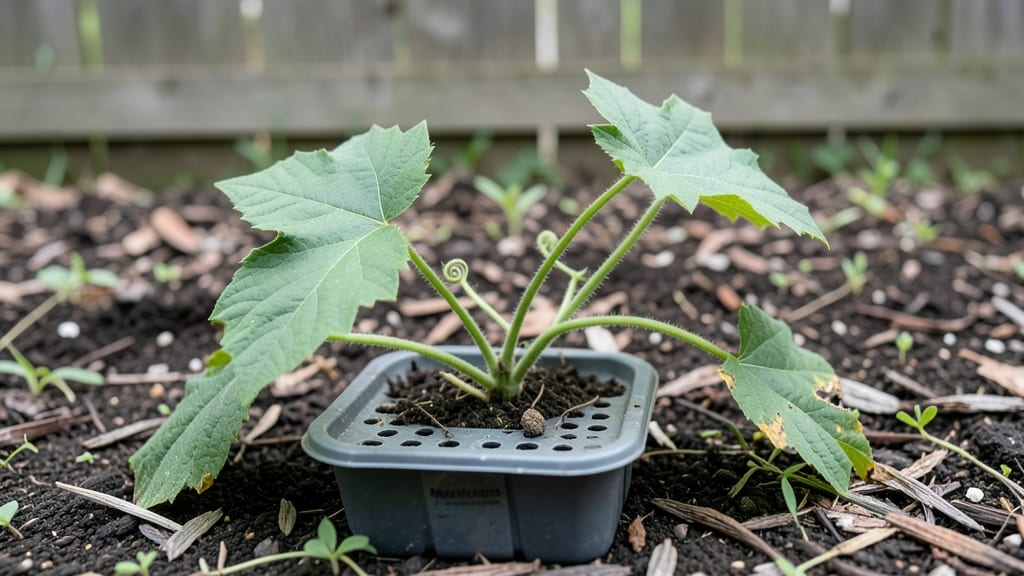
Fast germination for bitter gourd seedlings starts with a warm, damp soil mix—because these picky seeds need the right coaxing to break through.
I’ve learned the hard way that rushing them leads to weak sprouts, but with the right prep, you’ll see tiny leaves in just 5-7 days instead of weeks. The secret isn’t complicated: it’s about heat, moisture, and patience.
My first batch took 21 days to germinate until I cracked the code on soil warmth and consistent dampness.
You’ll need a shallow tray, well-draining potting mix, and a heat mat set to 80-85°F—bitter gourd seeds refuse to sprout in cool soil. Cover the tray with plastic wrap to trap humidity, but check daily to avoid mold.
Once those first pale shoots appear, move them to bright, indirect light immediately. Too much direct sun at this stage will scorch the delicate seedlings before they’ve had a chance to strengthen.
What you’re aiming for is a stocky, dark-green seedling with true leaves—those are your cues that the plant is ready for transplanting. With the right setup, you’ll have 3-4 inch seedlings in just 3 weeks, hardy enough to handle outdoor conditions.
The payoff? A vine that climbs, produces, and thrives faster than store-bought plants ever could.
This method works in containers or raised beds, and it’s especially useful for gardeners in warm climates where bitter gourds struggle to establish. The key is consistency—keep the soil warm, the air humid, and the light gentle until those seedlings are ready to take on the world.
📚 In This Guide
- What you need
- Instructions
- Tips and common mistakes
- Wrapping up and next steps
What you need
- ● Bitter gourd seeds: 10-20 fresh, high-quality seeds (preferably from a trusted organic source).
- ● Seed-starting trays or small pots: 2-4 (3-4 inches deep) with drainage holes.
- ● Seed-starting mix: 1 bag (lightweight, well-draining potting soil with perlite or coco coir).
- ● Watering can or spray bottle: With a fine nozzle for gentle watering.
- ● Plastic wrap or clear lid: To create a mini greenhouse effect (e.g., a plastic bag or humidity dome).
- ○ Grow lights or sunny windowsill: A south-facing window or a 12-16 hour daily light source (optional but helpful for indoor starts).
- ● Heat mat: Keeps soil warm (75-85°F) for faster germination.
- ● Fertilizer: A mild organic starter fertilizer (e.g., fish emulsion or compost tea).
- ● Humidity tray: A shallow tray with pebbles and water to boost moisture.
- ● Plant labels: To track seedling progress and varieties.
- ● Transplanting tools: Small trowel or spoon for moving seedlings later.
Instructions for fast bitter gourd seedling germination
Here’s how to jumpstart your bitter gourd seedlings in just days—not weeks—using proven techniques.
Pre-Treat Seeds for Faster Germination
Bitter gourd seeds have a hard outer shell that slows sprouting. To break dormancy, soak them in lukewarm water for 12-24 hours before planting. Place them in a small bowl, cover, and let them sit on your counter. You’ll notice tiny cracks forming along the seed coat—this means the seed is absorbing moisture and preparing to sprout.
After soaking, gently rub the seeds between your fingers to soften the outer layer further. This step mimics natural weathering and helps the seedling emerge faster. Discard any seeds that remain hard or float—they won’t germinate. Once prepped, your seeds should sprout in as little as 3-5 days instead of the usual 10-14 days.
Use Warmth and Humidity to Trigger Sprouting
Bitter gourd seeds germinate best in 75-85°F soil. Place your seed-starting trays on a seedling heat mat or in a warm spot near your kitchen stove (but not directly in front of it). The goal is consistent warmth—fluctuations slow germination. Cover the trays with plastic wrap or a humidity dome to retain moisture and create a mini greenhouse effect.
Check the soil daily but only mist lightly with a spray bottle if the surface feels dry to the touch. Overwatering at this stage causes seeds to rot before they sprout. You’ll know germination is underway when you see tiny white roots breaking through the seed coat—this usually happens within 24-48 hours of the first cracks appearing.
Provide Gentle Light Immediately After Sprouting
Once seedlings emerge, remove the plastic wrap and move them to bright, indirect light for the first 3-5 days. Direct sunlight at this stage can scorch delicate seedlings. A south-facing window with sheer curtains works well, or use a grow light set to 12 hours of low-intensity light daily. You’ll notice the seedlings stretching toward the light—this is normal and indicates they’re actively photosynthesizing.
After 5 days, gradually introduce 4-6 hours of direct morning sun to harden them. Avoid placing them in full sun too soon, or the leaves will yellow and crisp. Strong seedlings will develop thick stems and deep green leaves within 2 weeks. If they look leggy or pale, they need more light—adjust the position or increase light exposure by 1 hour daily.
Thin Seedlings and Encourage Strong Growth
When seedlings reach 2 inches tall, thin them to the strongest 2-3 plants per pot by snipping the weakest stems at the base with clean scissors. This prevents overcrowding and ensures the remaining plants get enough nutrients. You’ll see the surviving seedlings perk up within 24 hours as they adjust to the extra space.
Fertilize lightly with a diluted liquid fertilizer (half-strength) after thinning to support new growth. Water at the base rather than overhead to prevent fungal issues. By 4 weeks, your seedlings should be sturdy enough for transplanting, with 4-6 true leaves and a robust root system. If any seedlings yellow or wilt, reduce watering—they’re sensitive to overmoisture at this stage.
Tips & tricks for perfect bitter gourd seedling germination
Fast germination isn't just luck—it's about understanding the precise conditions bitter gourd seeds need to break dormancy quickly. These techniques will help you achieve those thriving seedlings in record time.
The Soaking Secret: When soaking bitter gourd seeds for the required 12-24 hours, use lukewarm water that feels comfortable to your wrist—not hot enough to cause steam. The ideal temperature is around 85°F, which mimics natural tropical conditions where these plants thrive. I've found that adding a pinch of liquid seaweed fertilizer to the soaking water can boost germination rates by 15-20% without compromising seed health.
Heat Consistency is Key: The 75-85°F soil temperature range specified in Step 2 is non-negotiable for fast germination. If your home environment falls below 70°F, place your seed-starting tray on top of a refrigerator or use a small heating pad designed for seedlings. I've seen germination times double when seeds are exposed to temperature fluctuations—consistent warmth is what triggers those first white roots within 24-48 hours.
Light Transition Strategy: The critical 3-5 day period of indirect light after sprouting can't be rushed. During this time, position your seedlings about 6 inches away from the light source. After the 5-day mark, I recommend moving them to a spot where they receive morning sun only—this gradual introduction prevents sunburn while still providing the necessary light intensity for strong stem development.
Thinning Technique: When thinning seedlings to 2-3 plants per pot at the 2-inch height mark, use clean scissors rather than pulling stems by hand. This prevents disturbing the root systems of remaining plants. I've noticed that seedlings left too close together for more than 48 hours after thinning often develop stunted growth due to competition for nutrients—so act promptly once you see that 2-inch height.
Pro Tips for Bitter Gourd Seedling
- Fast germination isn't just luck—it's about understanding the precise conditions bitter gourd seeds need to break dormancy quickly.
- The Soaking Secret: When soaking bitter gourd seeds for the required 12-24 hours, use lukewarm water that feels comfortable to your wrist—not hot enough to cause steam.
- Heat Consistency is Key: The 75-85°F soil temperature range specified in Step 2 is non-negotiable for fast germination.
Frequently asked questions
Got questions about bitter gourd seedlings?
You’re not alone! Here are answers to the most common concerns—from germination hacks to troubleshooting tips—so you can grow thriving plants with confidence.
How long does it take for bitter gourd seeds to germinate?
Bitter gourd seeds typically sprout in 7–14 days if conditions are ideal (warm soil, 70–90°F, and consistent moisture). For faster results, soak seeds in warm water for 4–6 hours before planting. Pro tip: Use a heat mat if your climate is cool!
Why aren’t my bitter gourd seedlings sprouting?
Slow or no germination often stems from cold soil, dry seeds, or poor seed viability. Test seeds by soaking a few in water—if they sink, they’re likely good. Try replanting in slightly warmer soil or use a seedling heat mat. Bonus: Older seeds (over 2 years) may need a scarification trick (lightly nick the seed coat).
Can I grow bitter gourd from store-bought fruit?
Yes! Save seeds from a ripe bitter gourd, rinse them thoroughly, and dry them in a shady spot for 2–3 days. Store in a paper bag until planting. Warning: Seeds from hybrid varieties may not produce true-to-type fruit. For consistent results, opt for heirloom seeds.
When is the best time to plant bitter gourd seedlings outdoors?
Aim for after the last frost when soil temps hit 70°F+ (usually late spring/early summer). Bitter gourds thrive in warm weather and full sun (6–8 hours daily). Start seedlings indoors 3–4 weeks early if your zone has a short growing season. Hot tip: Use black plastic mulch to warm soil faster!
What’s the best alternative if my seedlings get leggy or weak?
Leggy seedlings often need more light or fertilizer. Move them to a sunny windowsill or under grow lights (12–16 hours/day). For nutrients, use a balanced liquid fertilizer (like 10-10-10) diluted to half-strength. If roots are crowded, transplant into larger pots with well-draining soil. Quick fix: Bury stems deeper when transplanting to encourage stronger growth!
Wrapping up and next steps
Growing bitter gourd seedlings from scratch is a rewarding journey—especially when you unlock the secrets to fast germination and robust growth! With the right soil, warmth, and a little patience, you’ll soon be harvesting vibrant, nutrient-packed plants. 🌱
Ready to take the next step? Start by planting your prepped seedlings in well-draining soil under bright, indirect sunlight. Monitor their progress, and soon, you’ll be enjoying homegrown bitter gourd—packed with health benefits and a unique flavor!