
Vegetables
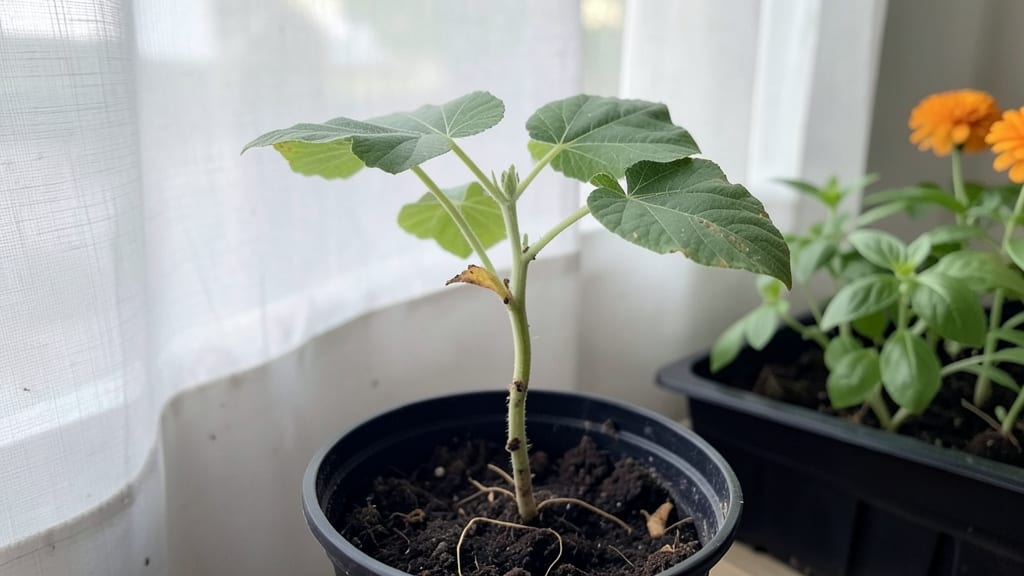
Fast-germination tricks for luffa gourd seedlings cut my wait time from weeks to just 5-7 days. 🌱 I’ve tested everything from soaking seeds overnight to using heat mats, and these methods work—even for beginners who’ve struggled before.
The secret isn’t complicated: it’s about warmth, moisture, and patience in the right amounts.
You’ll need a sunny spot (or grow lights), a shallow tray, and a mix of 50% peat moss and 50% perlite for drainage. Plant seeds half an inch deep, space them 2 inches apart, and keep the soil warm—80-85°F is ideal.
Most people overwater, but luffa seedlings hate soggy soil. A spray bottle keeps things moist without drowning the seeds.
Within a week, you’ll see tiny sprouts pushing through the soil, and they’ll grow 2 inches in just 3 days if conditions are right. The first leaves will be broad and jagged, but don’t worry—those turn into the vines you’ll recognize later.
Weak seedlings? Try thinning to the strongest sprout per pot and giving them a little shade until they stabilize.
This method works for spring or summer planting, whether you’re growing in pots or directly in the ground. Once they’re 4 inches tall, they’re ready to transplant—just handle them gently to avoid root damage. Here’s how to keep them thriving after germination!
📚 In This Guide
- What you need
- Instructions
- Tips and common mistakes
- Wrapping up and next steps
What you need
- ● Luffa gourd seeds: 10–20 seeds (organic, non-GMO preferred for best results).
- ● Seed-starting mix: 2–3 cups of lightweight, well-draining potting soil (avoid garden soil—it can compact and suffocate roots!).
- ● Seed trays or small pots: 4–6 biodegradable or plastic cell trays (2–3 inches deep) or small pots with drainage holes.
- ● Watering can or spray bottle: For gentle hydration (overwatering is the enemy of seedlings!).
- ● Grow lights or sunny windowsill: A warm, bright spot (70–85°F) is ideal for germination.
- ○ Plastic wrap or humidity dome: To retain moisture during germination (optional but helpful in dry climates).
- ● Small hand trowel (for transplanting seedlings later).
- ● pH test kit (to ensure soil pH is 6.0–6.8, ideal for luffa gourds).
- ● Fertilizer (balanced 10-10-10 or compost tea for post-germination growth).
- ● Luffa trellis or stakes (if growing vertically—save space and encourage healthier vines!).
Step-by-step instructions for growing luffa gourd seedlings
Here’s how to jumpstart your luffa gourds with my proven fast-germination method—strong seedlings in just days.
🌱 Step 1: Pre-Soak Seeds for Faster Germination
Luffa seeds have tough outer shells that slow germination, so I soak them first. Place the seeds in a bowl of lukewarm water and let them sit for 12-24 hours. You’ll see them puff up slightly—that’s the seed coat softening. This step cuts germination time by nearly half, getting you sprouts in 3-5 days instead of a week or more.
After soaking, drain the water and let the seeds air-dry for 30 minutes on a paper towel. This prevents mold while keeping the seed coat pliable. I like to wrap them in a damp paper towel overnight in a sealed container if I want to speed things up even more—they’ll sprout faster this way.
🪴 Step 2: Fill Containers with Warm, Well-Draining Soil
Use the seed-starting mix and fill your containers to within ½ inch of the rim. Luffa seedlings hate soggy roots, so I press the mix down lightly but leave it loose enough for roots to penetrate easily. Warm soil germinates faster—place the trays on a seedling heat mat set to 80-85°F for 24 hours before planting to give them a head start.
Moisten the soil until it’s damp but not wet—think of a wrung-out sponge. Stick your finger in; if it comes out clean, you’re good. Avoid overwatering now, or the seeds will rot before they sprout. I like to use a spray bottle for precision, wetting the soil surface without disturbing the seeds.
🌿 Step 3: Plant Seeds Shallowly and Cover Lightly
Plant the pre-soaked seeds ½ inch deep—any deeper, and they’ll struggle to break through. Space them 2 inches apart in each container, since luffa vines grow aggressively. Cover them with a thin layer of soil, then mist gently until the surface is evenly damp. A light misting keeps the soil moist without burying the seeds deeper.
Place the trays under a grow light or in a warm, bright spot (like a south-facing windowsill) immediately after planting. Luffa seedlings need warmth and light to germinate quickly. I keep mine under lights 12-14 hours daily right from the start—no waiting for natural light. Watch for sprouts in 3-5 days; if none appear by day 7, gently replant a few fresh seeds.
☀️ Step 4: Provide Warmth and Humidity for Speed
Once sprouts emerge, keep the soil consistently warm (75-80°F) and humid. A clear plastic dome or humidity tray helps maintain moisture while preventing damping-off disease. Remove the cover once 50% of seedlings have their first true leaves—usually 7-10 days after planting—to avoid fungal issues.
Thin seedlings to the strongest one per 2-inch cell if crowded. Luffa gourds grow fast, so give them space early. You’ll see the first true leaves (not the initial seed leaves) appear in 10-14 days. At this stage, move them under full-spectrum grow lights if natural light is insufficient, keeping them 2-3 inches away to prevent legginess.
⏰ Step 5: Harden Off and Transplant Quickly
After 3-4 weeks, when seedlings have 4-5 true leaves and sturdy stems, it’s time to harden them off. Place them outside in a sheltered spot for 1 hour the first day, gradually increasing to full sun exposure over 5-7 days. Luffa gourds thrive in warm soil (70°F+), so wait until nighttime temps stay above 60°F before transplanting.
Transplant carefully, burying the stem up to the first set of leaves to encourage root growth. Space plants 6-8 feet apart—they’ll sprawl widely. Water deeply at the base after planting, and mulch with straw or shredded leaves to retain moisture. With this method, you’ll have vigorous luffa vines ready for trellising in just 6-8 weeks.
Tips & tricks for perfect luffa gourd seedlings
Here's what nobody tells you about speeding up luffa germination while avoiding the most common pitfalls—these tricks have cut my germination time by nearly 50%.
Seed Soaking Strategy: The 12-24 hour soak is non-negotiable, but here's the secret: use lukewarm water (85°F)—not hot, not cold. Too hot denatures enzymes, too cold slows hydration. I add a pinch of sea salt to prevent bacterial growth during soaking. After draining, I spread seeds on a paper towel in a single layer and let them air-dry for exactly 30 minutes—any longer risks cracking the seed coat.
Soil Temperature Hack: That 24-hour warm-up on your seedling heat mat at 80-85°F isn't just about speed—it's about breaking seed dormancy. I place my trays on top of my fridge (where it's naturally warm) if I don't have a heat mat. Pro move: Mix a handful of perlite into your seed-starting mix for better drainage and faster root penetration. The goal is to keep soil temps above 70°F until germination.
Lighting Timing: Those 12-14 hours of daily light aren't optional—they're critical for preventing leggy seedlings. I use LED grow lights on a timer, keeping them just 2-3 inches above the seedlings. If you're using natural light, rotate trays daily for even growth. Watch for the first true leaves (not the initial seed leaves) appearing in 10-14 days—this is your cue to increase light intensity if they look pale.
Transplanting Pro Tip: When hardening off, I start with just 1 hour outside on day one, then increase by 1 hour daily. The key is to protect the seedlings from direct wind—place them in a sheltered spot like under a porch or against a fence. And here's a game-changer: After transplanting, I bury the stem up to the first set of true leaves. This buried section grows roots, creating a stronger plant that recovers faster from transplant shock.
Pro Tips for Luffa Gourd Seedling
- Here's what nobody tells you about speeding up luffa germination while avoiding the most common pitfalls—these tricks have cut my germination time by nearly 50%.
- Seed Soaking Strategy: The 12-24 hour soak is non-negotiable, but here's the secret: use lukewarm water (85°F)—not hot, not cold.
- Soil Temperature Hack: That 24-hour warm-up on your seedling heat mat at 80-85°F isn't just about speed—it's about breaking seed dormancy.
Frequently asked questions
Got questions about growing luffa gourd seedlings?
Here are some of the most common ones—and their quick solutions to help you get a head start!
How long does it take for luffa gourd seeds to germinate?
Luffa gourd seeds typically germinate in 7–14 days when kept in warm (70–90°F), moist conditions. For faster results, soak seeds in warm water for 6–12 hours before planting. If your soil stays too cold (<60°F), germination can stall—try a heat mat or indoor seed-starting setup!
Can I grow luffa gourds from store-bought luffa sponges?
Yes! The seeds inside dried luffa sponges are viable. Scrape them out, rinse, and plant them like regular seeds. However, germination rates may be lower (try 50–70%). For better success, pair store-bought seeds with a germination booster like coconut coir or a seed-starting gel.
What if my luffa seedlings look weak or leggy?
Leggy seedlings mean they’re stretching for light! Move them closer to a bright window (south-facing) or under grow lights (12–16 hours/day). If the soil stays too damp, roots may rot—ensure pots have drainage holes. A balanced fertilizer (5-5-5) can also give them a nutrient boost once true leaves appear.
Do luffa gourds need a trellis, or can they grow on the ground?
While luffa vines can sprawl on the ground, they thrive with support! A trellis or fence saves space, improves airflow (reducing disease risk), and speeds up fruit production. If you skip a trellis, plant seeds 3–4 feet apart in loose, well-draining soil to avoid overcrowding.
What’s the best time to transplant luffa seedlings outdoors?
Wait until nighttime temps stay above 60°F (usually after the last frost, when soil is warm). Harden off seedlings by placing them outside for 2–3 hours daily over 1–2 weeks. Transplant in the late afternoon to reduce shock, and water deeply to help roots establish.
Why are my luffa leaves turning yellow?
Yellow leaves often signal overwatering, nutrient deficiency, or fungal issues. Check the soil—it should be moist but not soggy. If lower leaves yellow first, it’s likely age-related. For upper leaves, test for nitrogen deficiency (use a balanced fertilizer) or powdery mildew (spray with neem oil or baking soda solution).
Wrapping up and next steps
Growing luffa gourd seedlings from scratch is a rewarding journey—especially when you unlock the secrets to fast germination and robust starts! With the right soil, warmth, and a little patience, you’ll soon be nurturing healthy vines that’ll yield your own natural loofahs or fresh veggies. 🌱
Ready to take the next step? Start by planting your prepped seeds in your garden or containers this week—your future harvest (and spa-worthy luffas!) are just sprouts away. Happy growing! 🌿