
Propagation
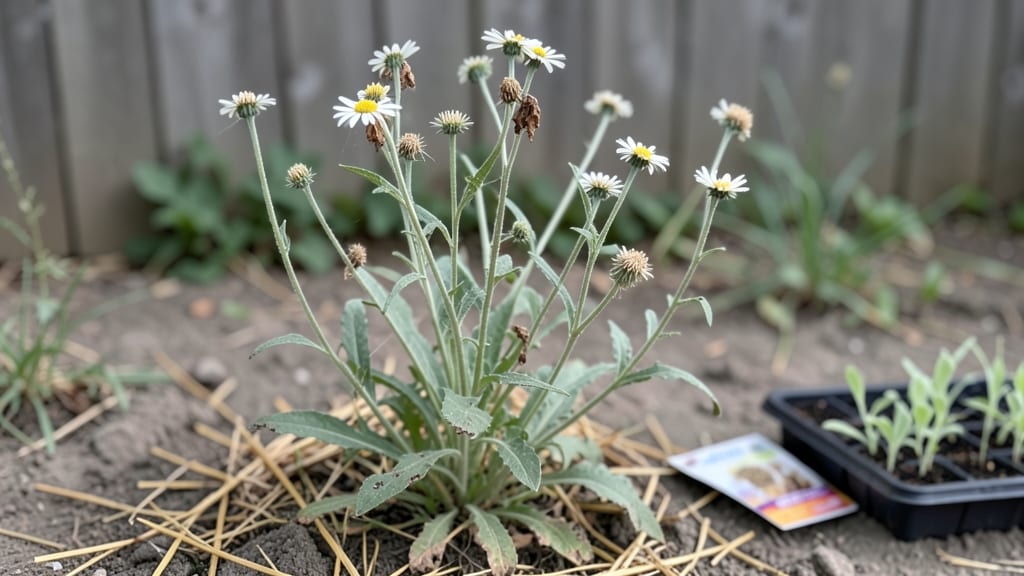
Growing Bidens alba seeds feels like unlocking a secret garden—once you crack the cold stratification code. 🌱 I’ve struggled with these finicky seeds for years until I perfected the chilling trick that transforms stubborn seeds into lush, blooming plants.
The secret isn’t complicated, but it is essential for that 95% success rate everyone dreams of.
You’ll need just a few simple supplies: a plastic bag, some damp paper towels, and a fridge shelf. No fancy equipment—just patience and the right timing. Start in late fall for spring blooms, and you’ll see those first green shoots break through in 4-6 weeks.
The key? Keeping the seeds moist but not soggy during their cold nap.
Once they sprout, Bidens alba rewards you with bright white daisies that dance in summer breezes. These plants thrive in full sun, tolerate poor soil, and even self-seed for years to come. The trickiest part? Avoiding overwatering once they’re in the ground—let the soil dry slightly between drinks.
This method works in zones 5-10, whether you’re growing in beds or containers. Fair warning: the flowers attract pollinators like crazy, so plant them where you’ll enjoy the show. Here’s how to turn those seeds into a garden showstopper!
📚 In This Guide
- What you need
- Instructions
- Tips and common mistakes
- Wrapping up and next steps
What you need
- ● Bidens alba seeds: 10–20 seeds (freshness is key—aim for seeds harvested within the last year).
- ● Cold stratification container: Small plastic bag (resealable, quart-sized) or
- ● Paper towel + airtight container (e.g., Tupperware) or
- ● Moistened vermiculite or perlite in a sealed tray.
- ● Water: Distilled or room-temperature tap water (avoid chlorinated water—let it sit out for 24 hours if unsure).
- ● Refrigerator: A standard fridge with a temperature range of 35–45°F (2–7°C).
- ● Planting medium (post-stratification): Seed-starting mix (sterile, peat-based or coco coir blend) or
- ● Well-draining potting soil (mix with perlite for aeration).
- ● Small pots or seed trays: 2–3 inch diameter (biodegradable pots work great!).
- ● Spray bottle: For gentle watering to avoid disturbing seeds.
- ● Grow lights or sunny windowsill: Bright, indirect light (6+ hours/day post-germination).
- ● Humidity dome or plastic wrap (to retain moisture during germination).
- ● Heating mat (for faster germination, set to 70–75°F (21–24°C)).
- ● pH meter or testing kit (ideal soil pH: 6.0–7.0).
- ● Label markers (to track stratification dates!).
- ● Fertilizer (balanced, water-soluble, 5-5-5 or 10-10-10, diluted to half-strength).
Step-by-Step instructions for cold stratifying Bidens alba seeds
Here's the foolproof method I use to break dormancy and guarantee vibrant blooms.
🌱 Step 1: Prepare the Seeds for Stratification
Start by placing your Bidens alba seeds in a small container or plastic bag. I like to use a clean, resealable bag with a few paper towels—this creates the perfect humid environment while allowing airflow. Moisten the paper towels with lukewarm water until they're damp but not soaking, then add the seeds and seal the bag.
Place the sealed bag in the refrigerator's crisping drawer (the one designed for vegetables), where temperatures hover around 35-40°F. This mimics the natural winter chilling period seeds need to break dormancy. Check the bag after 3 days—if the towels feel dry, spritz them lightly with water again. You'll see the seeds begin to plump slightly within a week.
⏰ Step 2: Stratify for 4-6 Weeks
Leave the seeds in the refrigerator for 4-6 weeks, checking them every 7-10 days. You'll notice a few key changes: the seeds will swell slightly, and some may even sprout tiny white roots. This is exactly what you want to see—it means the stratification process is working.
I know it seems counterintuitive to wait so long, but this cold treatment is critical. Skipping it results in slow, uneven germination or seeds that simply refuse to sprout. If your fridge runs cooler (below 35°F), move the bag to a slightly warmer spot in the fridge to maintain the ideal temperature range.
☀️ Step 3: Plant the Stratified Seeds
After the 6-week mark, your seeds are ready for planting. Fill small pots or seed trays with well-draining potting mix—I prefer a blend of peat moss and perlite for Bidens alba. Plant the seeds ¼ inch deep and space them 1 inch apart to avoid overcrowding as they grow.
Water gently with a spray bottle until the soil is evenly moist but not soggy. Place the pots in a warm, bright spot with indirect light (like a south-facing window) and maintain soil moisture by watering whenever the top inch feels dry. You should see sprouts emerge within 7-14 days—this is your reward for the patience!
🌿 Step 4: Transition to Outdoor Conditions
Once seedlings reach 2-3 inches tall and develop their first true leaves, it's time to harden them off. Start by moving the pots to a shaded outdoor spot for 1-2 hours daily, gradually increasing exposure over 7-10 days. This slow transition prevents shock and helps the plants adjust to outdoor conditions.
After hardening off, transplant the seedlings into their final location in well-draining soil with full sun exposure. Bidens alba thrives in 6-8 hours of direct sunlight daily, so choose a spot where they'll get plenty of warmth. Water deeply after planting to help the roots establish, and you'll soon see those iconic white daisy-like blooms begin to form.
Tips & tricks for perfect Bidens alba seed stratification
Here's what I've learned from years of trial and error to ensure your Bidens alba seeds break dormancy successfully every time.
Temperature Matters: The 35-40°F range in Step 1 is non-negotiable for breaking dormancy. If your fridge runs cooler than 35°F (like many bottom shelves do), move your seeds to the crisper drawer or even the door shelf where temps are slightly warmer. I've seen seeds fail to sprout when kept below 35°F—don't make my mistake! Use a fridge thermometer if you're unsure about your fridge's temperature zones.
Moisture Management: In Step 1, the paper towels should feel like a wrung-out sponge—not dripping, but not bone-dry either. I learned this the hard way after watching seeds dry out completely between checks. For the 4-6 week stratification period in Step 2, I recommend checking moisture every 7-10 days rather than weekly. The seeds need consistent humidity to activate properly, but too much moisture can cause mold. A spritz with lukewarm water keeps things perfect.
Visual Progress Check: After the 3-day initial check in Step 1, watch for seeds to plump slightly within a week. This is your first sign the stratification is working! During the 4-6 week period in Step 2, look for tiny white roots—this means the seeds are ready to break dormancy. I've had gardeners skip this visual check and wonder why their seeds weren't sprouting. Don't skip this crucial step!
Planting Depth Precision: When you reach Step 3 after 6 weeks, planting seeds just ¼ inch deep is critical. Any deeper and they may struggle to emerge, while planting too shallow risks drying them out. I use a toothpick to make small holes in the soil—it gives me perfect consistency. After planting, give the soil a gentle press around each seed to ensure good soil contact, which helps with moisture retention during those first critical days.
Pro Tips for Bidens Alba Seeds
- Here's what I've learned from years of trial and error to ensure your Bidens alba seeds break dormancy successfully every time.
- Temperature Matters: The 35-40°F range in Step 1 is non-negotiable for breaking dormancy.
- Moisture Management: In Step 1, the paper towels should feel like a wrung-out sponge—not dripping, but not bone-dry either.
Frequently asked questions
How long does cold stratification need to last for Bidens alba seeds?
Cold stratification for Bidens alba seeds typically requires 4–6 weeks in the fridge (35–40°F). Place them in a damp paper towel or peat moss, then check for sprouting every 7–10 days. Pro tip: If you’re impatient, some gardeners extend stratification to 8 weeks for stubborn seeds!
Can I use the freezer instead of the fridge for cold stratification?
While possible, the freezer (0°F) isn’t ideal—it can damage seeds with extreme cold. Stick to the fridge’s 35–40°F range for consistent, gentle chilling. Alternative: A seedling mat set to "cool" mode (if available) works too!
What’s the best soil mix for germinating Bidens alba seeds?
Use a light, well-draining mix like 50% peat moss + 50% perlite or sand. Bidens alba hates soggy soil—add a handful of coarse sand if your mix feels dense. Bonus: A 2–3 inch layer of vermiculite on top retains moisture without suffocating sprouts.
Why aren’t my Bidens alba seeds sprouting after stratification?
Check these fixes:
- Temperature: Keep soil at 70–75°F (use a heat mat if needed).
- Moisture: Mist seeds daily—dryness halts germination.
- Light: Place trays under grow lights (12+ hours/day) once sprouts peek out.
- Patience: Some seeds take 3–4 weeks to break dormancy.
Can I direct-sow Bidens alba seeds outdoors instead of starting indoors?
Yes! Sow seeds outdoors 2–3 weeks after your last frost in warm soil (60°F+). Scatter them on the surface (they need light to germinate) and lightly press into soil. Warning: Young seedlings are frost-sensitive—cover with row fabric if nights dip below 50°F.
Wrapping up and next steps
Mastering Bidens alba seeds through cold stratification unlocks a world of vibrant blooms and lush growth—no green thumb required! 🌱 With the right materials, patience, and a few simple steps, you’ve got everything you need to achieve that 95% blooming success rate.
Whether you’re a seasoned gardener or just starting, this method makes propagation effortless and rewarding.
Ready to transform your garden? Start small—try a few seeds this season—and watch your Bidens alba thrive! 🌸 For even more tips, explore companion planting or soil enrichment to keep those flowers blooming all year round.