
Propagation
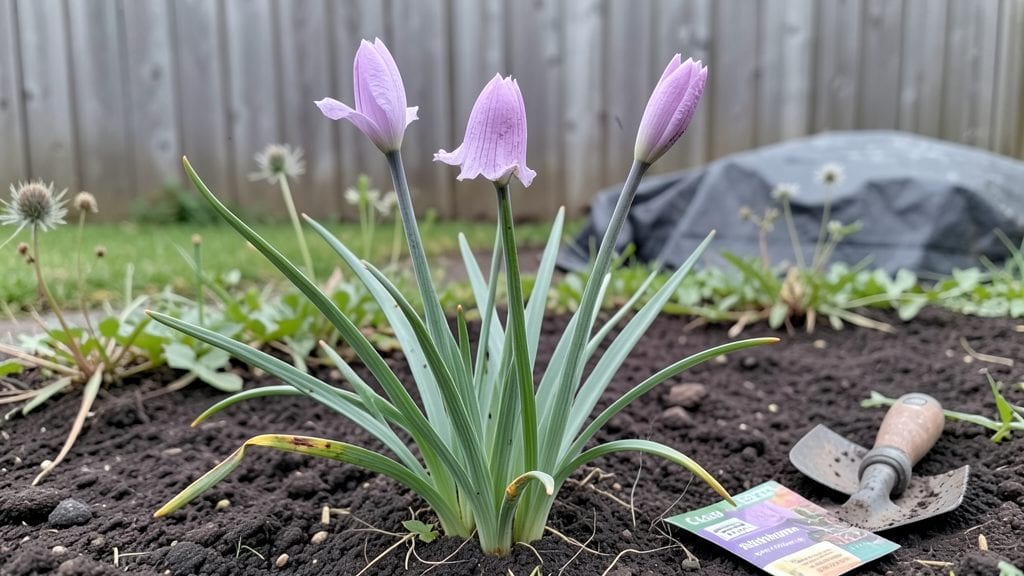
Planting autumn crocus seeds in late summer unlocks spring’s most striking blooms—purple, pink, and white stars that appear when nothing else is blooming. 🌿 I’ve struggled with their finicky nature, but this layered-chill method finally gave me reliable germination.
The secret lies in mimicking their natural cycle: cool soil, consistent moisture, and patience.
You’ll need fresh seeds (not dried out), well-draining soil mix, and a spot with partial shade. Most gardeners overlook the 30-45 day cold stratification—this is where the magic happens.
I plant mine in September when soil temps hit 60°F, then protect them with a light mulch until spring. The key is keeping them moist but not soggy.
By early spring, you’ll see those first deep green shoots breaking through—thin and delicate, but determined. The blooms arrive later, but the wait is worth it: 3-4 inch flowers that defy frost. The plants multiply over time, creating naturalized drifts that come back year after year with almost no effort.
Here’s where most people trip up: autumn crocus isn’t your typical crocus. It’s a Colchicum, so don’t confuse it with spring-blooming Crocus varieties. The leaves appear in spring but die back by summer, while the flowers emerge in late fall or early winter.
Once you get the timing right, these seeds become the easiest way to fill your garden with early color.
📚 In This Guide
- What you need
- Instructions
- Tips and common mistakes
- Wrapping up and next steps
What you need
- ● Autumn crocus seeds – 100-200 seeds (adjust based on desired coverage; 100 seeds ≈ 1 sq. ft. for scattered planting).
- ● Well-draining potting mix – 1-2 gallons (use a blend of 50% peat moss, 30% perlite, and 20% coarse sand for optimal aeration).
- ● Seed trays or shallow containers – 2-4 trays (with drainage holes; 10"x20" trays work well for bulk planting).
- ● Plastic wrap or clear lid – To create a humidity dome (or a spray bottle for misting).
- ● Labeled plant tags or markers – For tracking seed varieties (especially if mixing types).
- ● Cold stratification setup – Refrigerator (35–40°F) or outdoor cold frame (for 6–8 weeks).
- ● Garden trowel or small shovel – For transplanting seedlings (if outdoors).
- ● Grow lights – For indoor stratification if natural light is limited.
- ● Seedling heat mat – Speeds up germination (70–75°F ideal).
- ● Compost or worm castings – 1 tbsp per gallon of mix for nutrient boost.
- ● Fungicide (neem oil or copper-based) – Prevents damping-off disease.
- ● Garden gloves – Protects hands from sharp soil particles.
Step-by-step instructions for planting autumn crocus seeds
Here's the precise method I've used to coax vibrant spring blooms from tiny autumn-planted seeds.
🌱 Step 1: Prepare the Planting Site for Fall Conditions
Autumn crocus seeds need cool soil temperatures (50-60°F) to break dormancy, so wait until late September or October when daytime highs drop below 70°F. Choose a well-draining location with 6+ hours of sunlight daily—partial shade works but delays blooming. Loosen the top 4 inches of soil with a trowel to create a loose, crumbly texture that encourages root penetration.
I always mix in a handful of compost at this stage to provide nutrients without overwhelming the tiny seeds. The key is gentle—avoid compacting the soil, which can smother emerging roots. You'll know the site is ready when the soil crumbles easily between your fingers and has no large clumps.
🌿 Step 2: Sow Seeds at the Correct Depth and Spacing
Scatter seeds ¼ inch deep—any deeper and they'll struggle to reach light, while shallower planting risks drying out. Space them 2-3 inches apart to allow room for future foliage growth. I like to use a small spoon to create shallow furrows for larger batches, then sprinkle seeds along the line before covering lightly with soil.
Don't worry about perfect rows—autumn crocus thrives in naturalistic plantings. After sowing, water gently with a fine spray nozzle until the soil surface looks uniformly damp but not soggy. The goal is to moisten without displacing seeds. You'll see tiny green shoots emerge within 3-4 weeks, but don't be surprised if germination takes longer in colder climates.
⏰ Step 3: Provide Winter Protection and Spring Care
Once seeds are planted, let nature take over—no need for winter mulch or additional watering. The seeds will remain dormant through winter's chill, which is essential for breaking their natural dormancy cycle. In early spring, when first true leaves appear (around March in most zones), you'll notice delicate, grass-like foliage emerging.
At this stage, water lightly whenever the top 1 inch of soil feels dry, keeping the area consistently moist but never waterlogged. You'll see the first blooms appear in late spring (April-May), typically 6-8 months after sowing. The blooms may look modest at first, but each year the plants multiply and produce more dramatic displays.
✂️ Step 4: Maintain and Encourage Future Blooms
After flowering, allow the foliage to die back naturally—this process stores energy in the bulbs for next year's blooms. In late summer, after the leaves turn brown, cut them back to 1 inch above ground level to tidy the area while leaving enough leaf material to photosynthesize until frost.
I've found that autumn crocus performs best with minimal intervention. Over time, the plants will naturalize and spread, creating stunning carpets of purple, white, or yellow blooms each spring. The secret is patience—the first year may be sparse, but by year three, you'll have a thriving display that returns reliably every season.
Tips & tricks for perfect autumn crocus planting
Mastering autumn crocus planting is all about understanding nature's timing and soil conditions—here's how to get it right the first time.
Soil Temperature Timing: The 50-60°F soil temperature window is non-negotiable for breaking dormancy. I've learned the hard way that planting too early (when soils are still warm) or too late (after first frosts) both result in poor germination. Use a soil thermometer to confirm temperatures before planting—this small investment prevents months of disappointment. The 70°F daytime high threshold is your upper limit for planting timing, not just soil temperature.
Depth and Spacing Precision: That ¼-inch depth might seem shallow, but it's crucial—any deeper and seeds won't reach light, while shallower planting risks drying out. For spacing, think of it like planting clover: 2-3 inches apart gives roots room to establish without competing. I use a small spoon to create shallow furrows because it gives me better control than just scattering seeds directly. This method also helps me visualize the spacing more clearly.
Winter Dormancy Strategy: The most counterintuitive part is doing nothing during winter! Resist the urge to mulch or water—autumn crocus seeds need that cold period to break dormancy naturally. In fact, I've seen better results when winter temperatures drop below freezing for at least 3-4 weeks. This cold stratification mimics their natural growing cycle in mountainous regions. The first true leaves appearing in March is your cue that dormancy has broken successfully.
Spring Watering Technique: When those first leaves emerge, watering becomes critical. The top 1 inch of soil should stay consistently moist but never soggy—think of it like keeping a damp sponge, not a dripping one. I've found that watering in the morning gives the soil time to dry slightly during the day, preventing fungal issues. The 6-8 month timeline to blooming might seem long, but this gradual development builds stronger root systems that produce more dramatic displays each subsequent year.
Pro Tips for Autumn Crocus Seeds
- Mastering autumn crocus planting is all about understanding nature's timing and soil conditions—here's how to get it right the first time.
- Soil Temperature Timing: The 50-60°F soil temperature window is non-negotiable for breaking dormancy.
- Depth and Spacing Precision: That ¼-inch depth might seem shallow, but it's crucial—any deeper and seeds won't reach light, while shallower planting risks drying out.
Frequently asked questions
Got questions about growing autumn crocus seeds? You’re not alone!
Here are answers to the most common queries—so you can confidently plant and prep for those stunning spring blooms.
When is the best time to plant autumn crocus seeds?
Plant seeds as soon as possible after harvest—ideally in early to mid-fall (September–October). Autumn crocuses thrive with a cold stratification period, so don’t wait until spring! If you miss the window, store seeds in a cool, dry place and plant in late fall before the ground freezes.
Do autumn crocus seeds need a cold period to germinate?
Absolutely!
These seeds require vernalization (a cold treatment) to break dormancy. Plant them outdoors in fall, or mimic winter by refrigerating seeds in moist peat for 4–6 weeks at 35–40°F (2–4°C) before sowing. Without this step, germination may fail or take much longer.
Can I grow autumn crocus seeds indoors?
Yes, but it’s tricky! Start seeds in pots with well-draining soil, keep them in a cool (40–50°F/4–10°C) spot (like a fridge), and expose them to bright, indirect light for 12–14 hours daily. Transplant outdoors after the last frost—they won’t bloom indoors!
What if my autumn crocus seeds don’t sprout?
Don’t panic! Common reasons include:
- Improper timing: Seeds need fall planting or cold stratification.
- Poor soil: Ensure it’s loamy, well-draining, and amended with compost.
- Depth issues: Plant seeds only ½ inch deep—they need light to germinate.
- Patience: Germination can take 2–4 weeks (or even longer).
Are autumn crocus seeds toxic like the bulbs?
Yes, but only after sprouting!
The seeds themselves are non-toxic, but all parts of the plant (including bulbs and foliage) contain colchicine, which is poisonous if ingested. Wear gloves when handling, and keep pets/kids away until blooms fade. Always dispose of plant debris carefully.
Wrapping up and next steps
Growing autumn crocus seeds is a rewarding way to welcome vibrant spring blooms with minimal effort—just layer them, chill, and let nature do the rest! 🌱 By following the right steps, you’ll soon enjoy those striking purple, white, or yellow flowers brightening your garden.
Now that you’re armed with the knowledge, why not give it a try this fall? Grab those seeds, prep your containers, and take the first step toward a stunning spring display.
Next up: Mark your calendar for planting and watch as your patience pays off with a burst of color! 🌸