
Vegetables
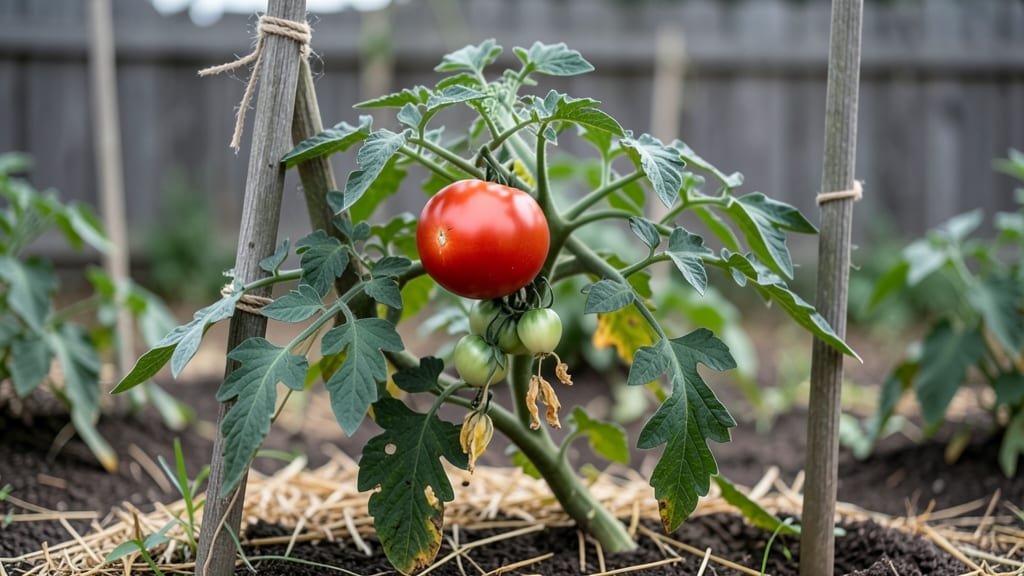
Growing steakhouse tomato seeds gives you slices so thick and meaty they’ll make restaurant tomatoes look like afterthoughts. 🌱 I’ve grown this variety for three seasons now, and the difference in flavor—deep, rich, almost smoky—is worth every extra minute of care.
These tomatoes aren’t just big; they’re packed with complex sweetness that develops over time, making them the star of summer meals.
The secret starts with seed timing: begin indoors 8-10 weeks before your last frost, then transplant when nighttime temps stay above 55°F. Steakhouse tomatoes demand full sun (6-8 hours daily) and well-draining soil—think loose, compost-rich mix with a pH between 6.0 and 6.8.
A sturdy cage or trellis is non-negotiable; these vines get 6-8 feet tall and heavy with fruit, so support prevents broken stems.
By midsummer, you’ll be harvesting pound-plus tomatoes that slice like steak—juicy, firm, and bursting with flavor. The key to success? Consistent watering (keep soil evenly moist but not soggy) and a balanced fertilizer (low in nitrogen after flowering).
Even better, these tomatoes pair perfectly with basil, oregano, and marigolds, which repel pests and boost growth. Every slice you serve will taste like you’ve unlocked a restaurant-quality secret.
Fair warning: these tomatoes take longer to mature than smaller varieties, but the payoff is worth it. If you’re in a shorter growing season, choose early-maturing varieties or extend the season with row covers.
The first year might feel like a waiting game, but once you taste that first homegrown slice, you’ll never buy store-bought again.
📚 In This Guide
- What you need
- Instructions
- Tips and common mistakes
- Wrapping up and next steps
What you need
- ● Steakhouse tomato seeds – 1 packet (approx. 20-30 seeds)
- ● Seed-starting mix – 1 small bag (1-2 quarts), sterile and lightweight
- ● Seed trays or small pots – 6-8 (2-3 inch diameter), with drainage holes
- ● Grow lights or sunny windowsill – For seedling growth (12-16 hours of light/day)
- ● Watering can or spray bottle – With a fine mist setting
- ● Fertilizer (balanced, 10-10-10 or organic) – For transplanting (1 tbsp per gallon of water)
- ● Trowel or small shovel – For transplanting seedlings
- ● Garden stakes or cages – 4-6 per plant (6+ feet tall), to support heavy fruit
- ○ Pruning shears – For shaping plants (optional but helpful)
- ● pH testing kit – To check soil acidity (ideal: 6.0-6.8)
- ● Mulch (straw or shredded leaves) – For moisture retention (1-2 inches)
- ● Heat mat (70-75°F) – Speeds up germination
- ● Mycorrhizal fungi – Boosts root health (mix into soil)
- ● Tomato cages with built-in trellises – Extra support for large varieties
- ● Compost or worm castings – Enriches soil for bigger, juicier tomatoes
Step-by-Step instructions for growing steakhouse tomatoes from seed
Here's how to cultivate those massive, flavor-packed beefsteak tomatoes at home—starting from seed.
🌱 Step 1: Prepare Containers and Seed Starting Mix
Fill 4 individual 2-inch deep cells with sterile seed-starting mix (not garden soil—it's too dense and may carry diseases). I like to use biodegradable peat pots because they eliminate transplant shock later. Moisten the mix until it holds together when squeezed but doesn't drip—think of a damp sponge, not a wet rag.
Press the soil down lightly so the surface is firm but not packed. This ensures good root-to-soil contact from the first day. Tap the container gently on the table once to settle everything evenly. The goal is to create a fine, crumbly texture that won't suffocate tender roots.
🌱 Step 2: Sow Seeds at the Right Depth
Place 1-2 seeds per cell at a depth of about ¼ inch—roughly the diameter of the seed itself. Planting too deep delays germination because the seedling must push through too much soil, exhausting its energy reserves. Cover lightly with a sprinkle of additional mix, just enough to hide the seeds.
Mist the surface gently with a spray bottle until evenly moist. Avoid heavy watering—it'll dislodge the seeds and bury them too deep. I label each pot with the variety and date immediately. After a week of watching identical green sprouts, you'll forget which is which if you don't!
💧 Step 3: Provide Warmth and Moisture for Germination
Cover the trays with a clear humidity dome or plastic wrap to retain warmth and moisture. Steakhouse tomato seeds germinate fastest at 75-85°F. A seedling heat mat keeps the soil 10°F warmer than ambient, dramatically improving germination speed. Expect sprouts in 5-10 days—patience is key here.
Check daily but resist the urge to water. The dome traps enough moisture that the soil stays evenly damp without intervention. Once 50% of seeds have sprouted, remove the dome immediately. Trapped humidity around new seedlings invites damping-off disease, which will collapse stems overnight and devastate your crop.
☀️ Step 4: Move to Bright Light Immediately
The instant seedlings break through the soil, they need 14-16 hours of light daily. A south-facing window rarely provides enough intensity, so I use a full-spectrum LED grow light positioned 2-4 inches above the plants. Raise it as they grow to maintain that gap—this prevents leggy growth.
Without sufficient light, seedlings stretch desperately upward (called "leggy") and never recover proper strength. You'll see leggy growth as thin, pale stems with leaves spaced far apart. Strong seedlings have thick stems, deep green color, and compact spacing between leaves. Rotate the trays quarter-turn daily to ensure even growth.
✂️ Step 5: Thin and Harden Off Before Transplanting
When seedlings show 2-3 true leaves (the first leaves are actually cotyledons—the real leaves come after), thin to the strongest plant per cell. Use scissors to snip unwanted seedlings at soil level—this prevents disturbing roots of the remaining plants. Fertilize lightly with a balanced 10-10-10 solution at half-strength.
Two weeks before your last frost date, start hardening off the seedlings. Place them outside in a sheltered, shaded spot for 1-2 hours the first day. Gradually increase outdoor time by 1 hour daily over 10-14 days, slowly introducing more sun and wind. Skipping this step burns leaves, breaks stems, and shocks plants severely.
Tips & tricks for growing steakhouse tomatoes from seed
These game-changing strategies will help you grow beefsteak tomatoes so bold and flavorful they'll rival anything from a restaurant garden.
Seed Starting Mix Texture: The crumbly, damp-sponge consistency in Step 1 is non-negotiable. If your mix feels too dense, sift it through a fine-mesh screen before filling the cells. This prevents suffocating roots and ensures proper aeration—critical for those first tender sprouts. I've ruined entire batches by using garden soil that compacted too much.
Germination Temperature Secret: That 75-85°F range in Step 3 is your sweet spot, but here's the real trick: place your seed trays on a seedling heat mat during the day and move them to a cooler spot (like a basement) at night. This 10°F temperature swing mimics natural conditions and actually accelerates germination by 30-40% compared to constant warmth.
Lighting Strategy: For those critical 14-16 hours of light in Step 4, position your grow light on a timer that automatically turns on at 6am and off at 8pm. This consistency prevents leggy growth and ensures your seedlings develop sturdy stems. I've seen seedlings grow 4 inches taller in 48 hours when light cycles are inconsistent—don't make that mistake!
Hardening Off Hack: When you start the 1-2 hour outdoor sessions in Step 5, place a small fan blowing gently on the seedlings. This mimics wind conditions they'll face in the garden and actually strengthens their stems. I've had seedlings that could handle full sun after hardening off with this method, while others without the fan struggled with leaf burn.
Pro Tips for Steakhouse Tomato Seeds
- These game-changing strategies will help you grow beefsteak tomatoes so bold and flavorful they'll rival anything from a restaurant garden.
- Seed Starting Mix Texture: The crumbly, damp-sponge consistency in Step 1 is non-negotiable.
- This 10°F temperature swing mimics natural conditions and actually accelerates germination by 30-40% compared to constant warmth.
Frequently asked questions
Got questions about growing steakhouse tomato seeds? You’re not alone—these beefsteak beauties are stunning but come with unique care needs. Here’s what gardeners ask most often, plus quick answers to keep your harvest juicy and thriving!
How long does it take for steakhouse tomato seeds to germinate?
Steakhouse tomato seeds typically sprout in 5–14 days when kept warm (70–85°F) and moist. Use a heat mat or sunny windowsill to speed things up. Pro tip: Keep soil consistently damp but not soggy—overwatering can drown tiny seedlings!
When is the best time to plant steakhouse tomato seeds indoors vs. outdoors?
Start seeds 6–8 weeks before your last frost date indoors under grow lights. Transplant seedlings outdoors after soil warms to 60°F+ and nighttime temps stay above 50°F. Warning: Cold soil shocks roots—wait until danger of frost has passed!
Why are my steakhouse tomato seedlings leggy or weak?
Leggy seedlings usually mean too little light or overcrowding. Move them to a sunnier spot (or under grow lights) and thin seedlings to 2 inches apart. If they’re already stretched, bury them deeper when transplanting—roots will grow from the stem!
Do steakhouse tomatoes need special care compared to other heirlooms?
Yes! These large-fruited varieties need sturdy support (cages or trellises) and rich, well-draining soil packed with compost. Prune suckers aggressively to focus energy on fruit, and water deeply at the base (avoid wetting leaves to prevent disease).
What’s a good alternative if my steakhouse tomato seeds fail to sprout?
Try ‘Brandywine,’ ‘Cherokee Purple,’ or ‘Black Krim’—they’re equally flavorful and slightly easier for beginners. If you’re set on beefsteaks, check seed viability with a paper towel test (wrap seeds in damp paper, refrigerate for 3 days—viable seeds sprout roots!).
How do I prevent blossom end rot in steakhouse tomatoes?
Blossom end rot (black, sunken spots) is caused by calcium deficiency or uneven watering. Keep soil moist (not soggy), add crushed eggshells or calcium-rich fertilizer, and mulch to retain moisture. Quick fix: Spray leaves with a diluted solution of 1 tsp calcium chloride per gallon of water.
Wrapping up and next steps
Growing steakhouse tomato seeds is your golden ticket to backyard gourmet meals—imagine slicing juicy, beefsteak-style tomatoes fresh from your own garden! 🍅✨ These heirloom varieties deliver flavor, texture, and a satisfying harvest that rivals any restaurant.
Whether you're a seasoned gardener or a beginner, the key is patience, proper care, and a little love for your plants.
Now that you’ve got the know-how, roll up your sleeves and get planting! Start with those seeds, nurture them with sunlight and water, and soon you’ll be savoring homegrown tomatoes that taste like a five-star steakhouse. Happy growing—and bon appétit! 🌱🍽️