
Lawn
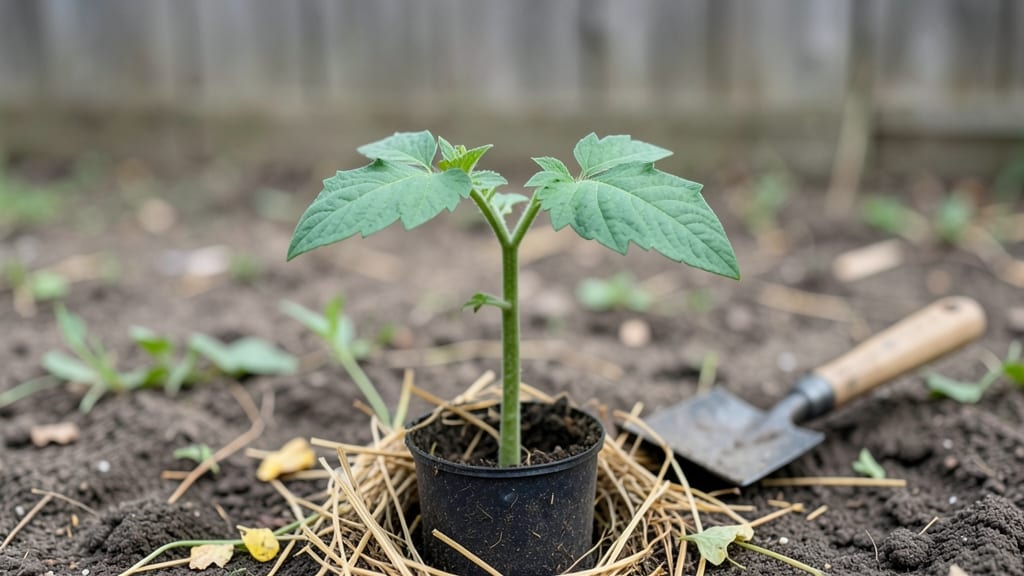
Weather for seed planting requires temperatures between 50–70°F for optimal germination, steady moisture levels, and protection from frost or extreme dryness. Align your planting schedule with your USDA hardiness zone and last frost dates to maximize seedling success.
Getting the timing right is everything when you're planting seeds—too early, and frost will kill them; too late, and heat stress can stunt growth. 🌱 Most seeds need that 50–70°F soil temperature range to sprout properly, but some, like beans or corn, prefer warmer conditions.
I always check my local USDA zone map and last frost date to avoid common mistakes, like planting cool-season crops too late or warm-season seeds before the soil warms up. Even a few degrees can make the difference between thriving seedlings and wasted effort.
Another key factor is moisture—seeds need consistent dampness to germinate, but too much water can cause rot. In dry climates, I use mulch to retain moisture, while in humid areas, I ensure proper drainage to prevent waterlogging.
Wind can also be a silent killer for delicate seedlings, so I often plant in sheltered spots or use temporary windbreaks until they're established.
💡 In This Article
- How Climate Zones Affect Seed Planting Timing
- Best Weather Conditions for Different Seed Types
How climate zones affect seed planting timing
The USDA hardiness zone system divides the country into 13 zones based on average minimum winter temperatures, which directly impacts when you can safely plant seeds.
For example, Zone 3 (like Minnesota or northern Canada) has average winter lows of -40°F to -30°F, meaning the growing season starts much later than in Zone 10 (southern Florida or California), where winters rarely drop below 30°F. This 10-week difference in frost-free periods explains why tomatoes thrive in Zone 9 by April but need to wait until June in Zone 5.
Soil temperature is the real game-changer for germination. Most seeds need soil to reach 50–70°F—a range that arrives weeks apart across zones. In Zone 7 (like Atlanta or Kansas City), soil hits 50°F by early March, while Zone 3 gardeners often wait until late May.
Even within a zone, elevation matters: A mountain garden in Zone 6 may have a 2-week shorter growing season than a valley just 50 miles away. 🌡️
Last frost dates—calculated using historical data—are your planting deadline. The National Oceanic and Atmospheric Administration (NOAA) tracks these, but local variations exist. Urban areas (like Chicago) can be 3–5°F warmer than rural zones due to the "heat island" effect, creating microclimates where seeds germinate earlier.
Conversely, coastal zones (like San Francisco) may have cooler summers, delaying warm-season crops like peppers until July.
Microclimates also explain why your neighbor’s garden succeeds while yours struggles. A south-facing wall can add 10°F of warmth to soil, while a north-facing slope stays cooler. Shade from trees might delay soil warming by 2 weeks compared to open ground.
These nuances mean checking local weather stations (not just zone maps) is critical—especially for heat-sensitive crops like lettuce or frost-tender basil.
Wind patterns further complicate timing. High-altitude zones (like Denver in Zone 5) experience stronger winds that dry soil faster, requiring earlier planting to compensate. Meanwhile, humid zones (like Louisiana) may need delayed planting to avoid fungal diseases in overly wet soil.
The key is balancing soil warmth, moisture, and wind protection—a puzzle that changes yearly with climate shifts.
Pro tip: Use a soil thermometer to verify temperatures—zone maps are a starting point, but real-world conditions dictate success. I’ve seen Zone 6 gardeners plant peas in March only to have frost kill them, while others in the same zone succeed by waiting until April.
The difference? A 5°F soil temperature swing that zone maps don’t capture.